Original price was: ₨ 10,500.₨ 9,500Current price is: ₨ 9,500.
The Robust Membrane Sheet is a premium waterproofing solution designed for durability and long-lasting performance. Ideal for roofs, basements, and industrial applications, this sheet offers exceptional resistance to moisture, heat, and chemicals, ensuring reliable protection for any structure.
Bitumen Membrane Sheets: Comprehensive Technical Guide
Bitumen membrane sheets are one of the most widely used and reliable waterproofing solutions in modern construction. Designed to prevent water ingress, they protect structures from moisture, leakage, and environmental damage. These sheets are particularly effective for roofs, basements, terraces, water tanks, retaining walls, and other critical structural areas. In addition to their waterproofing function, polymer-modified bitumen membranes provide flexibility, durability, and resistance to extreme weather conditions, making them suitable for both residential and industrial applications.
1. Introduction to Bitumen Membrane Sheets
Bitumen membrane sheets are factory-manufactured, roll-type waterproofing materials consisting primarily of bitumen, which is reinforced with polymers and other materials to improve its performance. The sheets create a continuous barrier against water and moisture, significantly reducing the risk of leaks, structural damage, and mold growth.
Key Components of Bitumen Membrane Sheets:
-
Bitumen Base: Provides the primary waterproofing function. It is a viscous, sticky substance derived from petroleum, known for its impermeability to water.
-
Polymer Modification: Polymers like APP (Atactic Polypropylene) or SBS (Styrene-Butadiene-Styrene) are added to the bitumen to enhance elasticity, flexibility, heat resistance, and overall durability.
-
Reinforcement Layer: Typically made of non-woven polyester or fiberglass mats, this layer provides structural stability, tensile strength, and tear resistance.
-
Surface Finishes: Mineral granules, sand, slate, aluminum foil, or polyethylene (PE) films protect the sheet from ultraviolet radiation, mechanical damage, and assist in proper installation.
Applications of Bitumen Membrane Sheets:
-
Flat and sloped roofs
-
Terraces and balconies
-
Basements and underground structures
-
Water tanks and reservoirs
-
Retaining walls and foundation structures
-
Inverted roof systems and green roofs
Bitumen membranes are a preferred solution due to their proven reliability, ease of installation, and ability to accommodate structural movements caused by temperature fluctuations or settling.
2. Types of Bitumen Membrane Sheets
Bitumen membrane sheets are classified based on polymer modification, reinforcement type, and surface finish. Choosing the right type depends on environmental conditions, structural requirements, and budget.
2.1 Polymer-Modified Bitumen Sheets
APP (Atactic Polypropylene) Membranes:
-
Thermoplastic in nature
-
Resistant to high temperatures
-
Ideal for exposed roof applications in hot climates
-
High UV resistance
SBS (Styrene-Butadiene-Styrene) Membranes:
-
Elastomeric and flexible
-
Performs well at low temperatures
-
Suitable for areas with structural movements
-
High elasticity reduces cracking risks
2.2 Reinforcement Types
Non-Woven Polyester Reinforcement:
-
Lightweight and flexible
-
Provides excellent tensile strength
-
Prevents tearing during installation
Fiberglass Reinforcement:
-
Provides high dimensional stability
-
Stronger and more rigid compared to polyester
-
Suitable for heavy-duty applications
Composite Reinforcement:
-
Combination of polyester and fiberglass
-
Offers a balance between flexibility and strength
2.3 Surface Finish Types
Mineral Granules:
-
Protect the sheet from UV radiation and heat
-
Adds durability for exposed applications
Sand Surface:
-
Helps torching during installation
-
Provides slight protection against minor abrasion
Aluminum Foil:
-
Reflective surface reduces heat absorption
-
Suitable for areas with high solar exposure
PE Film or Burn-Off Film:
-
Facilitates easier application
-
Prevents the sheet from sticking during storage and transport
3. Technical Specifications
A high-quality bitumen membrane sheet has measurable parameters that define its performance. These specifications ensure that the sheet provides long-term waterproofing and structural protection.
3.1 Thickness and Roll Dimensions
-
Standard Thickness: 3 mm for moderate applications; 4 mm for heavy-duty or exposed roofs
-
Roll Width: 1 m (most common); some manufacturers provide 0.75 m or 1.2 m
-
Roll Length: 8–10 m; depending on type and application
3.2 Mechanical Properties
-
Tensile Strength: 450–600 N/50 mm; ensures resistance to stretching and mechanical stress
-
Elongation at Break: ~40%; indicates the sheet’s flexibility and ability to accommodate structural movement
-
Tear Strength: 350–500 N; prevents damage during installation and in service
-
Dimensional Stability: ≤0.25%; ensures that the sheet does not shrink or deform significantly
3.3 Temperature Performance
-
Low-Temperature Flexibility: 0°C to −15°C depending on polymer type; prevents cracking in cold weather
-
High-Temperature Flow Resistance: ≥120°C for APP-modified sheets; prevents softening in hot climates
3.4 Water Resistance
-
Watertightness Under Pressure: ≥60 kPa; ensures the sheet can withstand water pressure without leakage
-
Water Vapor Permeability: Non-permeable sheets prevent moisture migration through the membrane
3.5 Installation Properties
-
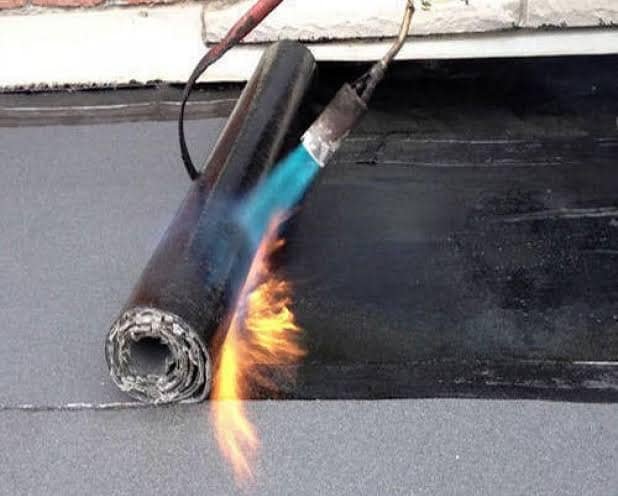
Torch-On Membranes: Heat the underside to adhere to the substrate; requires skilled labor
-
Self-Adhesive Membranes: Peel-and-stick installation; suitable for sensitive areas or interior applications
-
Heat-Weld Membranes: Use hot air welding for seams; ensures permanent bonding
4. Installation Process
The installation process is critical for the performance and longevity of bitumen membrane sheets. Poor installation can lead to leaks, early failure, and structural damage.
4.1 Substrate Preparation
-
Ensure the substrate is clean, dry, smooth, and free of dust, grease, or loose particles
-
Apply a suitable primer to enhance adhesion
-
Ensure horizontal surfaces have proper slope for drainage (1.5–2% recommended)
4.2 Membrane Laying
-
Roll out the membrane along the desired direction
-
Overlaps: side overlaps 60–80 mm, end overlaps 100 mm or more
-
Stagger cross joints to prevent continuous seams
-
Torch or adhere the membrane according to manufacturer instructions
4.3 Sealing and Protection
-
Press overlaps firmly to ensure watertight sealing
-
Install flashings around penetrations such as pipes, drains, and chimneys
-
For exposed applications, ensure top finishes are intact for UV protection
-
Protect buried or inverted membranes with insulation boards or protective layers
4.4 Safety Considerations
-
Torch-on installation requires flame safety measures
-
Ensure proper ventilation during installation
-
Use personal protective equipment (gloves, goggles, flame-retardant clothing)
5. Applications
Bitumen membrane sheets are versatile and can be used in various construction scenarios.
5.1 Roof Waterproofing
-
Flat roofs: Provides continuous waterproofing with minimal joints
-
Sloped roofs: Flexible sheets adapt to surface contours
-
Green roofs: Anti-root membranes protect vegetation from penetrating the waterproofing layer
5.2 Basements and Underground Structures
-
Prevents water ingress from soil and groundwater
-
Low vapor permeability protects interiors from dampness
-
Can be combined with drainage layers for additional protection
5.3 Water Tanks and Reservoirs
-
Provides leak-proof lining for potable and non-potable water storage
-
Chemical resistance protects against chlorine, fertilizers, and other common substances
5.4 Terraces and Balconies
-
Protects living spaces from rainwater seepage
-
Can accommodate structural movements and thermal expansion
5.5 Retaining Walls and Foundations
-
Shields concrete structures from hydrostatic pressure and soil moisture
-
Prevents cracks and long-term damage
6. Advantages
-
Continuous Waterproofing: Minimal joints reduce leakage risks
-
High Strength: Reinforced sheets resist punctures, tears, and structural stress
-
Flexible: Accommodates structural movements and temperature fluctuations
-
Durable: Long service life with proper installation
-
UV Resistant: Top finishes protect against sun damage
-
Versatile Applications: Suitable for roofs, terraces, basements, foundations, and water tanks
-
Easy Maintenance: Damaged sections can be repaired locally without affecting the entire structure
7. Limitations
-
Installation Sensitivity: Requires skilled labor for torch-on application
-
Surface Preparation: Poor substrate can compromise adhesion and waterproofing
-
Exposure Considerations: Exposed membranes must have protective surfaces
-
Cost: Higher initial investment compared to simple coatings
-
Environmental Factors: Extreme UV, temperature cycles, and root penetration can affect performance if the sheet is not specified correctly
-
Storage Requirements: Rolls must be stored upright, protected from direct sunlight and moisture
8. Considerations for Hot and Humid Climates
In countries like Pakistan, where high temperatures, intense UV radiation, and heavy seasonal rainfall are common, careful selection of bitumen membrane sheets is essential.
-
Use APP-modified membranes for exposed roofs due to superior heat resistance
-
Provide granular or reflective top finishes to reduce heat absorption and prevent UV degradation
-
Offer self-adhesive sheets for areas where open flame cannot be used safely
-
Ensure complementary chemicals like primers, seam sealants, and termination profiles are supplied
-
Consider anti-root or chemically resistant membranes for gardens, planters, or soil-contact areas
-
Train contractors on proper installation techniques to maximize longevity
9. Maintenance and Inspection
-
Regular inspection of exposed membranes is recommended every 6–12 months
-
Check for cracks, punctures, blisters, or loose overlaps
-
Repair minor damages using compatible bitumen patches or adhesive membranes
-
Ensure drainage systems are functional to prevent water pooling on the surface
-
Avoid walking or heavy loads on exposed membranes without protection
10. Summary
Bitumen membrane sheets are a reliable, durable, and versatile solution for waterproofing in both residential and industrial construction. Their performance depends on careful selection of polymer type, reinforcement, thickness, surface finish, and correct installation. When applied properly, these sheets provide long-term protection against water ingress, structural damage, and environmental factors.
For hot climates and high UV conditions, polymer-modified APP sheets with protective granule finishes are preferred. For areas with structural movement or low temperatures, SBS-modified sheets offer superior elasticity. Proper training, substrate preparation, and adherence to manufacturer specifications ensure optimal performance and longevity.
Overall, bitumen membrane sheets remain one of the most trusted solutions for waterproofing roofs, basements, terraces, water tanks, and retaining walls. Their adaptability, durability, and resistance to environmental stresses make them an essential component in modern construction projects.
Description
Robust Bitumen Membrane Sheets: Comprehensive Technical Guide
The Robust Membrane Sheet is a state-of-the-art waterproofing material engineered for diverse applications. Crafted from high-quality materials, it delivers unparalleled durability and efficiency in protecting structures against water infiltration, heat exposure, and chemical damage.
This membrane sheet is ideal for use in roofing, basements, foundations, tunnels, and industrial settings. Its superior flexibility and tensile strength make it suitable for accommodating structural movements without compromising its waterproofing capabilities. The sheet is resistant to UV rays, extreme temperatures, and environmental pollutants, ensuring optimal performance in harsh conditions.
Easy to install and maintain, the Robust Membrane Sheet is the perfect solution for projects requiring dependable and long-lasting protection. Enhance the structural integrity of your property with this advanced waterproofing product.
Definition & Purpose
Bitumen membrane sheets are factory-made waterproofing materials used to protect buildings from water penetration. They consist of bitumen modified with polymers (like APP or SBS) and reinforced with fabric (polyester, fiberglass, or composite). These sheets are applied on roofs, terraces, basements, retaining walls, and water tanks to provide a continuous, flexible, and durable waterproof barrier.
Key Components:
-
Bitumen: The base material providing water impermeability.
-
Polymer modification (APP or SBS): Enhances flexibility, UV resistance, heat tolerance, and longevity.
-
Reinforcement fabric: Provides tensile strength, dimensional stability, and tear resistance.
-
Surface finish: May include mineral granules, sand, slate chips, or PE film for protection and installation ease.
Application methods: torch-on, self-adhesive, or heat-welded depending on the sheet type and project requirements.
2. Typical Specifications
Thickness and Roll Sizes:
-
Common thickness: 3 mm (standard), 4 mm (heavy-duty or exposed applications)
-
Roll width: 1 m
-
Roll length: 8–10 m
Mechanical Properties:
-
Tensile strength: 450–600 N/50 mm (depends on reinforcement)
-
Elongation at break: ~40%
-
Tear strength: 350–500 N
-
Dimensional stability: ≤0.25%
Temperature Resistance:
-
Low-temperature flexibility: 0 °C to −15 °C depending on polymer type
-
High-temperature flow resistance: ≥120 °C for APP-modified sheets
Water Resistance:
-
Watertight under pressure (≥60 kPa)
-
Non-permeable to water vapor in most reinforced sheets
Reinforcement Types:
-
Non-woven polyester fabric (most common)
-
Fiberglass stabilized mats
-
Polyester-glass composites for high durability
Surface Finishes:
-
Top: mineral granules, sand, slate chips, aluminum foil (for UV and heat protection)
-
Bottom: polyethylene film or torch-on film (to facilitate installation)
3. Installation Guidelines
Substrate Preparation:
-
Clean, dry, smooth, and free of dust, grease, or loose particles.
-
Horizontal surfaces may require a slight slope for drainage.
-
Priming may be needed to ensure adhesion.
Application Method:
-
Torch-on: heat the underside to bond with the substrate.
-
Self-adhesive: peel-and-stick installation without flame.
-
Heat-weld: used in certain specialized projects.
Overlap Recommendations:
-
Side overlaps: 60–80 mm
-
End overlaps: 100 mm or more
-
Stagger cross joints to avoid leaks
Protection Measures:
-
Exposed roofs require mineral granule or slate finish for UV and heat resistance.
-
Buried applications may require additional chemical or root resistance.
4. Advantages
-
Provides continuous waterproofing with minimal joints.
-
Reinforced sheets offer high tensile and tear strength.
-
Durable and flexible under varying temperatures.
-
Suitable for multiple applications: roofs, basements, terraces, retaining walls.
-
Long-standing technology with established standards.
5. Limitations
-
Torch-on installation requires skilled labor and safety precautions.
-
Improper substrate preparation can compromise performance.
-
Exposed sheets require protective surface finishes against UV and heat.
-
Root penetration or soil chemicals may require specialized anti-root membranes.
-
Cost is higher than simple coatings but justified by durability and performance.
6. Recommendations for Hot Climates (like Pakistan)
-
Use APP-modified membranes for exposed roofs due to high heat resistance.
-
Provide top finishes (granules, slate) for UV and solar protection.
-
Offer self-adhesive options in sensitive areas to avoid flame use.
-
Supply complementary products: primers, seam sealants, termination profiles.
-
Ensure proper installation training for contractors to guarantee long-lasting waterproofing.
-
For basements or underground applications, choose sheets with low vapor permeability and soil chemical resistance.
-
Bitumen Membrane Sheets: Comprehensive Technical Guide
Bitumen membrane sheets are one of the most widely used and reliable waterproofing solutions in modern construction. Designed to prevent water ingress, they protect structures from moisture, leakage, and environmental damage. These sheets are particularly effective for roofs, basements, terraces, water tanks, retaining walls, and other critical structural areas. In addition to their waterproofing function, polymer-modified bitumen membranes provide flexibility, durability, and resistance to extreme weather conditions, making them suitable for both residential and industrial applications.
1. Introduction to Bitumen Membrane Sheets
Bitumen membrane sheets are factory-manufactured, roll-type waterproofing materials consisting primarily of bitumen, which is reinforced with polymers and other materials to improve its performance. The sheets create a continuous barrier against water and moisture, significantly reducing the risk of leaks, structural damage, and mold growth.
Key Components of Bitumen Membrane Sheets:
-
Bitumen Base: Provides the primary waterproofing function. It is a viscous, sticky substance derived from petroleum, known for its impermeability to water.
-
Polymer Modification: Polymers like APP (Atactic Polypropylene) or SBS (Styrene-Butadiene-Styrene) are added to the bitumen to enhance elasticity, flexibility, heat resistance, and overall durability.
-
Reinforcement Layer: Typically made of non-woven polyester or fiberglass mats, this layer provides structural stability, tensile strength, and tear resistance.
-
Surface Finishes: Mineral granules, sand, slate, aluminum foil, or polyethylene (PE) films protect the sheet from ultraviolet radiation, mechanical damage, and assist in proper installation.
Applications of Bitumen Membrane Sheets:
-
Flat and sloped roofs
-
Terraces and balconies
-
Basements and underground structures
-
Water tanks and reservoirs
-
Retaining walls and foundation structures
-
Inverted roof systems and green roofs
Bitumen membranes are a preferred solution due to their proven reliability, ease of installation, and ability to accommodate structural movements caused by temperature fluctuations or settling.
2. Types of Bitumen Membrane Sheets
Bitumen membrane sheets are classified based on polymer modification, reinforcement type, and surface finish. Choosing the right type depends on environmental conditions, structural requirements, and budget.
2.1 Polymer-Modified Bitumen Sheets
APP (Atactic Polypropylene) Membranes:
-
Thermoplastic in nature
-
Resistant to high temperatures
-
Ideal for exposed roof applications in hot climates
-
High UV resistance
SBS (Styrene-Butadiene-Styrene) Membranes:
-
Elastomeric and flexible
-
Performs well at low temperatures
-
Suitable for areas with structural movements
-
High elasticity reduces cracking risks
2.2 Reinforcement Types
Non-Woven Polyester Reinforcement:
-
Lightweight and flexible
-
Provides excellent tensile strength
-
Prevents tearing during installation
Fiberglass Reinforcement:
-
Provides high dimensional stability
-
Stronger and more rigid compared to polyester
-
Suitable for heavy-duty applications
Composite Reinforcement:
-
Combination of polyester and fiberglass
-
Offers a balance between flexibility and strength
2.3 Surface Finish Types
Mineral Granules:
-
Protect the sheet from UV radiation and heat
-
Adds durability for exposed applications
Sand Surface:
-
Helps torching during installation
-
Provides slight protection against minor abrasion
Aluminum Foil:
-
Reflective surface reduces heat absorption
-
Suitable for areas with high solar exposure
PE Film or Burn-Off Film:
-
Facilitates easier application
-
Prevents the sheet from sticking during storage and transport
3. Technical Specifications
A high-quality bitumen membrane sheet has measurable parameters that define its performance. These specifications ensure that the sheet provides long-term waterproofing and structural protection.
3.1 Thickness and Roll Dimensions
-
Standard Thickness: 3 mm for moderate applications; 4 mm for heavy-duty or exposed roofs
-
Roll Width: 1 m (most common); some manufacturers provide 0.75 m or 1.2 m
-
Roll Length: 8–10 m; depending on type and application
3.2 Mechanical Properties
-
Tensile Strength: 450–600 N/50 mm; ensures resistance to stretching and mechanical stress
-
Elongation at Break: ~40%; indicates the sheet’s flexibility and ability to accommodate structural movement
-
Tear Strength: 350–500 N; prevents damage during installation and in service
-
Dimensional Stability: ≤0.25%; ensures that the sheet does not shrink or deform significantly
3.3 Temperature Performance
-
Low-Temperature Flexibility: 0°C to −15°C depending on polymer type; prevents cracking in cold weather
-
High-Temperature Flow Resistance: ≥120°C for APP-modified sheets; prevents softening in hot climates
3.4 Water Resistance
-
Watertightness Under Pressure: ≥60 kPa; ensures the sheet can withstand water pressure without leakage
-
Water Vapor Permeability: Non-permeable sheets prevent moisture migration through the membrane
3.5 Installation Properties
-
Torch-On Membranes: Heat the underside to adhere to the substrate; requires skilled labor
-
Self-Adhesive Membranes: Peel-and-stick installation; suitable for sensitive areas or interior applications
-
Heat-Weld Membranes: Use hot air welding for seams; ensures permanent bonding
4. Installation Process
The installation process is critical for the performance and longevity of bitumen membrane sheets. Poor installation can lead to leaks, early failure, and structural damage.
4.1 Substrate Preparation
-
Ensure the substrate is clean, dry, smooth, and free of dust, grease, or loose particles
-
Apply a suitable primer to enhance adhesion
-
Ensure horizontal surfaces have proper slope for drainage (1.5–2% recommended)
4.2 Membrane Laying
-
Roll out the membrane along the desired direction
-
Overlaps: side overlaps 60–80 mm, end overlaps 100 mm or more
-
Stagger cross joints to prevent continuous seams
-
Torch or adhere the membrane according to manufacturer instructions
4.3 Sealing and Protection
-
Press overlaps firmly to ensure watertight sealing
-
Install flashings around penetrations such as pipes, drains, and chimneys
-
For exposed applications, ensure top finishes are intact for UV protection
-
Protect buried or inverted membranes with insulation boards or protective layers
4.4 Safety Considerations
-
Torch-on installation requires flame safety measures
-
Ensure proper ventilation during installation
-
Use personal protective equipment (gloves, goggles, flame-retardant clothing)
5. Applications
Bitumen membrane sheets are versatile and can be used in various construction scenarios.
5.1 Roof Waterproofing
-
Flat roofs: Provides continuous waterproofing with minimal joints
-
Sloped roofs: Flexible sheets adapt to surface contours
-
Green roofs: Anti-root membranes protect vegetation from penetrating the waterproofing layer
5.2 Basements and Underground Structures
-
Prevents water ingress from soil and groundwater
-
Low vapor permeability protects interiors from dampness
-
Can be combined with drainage layers for additional protection
5.3 Water Tanks and Reservoirs
-
Provides leak-proof lining for potable and non-potable water storage
-
Chemical resistance protects against chlorine, fertilizers, and other common substances
5.4 Terraces and Balconies
-
Protects living spaces from rainwater seepage
-
Can accommodate structural movements and thermal expansion
5.5 Retaining Walls and Foundations
-
Shields concrete structures from hydrostatic pressure and soil moisture
-
Prevents cracks and long-term damage
6. Advantages
-
Continuous Waterproofing: Minimal joints reduce leakage risks
-
High Strength: Reinforced sheets resist punctures, tears, and structural stress
-
Flexible: Accommodates structural movements and temperature fluctuations
-
Durable: Long service life with proper installation
-
UV Resistant: Top finishes protect against sun damage
-
Versatile Applications: Suitable for roofs, terraces, basements, foundations, and water tanks
-
Easy Maintenance: Damaged sections can be repaired locally without affecting the entire structure
7. Limitations
-
Installation Sensitivity: Requires skilled labor for torch-on application
-
Surface Preparation: Poor substrate can compromise adhesion and waterproofing
-
Exposure Considerations: Exposed membranes must have protective surfaces
-
Cost: Higher initial investment compared to simple coatings
-
Environmental Factors: Extreme UV, temperature cycles, and root penetration can affect performance if the sheet is not specified correctly
-
Storage Requirements: Rolls must be stored upright, protected from direct sunlight and moisture
8. Considerations for Hot and Humid Climates
In countries like Pakistan, where high temperatures, intense UV radiation, and heavy seasonal rainfall are common, careful selection of bitumen membrane sheets is essential.
-
Use APP-modified membranes for exposed roofs due to superior heat resistance
-
Provide granular or reflective top finishes to reduce heat absorption and prevent UV degradation
-
Offer self-adhesive sheets for areas where open flame cannot be used safely
-
Ensure complementary chemicals like primers, seam sealants, and termination profiles are supplied
-
Consider anti-root or chemically resistant membranes for gardens, planters, or soil-contact areas
-
Train contractors on proper installation techniques to maximize longevity
9. Maintenance and Inspection
-
Regular inspection of exposed membranes is recommended every 6–12 months
-
Check for cracks, punctures, blisters, or loose overlaps
-
Repair minor damages using compatible bitumen patches or adhesive membranes
-
Ensure drainage systems are functional to prevent water pooling on the surface
-
Avoid walking or heavy loads on exposed membranes without protection
10. Summary
Bitumen membrane sheets are a reliable, durable, and versatile solution for waterproofing in both residential and industrial construction. Their performance depends on careful selection of polymer type, reinforcement, thickness, surface finish, and correct installation. When applied properly, these sheets provide long-term protection against water ingress, structural damage, and environmental factors.
For hot climates and high UV conditions, polymer-modified APP sheets with protective granule finishes are preferred. For areas with structural movement or low temperatures, SBS-modified sheets offer superior elasticity. Proper training, substrate preparation, and adherence to manufacturer specifications ensure optimal performance and longevity.
Overall, bitumen membrane sheets remain one of the most trusted solutions for waterproofing roofs, basements, terraces, water tanks, and retaining walls. Their adaptability, durability, and resistance to environmental stresses make them an essential component in modern construction projects.
-
Additional information
| Dimensions | 10 × 1 × 3 cm |
|---|
Related products
-
Sale!
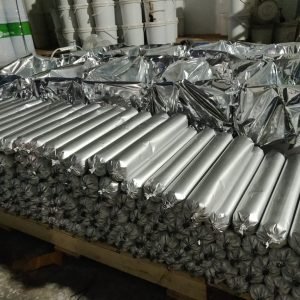
PU Joint Sealant
Original price was: ₨ 2,700.₨ 2,500Current price is: ₨ 2,500. Add to cart -
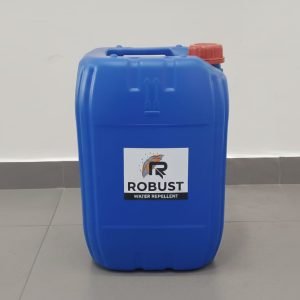
Robust Water Repellent | Best Waterproofing Chemical for Bricks, Walls & Concrete in Pakistan 786
Read more -
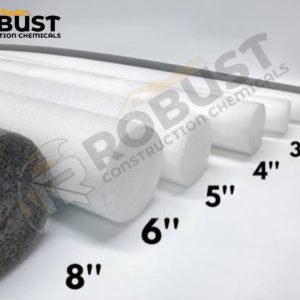
Robust backer rod
Read more -
Sale!

Robust EPS sheet (Thermacol)
Original price was: ₨ 1,600.₨ 1,500Current price is: ₨ 1,500. Add to cart