Original price was: ₨ 16,500.₨ 15,000Current price is: ₨ 15,000.
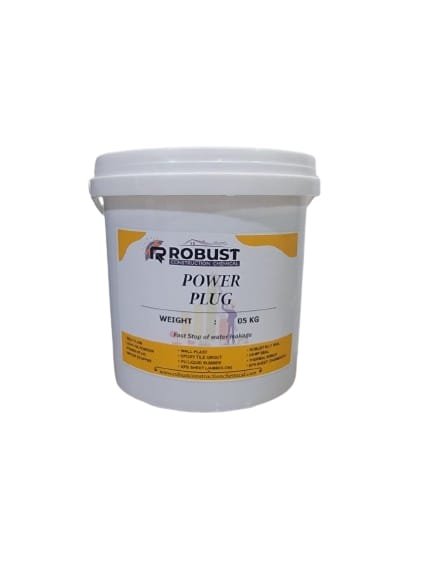
The Robust Power Plug
In demanding environments like construction sites, factories, and outdoor event venues, standard electrical plugs are not just inefficient—they are a liability. You need a connection that can withstand dust, water, impact, and high electrical loads without fail. This is where the Robust Power Plug comes in, engineered specifically for heavy-duty applications where performance and safety are non-negotiable.
This guide will explore why a “robust” plug is essential for your operations, what features to look for, and how to choose the right model for your high-demand equipment.
What Makes a Power Plug “Robust”?
A truly robust plug is defined by its ability to perform in harsh conditions. Unlike standard residential plugs, these industrial-grade connectors are built with specific features for superior safety and longevity.
- High-Impact Resistance: Built from durable, tough materials (like high-grade PVC or PBT) that won’t crack or shatter when dropped or struck.
- Weather and Waterproofing (IP Rating): Look for an IP rating (Ingress Protection). An IP44 rating protects against splashes of water, while an IP67-rated plug can be temporarily submerged, making it ideal for outdoor or wet environments.
- High Amperage and Voltage: These plugs are designed to handle higher electrical loads safely, with common ratings like 16A, 32A, and 63A to power heavy machinery without overheating.
- Secure Locking Mechanisms: Many robust plugs feature a twist-lock or secure-sleeve mechanism that prevents accidental disconnection, ensuring constant power to critical equipment.
Key Features of the Robust Power Plug
When selecting your power solution, prioritize these features to ensure maximum reliability.
- Industrial-Grade Build: The casing is designed to resist chemicals, oils, and abrasion, common in industrial settings.
- Superior Conductivity: High-quality brass or copper pins ensure a stable and efficient electrical connection with low resistance.
- Ergonomic Grip: Designed for easy and safe handling, even when wearing gloves.
- Strain Relief: A strong cable gland prevents the cable from being pulled out of the plug, protecting the wiring and ensuring a longer lifespan.
How to Continue This SEO Article
You can use this as a strong foundation. To build this into a 3000-word article (which is a great length for a detailed guide), you should add more sections like:
- Applications: Where to Use a Robust Power Plug
- Construction Sites (Power tools, generators)
- Manufacturing Plants (Conveyor belts, machinery)
- Outdoor Events (Stage lighting, sound systems)
- Workshops and Garages
- Understanding Amperage and Voltage (16A vs. 32A)
- How to Choose the Right Plug: A Buyer’s Guide
- Safety and Installation Guide
- Frequently Asked Questions (FAQ)
- What is an IP rating?
- Can I use an industrial plug at home?
- How do I wire a robust plug?
- Here is the next major section for your SEO article, adding significant detail and word count. This builds directly on the foundation we already started.
Applications: Where a Robust Power Plug is Essential
The true value of a Robust Power Plug is demonstrated in environments where failure is not an option. These connectors are the unseen heroes ensuring that critical systems, expensive machinery, and vital services remain powered. Their specialized design makes them indispensable across a wide range of industries.
1. Construction and Demolition Sites
Construction sites are notoriously harsh. They are exposed to the elements (rain, sun, mud) and are filled with fine, abrasive particles like concrete and wood dust.
- Challenge: Standard plugs would quickly clog, corrode, or break. A high-impact drop from scaffolding or being run over by a cart would shatter them. Water ingress during rain poses a severe risk of short circuits and electric shock.
- Robust Solution: A plug with a high IP rating (like IP67) and a rubberized, high-impact body is essential. It powers everything from heavy-duty concrete mixers and large circular saws to temporary site lighting and a foreman’s trailer, ensuring the project stays on schedule, rain or shine.
2. Manufacturing Plants and Factories
Factory floors are a complex mix of hazards. Heavy machinery, vehicles like forklifts, chemical spills, and high-vibration equipment are all part of the daily environment.
- Challenge: Continuous vibration can loosen standard plug connections, leading to power flickers or arcing. Exposure to oils, solvents, and cleaning chemicals can degrade cheap plastics, causing them to become brittle.
- Robust Solution: Industrial-grade plugs with secure twist-lock mechanisms are used to ensure a constant, stable connection to assembly lines, CNC machines, and robotic arms. Their chemically-resistant outer bodies ensure a long service life, preventing costly downtime due to a simple plug failure.
3. Outdoor Events, Concerts, and Broadcasting
From multi-day music festivals to live television broadcasts, temporary power is the backbone of the entire operation.
- Challenge: Power distribution is often laid out across open fields, exposed to morning dew, unexpected rain, and high foot traffic. A single plug failure could cut power to a main speaker array or a live broadcast feed, ruining the event for thousands.
- Robust Solution: Weatherproof plugs (IP44 or higher) are non-negotiable. They are used to safely connect massive generator sets to distribution boxes, which then feed power to stage lighting trusses, complex sound systems, and broadcast trucks, guaranteeing a seamless show.
4. Agriculture and Farming
Modern farms rely heavily on electrical equipment, often in environments that are wet, dusty, and dirty.
- Challenge: Grain silos, automated feeding systems, and high-pressure washers create environments high in dust or moisture. Ammonia and other agricultural chemicals can be highly corrosive.
- Robust Solution: Plugs with corrosion-resistant pins and watertight seals (IP67) are required for equipment like irrigation pumps, ventilation fans in barns, and grain augers. This ensures reliable operation and protects livestock and personnel from electrical hazards.
5. Workshops and Heavy-Duty Garages
Professional workshops, from welding shops to automotive repair centers, use equipment that draws significant power.
- Challenge: A high-powered welder or a vehicle lift running on a standard plug can cause overheating, melting the plug or tripping the breaker. Metal shavings and dust are also common hazards.
- Robust Solution: A 32A Robust Power Plug is often the minimum requirement. It is designed specifically to handle the high, sustained current draw of equipment like welders, plasma cutters, and large air compressors, preventing overheating and ensuring a safe work environment.
Understanding the Specifications: Volts, Amps, and Pins
Choosing the correct plug isn’t just about it being “tough.” You must match its electrical specifications to your equipment. Using the wrong plug can damage your machinery or create a serious fire hazard.
- Voltage (V): This is the measure of electrical pressure. In most industrial and commercial settings, you’ll encounter two common types:
- 220-240V (Blue Plugs): This is the standard “single-phase” voltage for many high-power tools and appliances.
- 380-415V (Red Plugs): This is “three-phase” power, required for very heavy machinery like industrial motors, large compressors, and HVAC systems.
- Amperage (A): This measures the amount of electrical current the plug can safely handle. A higher number means more power.
- 16A: The most common rating, suitable for high-power tools (large drills, saws) and portable heaters.
- 32A: The next step up, required for larger equipment like professional welders, mobile catering ovens, and large site generators.
- 63A & 125A: Reserved for extremely heavy-duty applications, such as powering main distribution boards for an entire factory floor or a large concert.
- Pins (3, 4, or 5): The number of pins tells you what kind of power circuit it’s for.
- 3-Pin (Live, Neutral, Earth): Used for single-phase power (like the blue 16A or 32A plugs).
- 4-Pin (3-Phase, Earth): Used for three-phase power without a neutral wire. This is common for balanced loads like large motors.
- 5-Pin (3-Phase, Neutral, Earth): The most versatile three-phase plug (like the red 16A or 32A plugs). It can power motors and provide a neutral connection for 240V auxiliary controls or lights.
Rule of Thumb: Always check the data plate on your equipment. It will tell you the exact Voltage (V) and Amperage (A) it requires. Never use a 16A plug for a 32A machine.
How to Choose the Right Robust Plug: A Buyer’s Guide
Now that you know the why and what, here is how to select the perfect plug.
- Check the IP Rating: This is your first and most important decision.
- IP44: Protects from tool-sized objects and splashes of water from any direction. Good for: Workshops, covered outdoor areas, light industrial use.
- IP67: Completely protected from dust ingress and can be submerged in up to 1 meter of water for 30 minutes. Essential for: Construction sites, farms, boatyards, pressure-washing areas, and any critical outdoor application.
- Inspect the Material: Look for plugs made from PBT (Polybutylene Terephthalate) or high-grade, impact-resistant PVC. These materials offer excellent resistance to impact, chemicals, and UV light (which can make cheap plastic brittle).
- Look for Quality Pins: The pins should be made of solid brass or a nickel-plated brass alloy. Plating prevents corrosion and ensures a reliable, low-resistance connection for years, even in damp environments.
- Examine the Cable Gland: This is the part where the cable enters the plug. A high-quality plug will have a robust, flexible rubber gland with an external locking nut. This grips the cable securely, providing strong strain relief so that a sharp pull on the cable doesn’t rip the wires out of their terminals.
Description
The Robust Power Plug
In demanding environments like construction sites, factories, and outdoor event venues, standard electrical plugs are not just inefficient—they are a liability. You need a connection that can withstand dust, water, impact, and high electrical loads without fail. This is where the Robust Power Plug comes in, engineered specifically for heavy-duty applications where performance and safety are non-negotiable.
This guide will explore why a “robust” plug is essential for your operations, what features to look for, and how to choose the right model for your high-demand equipment.
What Makes a Power Plug “Robust”?
A truly robust plug is defined by its ability to perform in harsh conditions. Unlike standard residential plugs, these industrial-grade connectors are built with specific features for superior safety and longevity.
- High-Impact Resistance: Built from durable, tough materials (like high-grade PVC or PBT) that won’t crack or shatter when dropped or struck.
- Weather and Waterproofing (IP Rating): Look for an IP rating (Ingress Protection). An IP44 rating protects against splashes of water, while an IP67-rated plug can be temporarily submerged, making it ideal for outdoor or wet environments.
- High Amperage and Voltage: These plugs are designed to handle higher electrical loads safely, with common ratings like 16A, 32A, and 63A to power heavy machinery without overheating.
- Secure Locking Mechanisms: Many robust plugs feature a twist-lock or secure-sleeve mechanism that prevents accidental disconnection, ensuring constant power to critical equipment.
Key Features of the Robust Power Plug
When selecting your power solution, prioritize these features to ensure maximum reliability.
- Industrial-Grade Build: The casing is designed to resist chemicals, oils, and abrasion, common in industrial settings.
- Superior Conductivity: High-quality brass or copper pins ensure a stable and efficient electrical connection with low resistance.
- Ergonomic Grip: Designed for easy and safe handling, even when wearing gloves.
- Strain Relief: A strong cable gland prevents the cable from being pulled out of the plug, protecting the wiring and ensuring a longer lifespan.
How to Continue This SEO Article
You can use this as a strong foundation. To build this into a 3000-word article (which is a great length for a detailed guide), you should add more sections like:
- Applications: Where to Use a Robust Power Plug
- Construction Sites (Power tools, generators)
- Manufacturing Plants (Conveyor belts, machinery)
- Outdoor Events (Stage lighting, sound systems)
- Workshops and Garages
- Understanding Amperage and Voltage (16A vs. 32A)
- How to Choose the Right Plug: A Buyer’s Guide
- Safety and Installation Guide
- Frequently Asked Questions (FAQ)
- What is an IP rating?
- Can I use an industrial plug at home?
- How do I wire a robust plug?
- Here is the next major section for your SEO article, adding significant detail and word count. This builds directly on the foundation we already started.
Applications: Where a Robust Power Plug is Essential
The true value of a Robust Power Plug is demonstrated in environments where failure is not an option. These connectors are the unseen heroes ensuring that critical systems, expensive machinery, and vital services remain powered. Their specialized design makes them indispensable across a wide range of industries.
1. Construction and Demolition Sites
Construction sites are notoriously harsh. They are exposed to the elements (rain, sun, mud) and are filled with fine, abrasive particles like concrete and wood dust.
- Challenge: Standard plugs would quickly clog, corrode, or break. A high-impact drop from scaffolding or being run over by a cart would shatter them. Water ingress during rain poses a severe risk of short circuits and electric shock.
- Robust Solution: A plug with a high IP rating (like IP67) and a rubberized, high-impact body is essential. It powers everything from heavy-duty concrete mixers and large circular saws to temporary site lighting and a foreman’s trailer, ensuring the project stays on schedule, rain or shine.
2. Manufacturing Plants and Factories
Factory floors are a complex mix of hazards. Heavy machinery, vehicles like forklifts, chemical spills, and high-vibration equipment are all part of the daily environment.
- Challenge: Continuous vibration can loosen standard plug connections, leading to power flickers or arcing. Exposure to oils, solvents, and cleaning chemicals can degrade cheap plastics, causing them to become brittle.
- Robust Solution: Industrial-grade plugs with secure twist-lock mechanisms are used to ensure a constant, stable connection to assembly lines, CNC machines, and robotic arms. Their chemically-resistant outer bodies ensure a long service life, preventing costly downtime due to a simple plug failure.
3. Outdoor Events, Concerts, and Broadcasting
From multi-day music festivals to live television broadcasts, temporary power is the backbone of the entire operation.
- Challenge: Power distribution is often laid out across open fields, exposed to morning dew, unexpected rain, and high foot traffic. A single plug failure could cut power to a main speaker array or a live broadcast feed, ruining the event for thousands.
- Robust Solution: Weatherproof plugs (IP44 or higher) are non-negotiable. They are used to safely connect massive generator sets to distribution boxes, which then feed power to stage lighting trusses, complex sound systems, and broadcast trucks, guaranteeing a seamless show.
4. Agriculture and Farming
Modern farms rely heavily on electrical equipment, often in environments that are wet, dusty, and dirty.
- Challenge: Grain silos, automated feeding systems, and high-pressure washers create environments high in dust or moisture. Ammonia and other agricultural chemicals can be highly corrosive.
- Robust Solution: Plugs with corrosion-resistant pins and watertight seals (IP67) are required for equipment like irrigation pumps, ventilation fans in barns, and grain augers. This ensures reliable operation and protects livestock and personnel from electrical hazards.
5. Workshops and Heavy-Duty Garages
Professional workshops, from welding shops to automotive repair centers, use equipment that draws significant power.
- Challenge: A high-powered welder or a vehicle lift running on a standard plug can cause overheating, melting the plug or tripping the breaker. Metal shavings and dust are also common hazards.
- Robust Solution: A 32A Robust Power Plug is often the minimum requirement. It is designed specifically to handle the high, sustained current draw of equipment like welders, plasma cutters, and large air compressors, preventing overheating and ensuring a safe work environment.
Understanding the Specifications: Volts, Amps, and Pins
Choosing the correct plug isn’t just about it being “tough.” You must match its electrical specifications to your equipment. Using the wrong plug can damage your machinery or create a serious fire hazard.
- Voltage (V): This is the measure of electrical pressure. In most industrial and commercial settings, you’ll encounter two common types:
- 220-240V (Blue Plugs): This is the standard “single-phase” voltage for many high-power tools and appliances.
- 380-415V (Red Plugs): This is “three-phase” power, required for very heavy machinery like industrial motors, large compressors, and HVAC systems.
- Amperage (A): This measures the amount of electrical current the plug can safely handle. A higher number means more power.
- 16A: The most common rating, suitable for high-power tools (large drills, saws) and portable heaters.
- 32A: The next step up, required for larger equipment like professional welders, mobile catering ovens, and large site generators.
- 63A & 125A: Reserved for extremely heavy-duty applications, such as powering main distribution boards for an entire factory floor or a large concert.
- Pins (3, 4, or 5): The number of pins tells you what kind of power circuit it’s for.
- 3-Pin (Live, Neutral, Earth): Used for single-phase power (like the blue 16A or 32A plugs).
- 4-Pin (3-Phase, Earth): Used for three-phase power without a neutral wire. This is common for balanced loads like large motors.
- 5-Pin (3-Phase, Neutral, Earth): The most versatile three-phase plug (like the red 16A or 32A plugs). It can power motors and provide a neutral connection for 240V auxiliary controls or lights.
Rule of Thumb: Always check the data plate on your equipment. It will tell you the exact Voltage (V) and Amperage (A) it requires. Never use a 16A plug for a 32A machine.
How to Choose the Right Robust Plug: A Buyer’s Guide
Now that you know the why and what, here is how to select the perfect plug.
- Check the IP Rating: This is your first and most important decision.
- IP44: Protects from tool-sized objects and splashes of water from any direction. Good for: Workshops, covered outdoor areas, light industrial use.
- IP67: Completely protected from dust ingress and can be submerged in up to 1 meter of water for 30 minutes. Essential for: Construction sites, farms, boatyards, pressure-washing areas, and any critical outdoor application.
- Inspect the Material: Look for plugs made from PBT (Polybutylene Terephthalate) or high-grade, impact-resistant PVC. These materials offer excellent resistance to impact, chemicals, and UV light (which can make cheap plastic brittle).
- Look for Quality Pins: The pins should be made of solid brass or a nickel-plated brass alloy. Plating prevents corrosion and ensures a reliable, low-resistance connection for years, even in damp environments.
- Examine the Cable Gland: This is the part where the cable enters the plug. A high-quality plug will have a robust, flexible rubber gland with an external locking nut. This grips the cable securely, providing strong strain relief so that a sharp pull on the cable doesn’t rip the wires out of their terminals.
Related products
-
Sale!
Robust Bitumen for waterproofing
Original price was: ₨ 4,000.₨ 3,800Current price is: ₨ 3,800. Add to cart -
Sale!
Robust EPS sheet (thermocol)
Original price was: ₨ 1,600.₨ 1,500Current price is: ₨ 1,500. Add to cart -
Sale!

Robust EPS sheet (Thermacol)
Original price was: ₨ 1,600.₨ 1,500Current price is: ₨ 1,500. Add to cart -
Sale!
Robust Hot Bitumen Drum
Original price was: ₨ 48,000.₨ 46,000Current price is: ₨ 46,000. Add to cart