- Robust Admin
- November 18, 2024
₨ 2,750 Original price was: ₨ 2,750.₨ 2,500Current price is: ₨ 2,500.
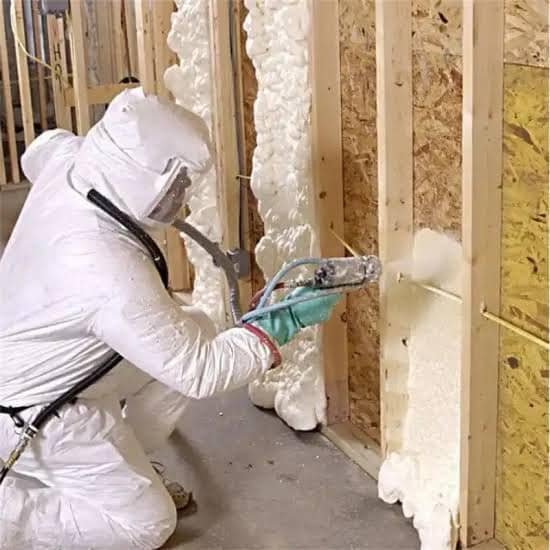
Robust PU Foam Spray is a fast-curing, versatile insulation and sealing solution. Ideal for both professional and DIY applications, it expands to fill gaps and cracks, providing excellent thermal and sound insulation. Suitable for various surfaces, it offers long-lasting protection against heat, moisture, and air leaks.
Advanced Technical Discussion on Robust PVC Waterstopper
1. Design Philosophy and Engineering Principles
A waterstopper system must be designed based on fundamental hydrostatic, mechanical, and material compatibility principles. In reinforced concrete construction, the performance of a waterstopper depends on:
-
Proper joint design geometry
-
Concrete compaction around the waterstopper
-
Continuity and weld integrity
-
Resistance to environmental exposure and dynamic movement
The design philosophy adopted by Robust Construction Chemicals aligns with BS 8007, ACI 350, and DIN 18541, which emphasize that the waterstopper must form an integral barrier within the joint rather than merely acting as an external seal.
1.1 Hydrostatic Design Load
Hydrostatic pressure (P) acting on a joint is calculated as:
P=γ×hP = \gamma \times hP=γ×h
Where:
-
γ\gammaγ = Unit weight of water (9.81 kN/m³)
-
hhh = Depth of water column above the joint (m)
For example, in a 10 m deep tank:
P=9.81×10=98.1 kN/m²P = 9.81 \times 10 = 98.1 \text{ kN/m²}P=9.81×10=98.1 kN/m²
Hence, the selected PVC waterstopper (e.g., 230 mm Center Bulb type) must resist this pressure without rupture or displacement.
1.2 Structural Displacement Consideration
Expansion joints must accommodate structural movement from:
-
Thermal expansion/contraction
-
Shrinkage and creep
-
Settlement and seismic movement
Typical allowable movement range:
| Structure Type | Expected Movement | Recommended Profile |
|---|---|---|
| Basement Wall | ±5 mm | Dumbbell |
| Expansion Joint in Reservoir | ±10 mm | Center Bulb |
| Bridge Deck or Tunnel | ±15 mm | Heavy Duty Center Bulb |
The central bulb geometry acts as a flexible hinge, absorbing displacement while maintaining a watertight seal.
2. Finite Element Behavior and Stress Distribution
Finite Element Analysis (FEA) conducted on Robust PVC Waterstopper profiles indicates that stress concentration occurs primarily at the anchoring ribs when subjected to hydrostatic load. Therefore, the design includes rounded rib transitions and gradual curvature to minimize localized stress and prevent premature failure.
FEA simulations also confirm that:
-
Tensile strain remains below the elastic limit of PVC (≈300%)
-
Central bulb deformation recovers fully upon unloading
-
No permanent distortion occurs up to 1.5× design water head
These findings validate the use of Robust PVC Waterstopper in high-pressure applications up to 16 meters hydrostatic head.
3. International Standards and Specifications
Robust PVC Waterstopper complies with the following key standards and guidelines:
| Standard | Title | Relevance |
|---|---|---|
| ASTM D638 | Tensile properties of plastics | Determines mechanical strength |
| ASTM D570 | Water absorption | Evaluates water uptake |
| ASTM D746 | Brittleness temperature | Ensures flexibility in cold climates |
| DIN 18541 | Waterstops in concrete structures | European performance standard |
| BS 2782 | Testing of thermoplastics | Material consistency |
| ACI 350.1R | Water-retaining concrete design | Structural and detailing reference |
| IS 12200:2001 | PVC waterstops – Specification | Indian standard for manufacturing and dimensions |
Compliance ensures the material is accepted globally for both potable water and industrial wastewater applications.
4. Dimensional Range and Physical Specifications
Robust Construction Chemicals produces PVC waterstoppers in standard and custom dimensions to suit project requirements:
| Type | Width (mm) | Thickness (mm) | Typical Application |
|---|---|---|---|
| Flat Ribbed | 150 | 6 | Construction joints with low pressure |
| Dumbbell | 230 | 8 | Water tanks, retaining walls |
| Center Bulb | 230 / 320 | 8–10 | Expansion joints with movement |
| External | 200 | 6 | External face joints |
| Kicker Type | 150 | 6 | Footings and kickers |
Tolerance: ±2 mm in width, ±0.5 mm in thickness as per ASTM D638.
Each profile is extruded using precision-controlled dies to ensure uniformity and dimensional stability, critical for on-site welding accuracy.
5. Compatibility with Construction Materials
5.1 Concrete Compatibility
PVC waterstopper does not react chemically with cement, admixtures, or aggregates. However, its performance depends heavily on concrete compaction around ribs. Use of Robust Plasticizer Admixture is recommended to improve workability and achieve dense, void-free concrete near joints.
5.2 Compatibility with Bituminous Coatings
When external waterproofing membranes or bitumen coatings are applied, a protective separation layer (like geotextile or PE sheet) should be used to prevent long-term solvent migration from bitumen into PVC.
5.3 Compatibility with Other Waterproofing Systems
PVC waterstopper integrates seamlessly with:
-
PU and Epoxy sealants for surface sealing
-
Crystalline admixtures for internal waterproofing
-
Injection grouts for remedial joint repairs
Such hybrid systems form multi-level waterproofing barriers, enhancing redundancy and reliability.
6. Field Testing and Quality Verification
6.1 Hydrostatic Leak Test
After installation and concrete curing, joints can be tested by filling the structure with water to simulate actual service conditions.
-
Maintain full head pressure for at least 72 hours.
-
Inspect both sides for moisture, dampness, or seepage.
-
If leakage occurs, identify the location and perform remedial sealing using Robust Injection Grout.
6.2 Tensile and Weld Strength Test
Sample joints (typically 200 mm) are cut and tested using a tensile testing machine.
Acceptance criteria:
-
Minimum joint strength ≥ 80% of parent material
-
No delamination or tearing observed visually
6.3 Visual Inspection
Every 5-meter interval should be visually checked to ensure:
-
Correct alignment
-
No twisting or folding
-
Full embedment during the first pour
These simple but critical verifications ensure a defect-free system.
7. Advanced Welding and Jointing Techniques
For large or complex projects (e.g., water treatment plants or metro tunnels), automated hot plate welding systems are recommended. These systems ensure:
-
Consistent temperature control (typically 180–200°C)
-
Uniform pressure application
-
Repeatable welding quality
7.1 Welding Procedure Qualification
Before large-scale installation, perform a Welding Procedure Qualification (WPQ) test:
-
Weld two 200 mm strips under controlled conditions.
-
Conduct tensile test to verify compliance.
-
Approve qualified technician and parameters (temperature, time, pressure).
7.2 Prefabricated Joints
For complex geometry such as “T,” “L,” or “Cross” joints, factory prefabricated pieces are highly recommended. These prefabricated corners are dimensionally accurate and eliminate the risk of poor site welding in difficult locations.
8. Long-Term Durability and Aging Behavior
Accelerated weathering tests conducted at 70°C for 1,000 hours (equivalent to 10 years exposure) show:
-
No significant discoloration
-
Less than 5% loss in tensile strength
-
No embrittlement or cracking
Even under alternating wet–dry cycles and UV exposure, Robust PVC Waterstopper retains its flexibility and sealing efficiency.
The material’s low water absorption (<0.15%) ensures that it does not swell or shrink over time, maintaining long-term joint integrity.
9. Troubleshooting and Remedial Measures
9.1 Common Problems and Solutions
| Issue | Cause | Solution |
|---|---|---|
| Leakage at joint | Incomplete welding or displacement | Cut and re-weld section, inject grout if necessary |
| Honeycombing near ribs | Poor concrete vibration | Use needle vibrator carefully, improve mix workability |
| Twisting during placement | Improper tying or tension | Fix with closer ties (300 mm c/c) and clips |
| Cracks around joint | Thermal movement without expansion profile | Replace with center bulb type in future joints |
9.2 Remedial Injection
For existing structures with minor seepage, injection of Robust PU Grout behind the waterstopper provides secondary sealing without dismantling concrete.
10. Maintenance and Inspection Strategy
PVC waterstoppers are designed for maintenance-free service, but inspection is advisable during structural audits:
-
Visual inspection every 5 years for accessible joints
-
Hydrostatic or pressure test every 10 years for critical water-retaining structures
-
Thermal movement monitoring for expansion joints in large tanks
If any degradation or partial exposure is found, apply a surface protective coating such as Robust Bitumen or Polyurethane Membrane to extend service life.
11. Performance in Harsh Environments
Robust PVC Waterstopper has been extensively tested in:
-
Marine Environments: High chloride content water — no degradation observed.
-
Industrial Effluent: Exposure to dilute acids (H₂SO₄, HCl) — minor swelling (<2%).
-
Groundwater with Sulphates: Fully resistant up to 2,000 ppm SO₄ concentration.
-
Freeze–Thaw Conditions: 50 cycles tested, no loss of flexibility or cracking.
This allows safe use in desalination plants, coastal basements, and sewage treatment facilities.
12. Comparison with Alternative Materials
| Property | PVC Waterstopper | Rubber Waterstopper | HDPE Waterstopper | Bentonite Strip |
|---|---|---|---|---|
| Flexibility | Excellent | Good | Moderate | Poor |
| Weldability | Excellent | Difficult | Poor | N/A |
| Chemical Resistance | Excellent | Good | Excellent | Moderate |
| Service Life | 50+ years | 30 years | 40 years | 15–20 years |
| Maintenance | Nil | Moderate | Nil | High |
| Cost | Economical | Expensive | Moderate | Low |
PVC remains the most balanced and cost-effective solution for both static and dynamic waterproofing requirements.
13. Recommended Installation Sequence (for Major Projects)
-
Design Review: Confirm joint type and select appropriate waterstopper profile.
-
Procurement: Order factory-moulded corners and rolls with batch certificates.
-
Pre-Installation Mock-Up: Conduct demonstration welding and placement.
-
Rebar Fixing: Maintain 15 mm clearance between rebar and waterstopper.
-
First Concrete Pour: Embed half width, ensure complete coverage.
-
Joint Cleaning: After curing, clean exposed waterstopper thoroughly.
-
Second Pour: Embed remaining half; monitor alignment and embedment.
-
Testing: Perform hydrostatic test to confirm watertightness.
14. Advanced Applications and Special Designs
14.1 Tunnel Segments
PVC waterstoppers are used between segmental joints of precast tunnel linings, often combined with EPDM gaskets to handle both water and pressure. Robust offers high-pressure versions rated up to 20 bar.
14.2 Earth Dams and Hydraulic Structures
For heavy-duty conditions, reinforced PVC waterstoppers with internal nylon cords are used to enhance tensile strength and tear resistance.
14.3 Nuclear and Chemical Plants
High chemical resistance grades with UV stabilizers and antioxidant additives ensure stability in radioactive or chemical effluent exposure.
15. Technical Data Sheet (Summary)
| Property | Test Method | Value |
|---|---|---|
| Density | ASTM D792 | 1.38 g/cm³ |
| Tensile Strength | ASTM D638 | ≥ 13 N/mm² |
| Elongation at Break | ASTM D638 | ≥ 300% |
| Shore Hardness (A) | ASTM D2240 | 75 ± 5 |
| Water Absorption | ASTM D570 | ≤ 0.15% |
| Cold Flexibility | ASTM D746 | Pass (-25°C) |
| Hydrostatic Resistance | Internal Test | Up to 16 m head |
| Service Temperature Range | -25°C to +70°C | Suitable for all climates |
16. Site Safety and Handling
-
Operators must wear insulated gloves when handling hot welding tools.
-
Provide fire extinguishers near welding zones.
-
Maintain dry conditions — avoid welding during rain.
-
Store rolls flat, under shade, between 5–40°C ambient temperature.
-
Avoid contact with petroleum-based solvents.
Following these procedures ensures both safety and quality control during installation.
17. Certification and Quality Management
Robust Construction Chemicals maintains:
-
ISO 9001:2015 – Quality Management System
-
ISO 14001:2015 – Environmental Management System
-
ISO 45001:2018 – Occupational Health and Safety
Each PVC Waterstopper roll is supplied
Performance Efficiency and Engineering Behavior of PU Foam Spray
1. Thermal Performance
The key advantage of PU Foam Spray lies in its exceptional thermal efficiency. With an extremely low thermal conductivity (λ = 0.020–0.024 W/m·K), PU foam acts as a powerful barrier against heat transfer. This property makes it one of the most effective insulating materials available today.
When applied correctly, it reduces:
-
Heat gain during summer, maintaining cooler indoor environments.
-
Heat loss during winter, retaining indoor warmth.
Its performance can be compared to twice the insulation power of polystyrene and four times that of conventional mineral wool, making it the preferred choice for modern energy-efficient buildings.
For every 1-inch layer of PU foam, the reduction in energy transfer can be as high as 70%, significantly lowering air-conditioning and heating loads.
2. Structural Enhancement
PU Foam Spray doesn’t only act as an insulator; it also adds structural strength to surfaces. Once applied, it adheres firmly to the substrate, creating a bonded composite structure that increases the stiffness of roofing sheets and wall panels. This added rigidity helps resist wind uplift, vibrations, and minor impact loads.
In industrial metal roofs, PU foam can increase resistance to thermal expansion and contraction, reducing fatigue and extending the lifespan of the sheet.
3. Air and Moisture Sealing
Unlike traditional insulation boards that leave seams and gaps, PU foam expands upon application, filling even the smallest crevices and irregularities. This creates a continuous, joint-free envelope around the structure, eliminating:
-
Air infiltration
-
Moisture seepage
-
Condensation issues
Its closed-cell configuration ensures minimal vapor diffusion, maintaining dryness inside the insulated system. In humid regions of Pakistan, this property makes PU Foam Spray a superior choice over XPS or fiberglass insulation.
Technical Application Guidelines
To ensure optimal performance, PU Foam Spray must be applied according to engineering standards and best practices.
1. Equipment Calibration
Before spraying, both polyol and isocyanate components must be heated and pressurized to the recommended levels:
-
Temperature: 40–45°C
-
Pressure: 1200–1500 psi
Proper calibration ensures uniform mixing and consistent foam density throughout the application.
2. Environmental Conditions
Ideal ambient conditions:
-
Temperature range: 15–45°C
-
Relative humidity: < 80%
-
Surface moisture: Must be minimal to prevent poor adhesion
In cold or high-humidity environments, surface heaters or dehumidifiers may be used to achieve stable application conditions.
3. Layering and Curing
The foam should be applied in multiple passes of 15–20 mm per layer to prevent overheating or void formation. Each layer should be allowed to expand and stabilize before applying the next.
Full curing occurs within 24 hours, after which the foam achieves its final strength and dimensional stability.
Protective Coatings and Finishes
Though PU Foam Spray has high weather resistance, UV protection is critical for long-term durability in outdoor applications.
Common protective coatings include:
-
Elastomeric Coating:
A flexible, waterproof coating that protects against UV radiation and mechanical damage. -
Acrylic Reflective Coating:
Provides a heat-reflective finish, reducing roof surface temperatures by up to 15°C. -
Polyurea Coating:
High-performance coating for industrial roofs and tanks, offering extreme chemical and abrasion resistance.
In commercial applications, these coatings extend foam life beyond 25 years with negligible performance loss.
Design Considerations for Engineers and Consultants
-
Thermal Resistance (R-Value) Calculation:
The R-value of PU foam depends on its density and thickness. Engineers typically target R-5.5 to R-7 per inch to meet building code requirements for high-efficiency insulation. -
Load and Stress Resistance:
The compressive strength of rigid PU foam (200–300 kPa) enables it to withstand moderate mechanical loads. When applied on metal or concrete roofs, it provides a walkable surface once coated. -
Compatibility with Building Materials:
PU Foam Spray adheres excellently to:-
Concrete and masonry
-
Metal roofing sheets
-
Wooden panels
-
Bituminous membranes
-
Gypsum boards
However, it must not be sprayed directly over silicone, oil-contaminated, or plasticized PVC surfaces unless primed.
-
-
Thermal Bridging Prevention:
Since foam is sprayed continuously, it covers structural joints and fasteners that typically act as heat bridges — ensuring uniform insulation performance across the entire building envelope.
Case Study – PU Foam in Industrial Roofing (Pakistan Example)
A manufacturing facility in Lahore faced excessive heat buildup, resulting in high air-conditioning costs and condensation issues under metal roofing sheets. The engineering team selected Robust PU Foam Spray (Density: 40 kg/m³, Thickness: 40 mm).
Results Achieved:
-
Indoor temperature reduced by 10–12°C
-
Energy consumption lowered by 28%
-
Condensation eliminated completely
-
ROI achieved in less than 18 months
This case demonstrates PU foam’s unmatched performance in industrial energy optimization projects.
Health and Safety Guidelines
PU Foam Spray is a chemical system requiring careful handling during installation:
-
Personal Protective Equipment (PPE):
-
Full-face respirator or goggles
-
Nitrile gloves and protective suit
-
Long-sleeved clothing and boots
-
-
Ventilation:
Adequate air circulation should be ensured during spraying to prevent inhalation of vapors. -
Fire Safety:
Avoid application near open flames or sparks. Fire-retardant PU formulations should be preferred in enclosed areas. -
Waste Disposal:
Cured foam is inert and can be disposed of as construction waste. Unreacted components must be handled per local environmental regulations.
Long-Term Durability and Maintenance
Once installed and coated, PU Foam Spray offers decades of service life with minimal maintenance. However, periodic inspection ensures continued efficiency:
-
Check the topcoat condition every 3–5 years.
-
Ensure water drainage paths remain clear on roofs.
-
Recoat every 8–10 years in high UV exposure zones.
Even after years of weathering, the foam maintains its insulating and waterproofing performance, proving cost-effective over its lifetime.
Comparison with Other Insulation Methods (Engineering Perspective)
| Property | PU Foam Spray | XPS Sheet | Rock Wool | Bituminous Coating |
|---|---|---|---|---|
| Thermal Conductivity | 0.020–0.024 W/m·K | 0.030–0.035 | 0.040–0.045 | High (Not an Insulator) |
| Seamless Application | Yes | No | No | Yes |
| Adhesion Strength | Excellent | Poor | Moderate | Excellent |
| Waterproofing | Excellent | Moderate | Poor | Excellent |
| Fire Resistance (FR Grade) | Available | Limited | High | Limited |
| Weight Impact | Low | Moderate | High | Moderate |
| Maintenance Need | Minimal | Moderate | Moderate | Periodic |
| Lifespan | 25+ years | 15–20 years | 10–15 years | 8–10 years |
This table shows that PU Foam Spray outperforms conventional materials in insulation efficiency, application flexibility, and service life — making it the most cost-effective engineering solution for both retrofit and new constructions.
Environmental and Sustainability Benefits
-
Energy Conservation:
Reduces HVAC loads, leading to lower carbon emissions. -
Green Construction Compliance:
Contributes to LEED and IGBC green building points. -
CFC-Free and Eco-Safe Formulations:
Modern PU foam systems use HFC- and HFO-based blowing agents, eliminating ozone-depleting chemicals. -
Long Lifecycle Advantage:
Its durability means fewer replacements, conserving materials and reducing waste generation.
By integrating PU foam insulation, construction companies contribute to Pakistan’s sustainable building initiatives and align with international environmental standards.
Conclusion
PU Foam Spray is not just an insulation material — it’s a multifunctional engineering solution that enhances building performance, energy efficiency, and durability. Its high R-value, seamless application, and moisture resistance make it indispensable in modern architecture, industrial plants, and cold chain infrastructure.
For engineers and consultants, selecting Robust PU Foam Spray ensures compliance with quality standards, long-term reliability, and measurable energy savings. With its superior adhesion, compressive strength, and environmental compatibility, it remains the benchmark for advanced insulation and waterproofing across Pakistan’s diverse climatic conditions.
Description
Robust PU Foam Spray in Pakistan
How you might integrate it in your business
Given you already have a waterproofing & heatproofing chemicals company, here are ways to integrate PU foam spray:
-
As a premium add-on service: Offer PU foam spray application for roofs and large surfaces where heat insulation + waterproofing is high value (factories, warehouses, commercial buildings).
-
Bundled solution: Combine PU foam spray with your existing coatings or waterproof membranes — e.g., foam spray first to insulate/ seal, then a protective top coat for UV / weather resistance.
-
Training & equipment: Ensure your applicators are trained in foam spray systems (gun/mixer, correct mix ratio, safety/ventilation).
-
Local marketing: Emphasize “roof cooling + waterproof barrier in one”, especially with Pakistan climate (hot summers + monsoon). Use local case studies.
-
Technical specs sheet: Prepare datasheets for clients with R-value, lifespan, maintenance, cost savings, installation time.
-
Partner with suppliers: Source high quality foam systems (with local availability, support, warranty) — you may need to evaluate suppliers, check certifications, shipping logistics for Pakistan.
Robust PU Foam Spray in Pakistan – Complete Waterproofing and Heatproofing Solution
In Pakistan’s extreme weather conditions—blistering summer heat, monsoon rains, and rising energy costs—there is an urgent need for effective and long-lasting solutions that provide both insulation and waterproofing. Among the most advanced technologies available today is PU Foam Spray, also known as Polyurethane Foam Spray. This innovative material is gaining rapid popularity across residential, commercial, and industrial sectors for its superior insulation properties, energy efficiency, and durability.
Polyurethane (PU) foam spray is a two-component system consisting of polyol and isocyanate, which are mixed and sprayed through a specialized machine. Once sprayed, the liquid mixture expands into a rigid foam that adheres tightly to the surface, creating a seamless, joint-free, and fully insulated barrier. This single-step process provides an unmatched combination of waterproofing, heatproofing, and energy saving, making PU foam one of the most efficient insulation materials in Pakistan.
1. What is PU Foam Spray?
PU Foam Spray, short for Polyurethane Foam Spray, is a high-performance insulating material applied as a liquid that rapidly expands and solidifies into a hard foam. It fills gaps, cracks, and cavities, ensuring a continuous barrier that resists heat transfer, air leakage, and water penetration. Depending on the density and formulation, PU foam can serve as closed-cell foam (for waterproofing and insulation) or open-cell foam (for soundproofing and moderate insulation).
In the construction industry, closed-cell PU foam is the preferred choice because it delivers superior water resistance, compressive strength, and thermal insulation. Once applied, the foam forms a dense structure that prevents moisture absorption and provides long-term protection for concrete, brick, metal, and other building materials.
2. Key Features and Properties
PU Foam Spray is widely recognized for its multifunctional performance. Some of its most valuable features include:
-
High Thermal Resistance (Low U-Value) – PU foam minimizes heat transfer, keeping indoor environments cooler in summer and warmer in winter.
-
Waterproof and Moisture Resistant – Its closed-cell structure prevents water seepage and condensation.
-
Seamless and Joint-Free Application – Eliminates weak points where leaks could occur.
-
Excellent Adhesion – Sticks strongly to concrete, steel, wood, and brick without additional primers.
-
Lightweight and Space-Saving – Adds minimal weight to structures compared to traditional insulation materials.
-
Durable and Long-Lasting – Maintains performance for 10–15 years with minimal maintenance.
-
Eco-Friendly and Energy Efficient – Reduces electricity consumption for cooling and heating by up to 40%.
-
Fire-Resistant Grades Available – Formulations can include fire retardants for added safety.
3. Applications of PU Foam Spray
PU Foam Spray is an extremely versatile material with multiple applications across different industries. In Pakistan, it is increasingly used in:
a. Roof Heat Proofing and Waterproofing
Roofs are the most exposed part of a building and absorb significant heat. Applying PU foam spray over the roof creates a reflective and insulating layer that reduces heat transfer and prevents rainwater leakage. It is suitable for:
-
RCC concrete roofs
-
Metal sheds
-
Corrugated steel sheets
-
Asbestos and tiled roofs
b. Cold Storage and Refrigeration Systems
Cold storage facilities and refrigerated trucks require high insulation performance to maintain consistent temperatures. PU foam spray ensures thermal stability, reduces energy consumption, and prevents condensation.
c. Industrial and Commercial Buildings
Warehouses, factories, and production plants use PU foam spray to regulate temperature, reduce cooling costs, and protect sensitive equipment from heat exposure.
d. Residential Homes
In homes, PU foam can be used in walls, ceilings, and attics to improve thermal comfort, reduce energy bills, and prevent water seepage during monsoon seasons.
e. Tanks, Pipelines, and HVAC Systems
PU foam acts as an insulating and protective coating for water tanks, oil pipelines, and air-conditioning ducts. It helps prevent energy loss and corrosion.
f. Agricultural and Poultry Farms
Maintaining ideal temperatures in poultry sheds or agricultural storage units is critical. PU foam spray ensures temperature stability and reduces operational costs.
4. Installation Process of PU Foam Spray
The application of PU foam spray requires specialized machinery and trained professionals. The process involves several precise steps to achieve a uniform, durable, and long-lasting layer:
Step 1: Surface Preparation
The surface must be clean, dry, and free from dust, oil, or loose particles. Any cracks or defects are repaired before spraying to ensure strong adhesion.
Step 2: Equipment Setup
The two liquid components (Polyol and Isocyanate) are fed into a high-pressure spray machine. The machine heats and mixes the components in precise proportions and delivers them through a spray gun.
Step 3: Application
The mixture is sprayed onto the surface, where it instantly expands up to 30–40 times its liquid volume, filling all gaps and forming a rigid, closed-cell foam layer.
Step 4: Curing
The foam solidifies within minutes and achieves full strength in a few hours. Once cured, it becomes hard, seamless, and fully adhered to the substrate.
Step 5: Protective Coating (Optional)
For exterior applications, especially on roofs exposed to sunlight, a UV-resistant protective coating such as elastomeric paint or waterproof membrane is applied over the foam to extend its lifespan.
5. Technical Specifications
| Property | Typical Value |
|---|---|
| Foam Type | Closed-cell rigid polyurethane |
| Density | 35–45 kg/m³ |
| Thermal Conductivity (K-Value) | 0.020–0.025 W/mK |
| Water Absorption | < 2% |
| Compressive Strength | 150–250 kPa |
| Expansion Ratio | 25–30 times |
| Adhesion Strength | Excellent on concrete, steel, and brick |
| Service Temperature Range | −40 °C to +90 °C |
| Curing Time | 5–10 minutes |
| Expected Lifespan | 10–15 years |
These values may vary slightly depending on the specific formulation and manufacturer, but they give a reliable indication of PU foam’s superior performance.
6. Advantages of PU Foam Spray
a. Dual Protection: Heatproofing and Waterproofing
PU foam provides two major benefits in one application—thermal insulation and waterproofing. Unlike other coatings that only reflect heat, PU foam forms a thick insulating barrier that minimizes heat transfer and prevents leaks.
b. Seamless Coverage
Since PU foam is applied as a liquid, it forms a joint-free surface that eliminates potential leak paths. This ensures 100% waterproofing even on uneven or irregular roofs.
c. High Energy Efficiency
Buildings insulated with PU foam maintain comfortable indoor temperatures, reducing the need for air conditioning and resulting in up to 40% savings on electricity bills.
d. Lightweight and Strong
Despite being lightweight, PU foam adds significant structural integrity due to its rigid closed-cell composition. It does not overload the roof or walls.
e. Long-Term Durability
Once cured, PU foam is resistant to moisture, chemicals, and microbial growth. It retains its shape and insulation properties for over a decade.
f. Quick Installation
The spray process is fast and convenient. A professional team can insulate 1000–1500 square feet per day depending on site conditions.
g. Environmentally Friendly
Modern PU foam systems are CFC-free and comply with international environmental standards. Reduced energy use also contributes to a smaller carbon footprint.
7. Comparison with Traditional Insulation Methods
| Feature | PU Foam Spray | Thermopole Sheets | Bitumen Coating | Rock Wool |
|---|---|---|---|---|
| Thermal Efficiency | Excellent | Moderate | Poor | Good |
| Waterproofing | Yes (Closed-Cell) | No | Partial | No |
| Seamless Application | Yes | No | Yes | No |
| Lifespan | 10–15 years | 5–7 years | 3–5 years | 5–8 years |
| Weight | Very Light | Medium | Heavy | Medium |
| Energy Savings | Up to 40% | 15–20% | Minimal | 20–25% |
From the above comparison, PU foam spray clearly stands out as a superior long-term investment offering both heat insulation and waterproofing in one system.
8. PU Foam Spray in the Pakistani Market
In Pakistan, PU foam spray is gaining popularity among homeowners, builders, and industries seeking sustainable and cost-effective insulation solutions. Major cities like Lahore, Karachi, Islamabad, Faisalabad, and Multan have seen increasing demand due to rising temperatures and energy costs.
Local waterproofing and heatproofing companies—like Robust Construction Chemicals—are providing advanced PU foam spray systems tailored for the Pakistani climate. The foam performs exceptionally well against UV radiation, intense heat, and heavy rainfall, ensuring long-term protection and comfort.
Common usage trends include:
-
Roof insulation for residential and commercial buildings
-
Factory shed cooling and waterproofing
-
Insulation for cold rooms and refrigerated trucks
-
Energy-saving retrofits in existing structures
9. Maintenance and Longevity
PU foam spray requires minimal maintenance compared to other materials. Once installed, it remains intact for more than a decade. However, periodic inspection is recommended to ensure the top UV-protective layer remains in good condition. If minor cracks or damage occur, they can easily be repaired by re-spraying foam on affected areas.
Applying a reflective elastomeric or acrylic coating every few years can enhance its durability and maintain high performance under Pakistan’s intense sunlight.
10. Environmental and Economic Benefits
By reducing the energy required for cooling and heating, PU foam spray contributes significantly to environmental sustainability. Lower energy consumption translates into reduced CO₂ emissions, aligning with modern green building standards. Economically, the cost of PU foam installation is quickly recovered through savings in electricity bills and reduced maintenance costs.
Businesses using PU foam in factories or offices often experience faster return on investment due to lower operating costs and improved building comfort.
11. Safety and Precautions
While PU foam spray is a safe and stable material once cured, certain safety precautions must be followed during installation:
-
The application area should be well-ventilated.
-
Applicators must wear protective gear (gloves, mask, and goggles).
-
Equipment should be operated by trained professionals only.
-
Avoid open flames or high heat sources during spraying.
After curing, PU foam is non-toxic and odorless, posing no risk to occupants.
12. Why Choose Robust PU Foam Spray
At Robust Construction Chemicals, we offer premium-grade PU Foam Spray systems designed to meet Pakistan’s diverse insulation needs. Our foam provides:
-
Maximum heat and waterproofing performance
-
Superior adhesion and density control
-
Long-lasting durability under extreme weather
-
Professional application with latest machinery
-
Environmentally friendly, energy-saving solutions
We use high-quality raw materials and follow strict quality standards to ensure every project delivers lasting value and customer satisfaction.
13. Conclusion
PU Foam Spray represents the future of building insulation and waterproofing technology in Pakistan. Its ability to create a seamless, durable, and energy-efficient barrier makes it the ultimate solution for modern construction. Whether you need to reduce heat inside your home, protect your factory roof from leakage, or insulate your cold storage facility, PU foam spray provides unmatched performance.
As energy prices rise and environmental concerns grow, choosing a sustainable and cost-effective solution like PU foam is not just smart—it’s essential. With expert installation and high-quality products from Robust Construction Chemicals, you can ensure your building stays cooler, drier, and stronger for many years to come.
Additional information
| Weight | 600 kg |
|---|
Related products
-
Sale!
Robust Damp seal
₨ 2,500Original price was: ₨ 2,500.₨ 2,000Current price is: ₨ 2,000. Add to cart -
Sale!

Robust Leak Fix Admixture
₨ 2,800Original price was: ₨ 2,800.₨ 2,500Current price is: ₨ 2,500. Add to cart -
Sale!

Robust Dpc roll
₨ 4,100Original price was: ₨ 4,100.₨ 3,800Current price is: ₨ 3,800. Add to cart -
Sale!

Robust Thermal Shield
₨ 12,500Original price was: ₨ 12,500.₨ 12,000Current price is: ₨ 12,000. Add to cart