PU Spray Foam Insulation | Top Rated Thermal Protection for Residential & Commercial Roofs
1. Introduction – What Makes PU Spray Foam No.1 for Roof Insulation
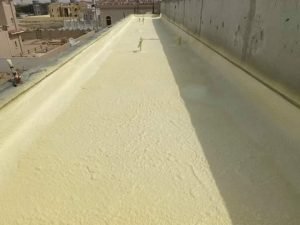
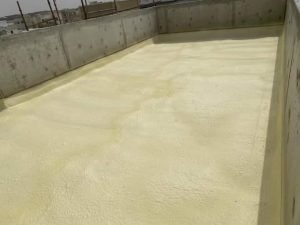
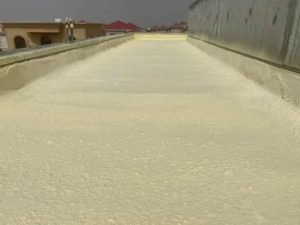
PU Spray Foam Insulation is globally recognized as the No.1 thermal protection material for residential, commercial, and industrial roofing systems due to its seamless application, closed-cell structure, unmatched R-value performance, and long-term durability. Unlike traditional insulation boards or rolls, PU spray foam expands instantly upon application, filling cracks, gaps, joints, and micro-voids
2. Key Features of PU Spray Foam Insulation
2.1 Closed-Cell Structure
Closed-cell PU foam has a tightly packed molecular structure, providing excellent thermal resistance and water repellency.
2.2 High R-Value
PU spray foam offers an R-value of 6–7 per inch, making it one of the world’s most effective insulation materials.
2.3 Seamless & Airtight Application
No joints or seams mean zero thermal bridges and maximum energy savings.
2.4 Soundproofing Capabilities
Absorbs acoustic vibrations to reduce indoor noise.
2.5 Water & Moisture Resistance
Ideal for humid climates, monsoon-prone areas, and rooftop water exposure.
2.6 Chemical & UV Stability
Maintains performance even under extreme sun exposure.
2.7 Long Service Life
Lasts 15–20 years without major maintenance when coated with a protective top layer.
3. Technical Specifications
-
Density: 32–40 kg/m³
-
Thermal Conductivity: 0.019–0.025 W/mK
-
Compressive Strength: 150–300 kPa
-
Water Absorption: <2%
-
Fire Rating: Class B2 (self-extinguishing)
-
Working Temperature Range: -50°C to +100°C
External Link: Thermal Conductivity Study – ResearchGate
4. Types of PU Spray Foam
4.1 Closed-Cell Spray Foam
Best for roofs, walls, and industrial insulation with 90–95% closed-cell content.
4.2 Open-Cell Spray Foam
Used for soundproofing interiors; lower density.
4.3 Hybrid PU Spray System
Combines both foam technologies for roofing systems requiring both insulation and structural rigidity.
5. Application Method
5.1 Surface Preparation
-
Clean the roof
-
Remove dust, algae, and debris
-
Dry the surface completely
-
Repair cracks using RC-7 Seal or PU Crack Filler
Internal Link: Robust RC-7 Seal
5.2 Spray Application
Foam is applied using a high-pressure spray machine at 1–2 inches per pass.
5.3 Layering
Most roofs require 1–3 inches depending on climate and structure.
5.4 Protective Coating
After spraying, apply Robust PU Liquid Rubber or elastomeric coating for UV protection.
6. Benefits of PU Spray Foam for Residential Roofs
6.1 Heat Reduction
Reduces indoor temperature by 6–12°C.
6.2 Energy Savings
Cuts electricity bills by 25–40%.
6.3 Waterproofing + Insulation in One System
No need for separate sheets or boards.
6.4 Prevents Leakage
Foam expands into cracks, blocking water penetration.
6.5 Long-Lasting Comfort
Maintains indoor cooling for longer hours.
7. Benefits for Commercial & Industrial Roofs
7.1 Large Area Coverage
Ideal for factories, warehouses, malls, and commercial plazas.
7.2 Temperature Stability
Protects temperature-sensitive machinery and products.
7.3 Energy Efficiency in HVAC
Reduces load on chillers and industrial AC systems.
7.4 Protects PEB Sheets
Prevents heat transfer through metal sheet roofing.
7.5 Reduces Condensation
Important for food storage, textile, and pharmaceutical facilities.
External Link: Industrial Roof Insulation – ASHRAE
8. Why PU Spray Foam Is Better Than XPS / EPS Boards
| Feature | PU Spray Foam | XPS Board | EPS Board |
|---|---|---|---|
| Thermal Resistance | Excellent | Good | Normal |
| Water Absorption | Very Low | Low | Medium |
| R-Value | Highest | Medium | Low |
| Joint Gaps | No joints | Joints present | Joints present |
| Installation Speed | Fast | Medium | Slow |
| Lifespan | 15–20 yrs | 10–15 yrs | 5–10 yrs |
Conclusion: PU Spray Foam delivers superior energy efficiency, seamless insulation, and zero thermal bridging.
9. Protection Against Extreme Weather
9.1 UV Protection
With a top coating, PU foam resists UV rays.
9.2 Monsoon Safety
Closed-cell foam prevents water infiltration.
9.3 Extreme Heat
Foam maintains stability even at 45–50°C roof temperatures.
9.4 Winter Insulation
Retains indoor warmth in winter.
10. Adhesion Strength
Adheres to:
-
RCC roof slabs
-
Metal sheets
-
Wooden ceilings
-
Asbestos sheets
-
Fiber cement boards
-
Polymer sheets
11. Performance Longevity Factors
-
Thickness of foam
-
UV coating quality
-
Roof condition
-
Environmental exposure
12. Safety Features
-
Fire-resistant
-
Non-toxic after curing
-
Mold-resistant
-
Rodent-resistant
13. Sustainability & Energy Efficiency
PU Spray Foam contributes to:
-
Reduced carbon emissions
-
Lower HVAC energy demand
-
LEED certification
External Link: LEED Building Standards – USGBC
14. Installation Guidelines (Advanced)
14.1 Substrate Testing
-
Check moisture
-
Ensure surface strength
-
Repair weak areas
14.2 Application Thickness
-
Residential: 1–1.5 inch
-
Commercial: 2 inch
-
Industrial: 2–3 inch
14.3 Tools Used
-
High-pressure spray gun
-
Heating machine
-
Air compressor
15. Reinforcement Layer (Optional)
PU Foam works best with:
-
PU Liquid Rubber
-
Waterproof membrane
-
Acrylic or elastomeric coating
Internal Link: Robust Membrane Sheet
16. Case Studies (Pakistan-Wide)
16.1 Lahore Home
Indoor temp dropped from 38°C to 28°C.
16.2 Karachi Warehouse
Energy savings improved by 30%.
16.3 Islamabad Plaza
HVAC load reduced by 25%.
16.4 Multan Factory
Eliminated condensation on metal roof sheets.
17. Maintenance & Life Extension
-
Inspect yearly
-
Renew top coating every 4–5 years
-
Keep roof clean
18. Extended FAQs
Q: How long does PU spray foam last?
A: 15–20 years with coating.
Q: Is PU foam waterproof?
A: Closed-cell PU foam is water-resistant and works as waterproof + insulation combo.
Q: Can PU foam be applied in winter?
A: Yes, with temperature above 5°C.
19. SEO Optimized Keywords
-
PU spray foam insulation
-
Roof heatproofing spray
-
Best insulation for Pakistan roofs
-
PU foam roof coating
-
Energy efficient insulation
20. Internal & External Links
Internal Links:
-
Robust PU Liquid Rubber
-
Robust RC-7 Seal
-
Robust Waterproofing Chemicals
External Links:
-
Energy.gov – Insulation
-
ResearchGate – PU Foam Thermal Study
-
USGBC – Green Building Standards
1. Introduction: Importance of PU Spray Foam Insulation in Pakistan
Pakistan’s climate varies drastically, from scorching summers in southern regions to cold winters in the northern areas. High temperatures in summer increase energy consumption due to air conditioning, while winters lead to heat loss in buildings. Moisture penetration, condensation, and water seepage are other common challenges, especially in monsoon-prone areas.
PU (Polyurethane) Spray Foam Insulation provides an effective thermal barrier, reduces energy bills, and protects buildings from moisture damage. It is ideal for residential, commercial, and industrial rooftops, walls, and other structural applications.
Internal Link: Learn more about thermal insulation solutions at Robust Construction Chemicals
External Link: Learn more about spray foam insulation – Wikipedia
2. What is PU Spray Foam Insulation?
PU Spray Foam Insulation is a two-component polyurethane system applied as a liquid, which expands to form a dense, closed-cell foam. This foam adheres to surfaces, filling cracks, gaps, and voids while providing high thermal resistance. Its flexibility, moisture resistance, and long-term durability make it a top choice for roofing insulation.
Key Components:
-
Polyol Resin & Isocyanate: React to form a high-density foam layer.
-
Catalysts & Additives: Ensure controlled expansion, adhesion, and UV resistance.
-
Optional Fire Retardants: Enhance safety in high-rise and commercial buildings.
External Link: ScienceDirect – Polyurethane Spray Foam
3. Key Features & Benefits of PU Spray Foam
1. Superior Thermal Insulation:
Closed-cell structure ensures low thermal conductivity, keeping roofs cool in summer and warm in winter.
2. Moisture & Water Resistance:
Blocks water seepage, condensation, and dampness effectively.
3. Air Sealing Properties:
Eliminates air leaks, reduces HVAC load, and improves energy efficiency.
4. Structural Reinforcement:
Adds rigidity to roofs and ceilings, providing additional support to building structures.
5. Long Lifespan:
Typically lasts 15–20 years with minimal maintenance.
6. Eco-Friendly & Safe:
Non-toxic options are available; reduces overall energy consumption, supporting sustainability.
7. Compatibility:
Can be combined with products like Robust RC-7 Seal or Robust Membrane Sheet for enhanced waterproofing.
Internal Link: Learn more about Robust RC-7 Seal
4. Applications of PU Spray Foam Insulation
4.1 Residential Roof Insulation
-
Prevents heat gain during summer, keeping indoor temperatures stable.
-
Reduces energy bills by 20–30%.
-
Ideal for flat and sloped roofs.
4.2 Commercial Buildings & Offices
-
Maintains comfortable indoor temperature for employees.
-
Protects sensitive electronic equipment from heat and moisture.
4.3 Industrial Warehouses & Cold Storage
-
Preserves temperature-sensitive goods.
-
Reduces condensation and mold growth.
4.4 Educational Institutions
-
Stabilizes classroom temperatures.
-
Enhances student comfort and learning environment.
4.5 Hospitals & Laboratories
-
Provides controlled thermal environment.
-
Protects equipment from condensation and humidity.
Internal Link: Related product – Robust Membrane Sheet
5. Step-by-Step Installation Guide
5.1 Surface Preparation
-
Clean the roof surface from dust, debris, oil, and loose particles.
-
Repair major cracks or holes with cementitious or epoxy fillers.
-
Slightly damp surfaces are acceptable for adhesion.
5.2 Application
-
Mix two components of PU foam according to manufacturer instructions.
-
Spray evenly using a professional PU foam gun.
-
Expand foam fills all gaps, cracks, and uneven areas.
5.3 Layering & Thickness
-
Apply multiple layers if required to achieve desired R-value (thermal resistance).
-
Closed-cell foam typically requires 50–100 mm thickness for residential roofs.
5.4 Protective Coating
-
Apply reflective coating or waterproofing membrane (like Robust RC-7 Seal) for UV protection.
-
Optional tile or screed overlay for high-traffic areas.
5.5 Inspection & Maintenance
-
Inspect for gaps, uneven application, or missed spots.
-
Ensure foam adhesion is strong and fully cured.
6. Technical Specifications
| Feature | Specification |
|---|---|
| Material | Polyurethane Closed-Cell Foam |
| Thermal Conductivity | 0.023–0.028 W/mK |
| Compressive Strength | 200–400 kPa |
| Density | 35–45 kg/m³ |
| Moisture Absorption | <1% |
| Fire Rating | Class B (varies by product) |
| Lifespan | 15–20 years |
| Application Thickness | 50–100 mm (residential), 100–150 mm (industrial) |
| Storage | Dry, shaded area, 12 months shelf life |
External Link: ASTM Standards – PU Foam Insulation
7. Case Studies Across Pakistan
7.1 Lahore Residential Roof
Problem: Excessive heat in summer, high AC bills.
Solution: 75 mm PU foam spray insulation.
Result: Indoor temperature reduced by 7–10°C; 25% lower energy consumption.
7.2 Karachi Industrial Cold Storage
Problem: Temperature fluctuations affecting inventory.
Solution: 100 mm PU foam insulation under roof slabs.
Result: Stable storage temperature; reduced electricity use by 30%.
7.3 Islamabad High-Rise Office
Problem: Uneven thermal comfort on top floors.
Solution: Spray foam application on roof and terrace slabs.
Result: Improved indoor climate; HVAC load reduced.
7.4 Multan School Rooftops
Problem: Classrooms too hot in summer.
Solution: PU spray foam with reflective topcoat.
Result: Cooler classrooms, enhanced learning environment.
7.5 Peshawar Government Facility
Problem: Condensation on ceiling and roof leaks.
Solution: Closed-cell PU foam with waterproof membrane overlay.
Result: Moisture-free roof, long-term protection.
8. Comparison with Other Insulation Materials
| Feature | PU Spray Foam | XPS Board | EPS Foam | Mineral Wool |
|---|---|---|---|---|
| Thermal Resistance | High | High | Medium | Medium |
| Moisture Resistance | Excellent | Excellent | Low | Low |
| Installation Ease | Easy | Moderate | Easy | Moderate |
| Air Sealing | Yes | No | No | No |
| Compressive Strength | High | High | Low | Medium |
| Lifespan | 15–20 years | 10–15 years | 5–10 years | 5–8 years |
Conclusion: PU Spray Foam provides superior insulation, moisture resistance, and air sealing compared to traditional materials.
9. Environmental & Sustainability Benefits
-
Energy Efficiency: Reduces AC/heating load by 20–30%.
-
Non-Toxic Options: Safe for residential and commercial use.
-
Supports Green Building Standards: Contributes to LEED certification and sustainable construction practices.
-
Longevity: Less frequent replacements reduce construction waste.
External Link: LEED Certification – USGBC
10. Advanced Technical Insights
-
Closed-cell structure prevents water absorption and mold growth.
-
High R-value per inch ensures maximum thermal performance.
-
Can withstand extreme temperatures (-10°C to 90°C).
-
Compatible with liquid waterproofing and reflective coatings.
-
Reinforces roof structure, reducing vibration and stress.
Internal Link: Step-by-step guide for Robust RC-7 Seal
11. Maintenance & Longevity
-
Regular inspection for cracks or coating damage.
-
Clean debris without sharp tools.
-
Minor repairs with additional PU foam or waterproofing tape.
-
Long-term performance maintained with proper protective coating.
12. Extended FAQs
Q1: Can PU spray foam be applied on old roofs?
A1: Yes, clean and repair surface before application.
Q2: Is it safe for potable water storage areas?
A2: Non-toxic versions are available; always check specifications.
Q3: How long does insulation last?
A3: 15–20 years or more with proper installation.
Q4: Does PU foam protect against monsoon rains?
A4: Yes, closed-cell structure prevents water absorption.
Q5: Can it be applied in combination with waterproofing chemicals?
A5: Absolutely; works with Robust RC-7 Seal and membrane sheets.
13. SEO Keywords & Marketing Optimization
Primary Keywords: PU Spray Foam Pakistan, Roof Spray Foam Insulation, Thermal Insulation Roof Pakistan, Residential Roof Heatproofing, Commercial Roof Insulation Pakistan
Long-Tail Keywords: Top Rated PU Spray Foam for Roofs Pakistan, Durable Thermal Roof Protection, Energy Efficient Roof Insulation, Moisture Resistant Spray Foam, Closed-Cell Roof Insulation Pakistan
Internal Links:
External Links:
1. Introduction: Importance of PU Spray Foam Insulation in Pakistan
Pakistan’s climate varies drastically, from scorching summers in southern regions to cold winters in the northern areas. High temperatures in summer increase energy consumption due to air conditioning, while winters lead to heat loss in buildings. Moisture penetration, condensation, and water seepage are other common challenges, especially in monsoon-prone areas.
PU (Polyurethane) Spray Foam Insulation provides an effective thermal barrier, reduces energy bills, and protects buildings from moisture damage. It is ideal for residential, commercial, and industrial rooftops, walls, and other structural applications.
Internal Link: Learn more about thermal insulation solutions at Robust Construction Chemicals
External Link: Learn more about spray foam insulation – Wikipedia
2. What is PU Spray Foam Insulation?
PU Spray Foam Insulation is a two-component polyurethane system applied as a liquid, which expands to form a dense, closed-cell foam. This foam adheres to surfaces, filling cracks, gaps, and voids while providing high thermal resistance. Its flexibility, moisture resistance, and long-term durability make it a top choice for roofing insulation.
Key Components:
-
Polyol Resin & Isocyanate: React to form a high-density foam layer.
-
Catalysts & Additives: Ensure controlled expansion, adhesion, and UV resistance.
-
Optional Fire Retardants: Enhance safety in high-rise and commercial buildings.
External Link: ScienceDirect – Polyurethane Spray Foam
3. Key Features & Benefits of PU Spray Foam
1. Superior Thermal Insulation:
Closed-cell structure ensures low thermal conductivity, keeping roofs cool in summer and warm in winter.
2. Moisture & Water Resistance:
Blocks water seepage, condensation, and dampness effectively.
3. Air Sealing Properties:
Eliminates air leaks, reduces HVAC load, and improves energy efficiency.
4. Structural Reinforcement:
Adds rigidity to roofs and ceilings, providing additional support to building structures.
5. Long Lifespan:
Typically lasts 15–20 years with minimal maintenance.
6. Eco-Friendly & Safe:
Non-toxic options are available; reduces overall energy consumption, supporting sustainability.
7. Compatibility:
Can be combined with products like Robust RC-7 Seal or Robust Membrane Sheet for enhanced waterproofing.
Internal Link: Learn more about Robust RC-7 Seal
4. Applications of PU Spray Foam Insulation
4.1 Residential Roof Insulation
-
Prevents heat gain during summer, keeping indoor temperatures stable.
-
Reduces energy bills by 20–30%.
-
Ideal for flat and sloped roofs.
4.2 Commercial Buildings & Offices
-
Maintains comfortable indoor temperature for employees.
-
Protects sensitive electronic equipment from heat and moisture.
4.3 Industrial Warehouses & Cold Storage
-
Preserves temperature-sensitive goods.
-
Reduces condensation and mold growth.
4.4 Educational Institutions
-
Stabilizes classroom temperatures.
-
Enhances student comfort and learning environment.
4.5 Hospitals & Laboratories
-
Provides controlled thermal environment.
-
Protects equipment from condensation and humidity.
Internal Link: Related product – Robust Membrane Sheet
5. Step-by-Step Installation Guide
5.1 Surface Preparation
-
Clean the roof surface from dust, debris, oil, and loose particles.
-
Repair major cracks or holes with cementitious or epoxy fillers.
-
Slightly damp surfaces are acceptable for adhesion.
5.2 Application
-
Mix two components of PU foam according to manufacturer instructions.
-
Spray evenly using a professional PU foam gun.
-
Expand foam fills all gaps, cracks, and uneven areas.
5.3 Layering & Thickness
-
Apply multiple layers if required to achieve desired R-value (thermal resistance).
-
Closed-cell foam typically requires 50–100 mm thickness for residential roofs.
5.4 Protective Coating
-
Apply reflective coating or waterproofing membrane (like Robust RC-7 Seal) for UV protection.
-
Optional tile or screed overlay for high-traffic areas.
5.5 Inspection & Maintenance
-
Inspect for gaps, uneven application, or missed spots.
-
Ensure foam adhesion is strong and fully cured.
6. Technical Specifications
| Feature | Specification |
|---|---|
| Material | Polyurethane Closed-Cell Foam |
| Thermal Conductivity | 0.023–0.028 W/mK |
| Compressive Strength | 200–400 kPa |
| Density | 35–45 kg/m³ |
| Moisture Absorption | <1% |
| Fire Rating | Class B (varies by product) |
| Lifespan | 15–20 years |
| Application Thickness | 50–100 mm (residential), 100–150 mm (industrial) |
| Storage | Dry, shaded area, 12 months shelf life |
External Link: ASTM Standards – PU Foam Insulation
7. Case Studies Across Pakistan
7.1 Lahore Residential Roof
Problem: Excessive heat in summer, high AC bills.
Solution: 75 mm PU foam spray insulation.
Result: Indoor temperature reduced by 7–10°C; 25% lower energy consumption.
7.2 Karachi Industrial Cold Storage
Problem: Temperature fluctuations affecting inventory.
Solution: 100 mm PU foam insulation under roof slabs.
Result: Stable storage temperature; reduced electricity use by 30%.
7.3 Islamabad High-Rise Office
Problem: Uneven thermal comfort on top floors.
Solution: Spray foam application on roof and terrace slabs.
Result: Improved indoor climate; HVAC load reduced.
7.4 Multan School Rooftops
Problem: Classrooms too hot in summer.
Solution: PU spray foam with reflective topcoat.
Result: Cooler classrooms, enhanced learning environment.
7.5 Peshawar Government Facility
Problem: Condensation on ceiling and roof leaks.
Solution: Closed-cell PU foam with waterproof membrane overlay.
Result: Moisture-free roof, long-term protection.
8. Comparison with Other Insulation Materials
| Feature | PU Spray Foam | XPS Board | EPS Foam | Mineral Wool |
|---|---|---|---|---|
| Thermal Resistance | High | High | Medium | Medium |
| Moisture Resistance | Excellent | Excellent | Low | Low |
| Installation Ease | Easy | Moderate | Easy | Moderate |
| Air Sealing | Yes | No | No | No |
| Compressive Strength | High | High | Low | Medium |
| Lifespan | 15–20 years | 10–15 years | 5–10 years | 5–8 years |
Conclusion: PU Spray Foam provides superior insulation, moisture resistance, and air sealing compared to traditional materials.
9. Environmental & Sustainability Benefits
-
Energy Efficiency: Reduces AC/heating load by 20–30%.
-
Non-Toxic Options: Safe for residential and commercial use.
-
Supports Green Building Standards: Contributes to LEED certification and sustainable construction practices.
-
Longevity: Less frequent replacements reduce construction waste.
External Link: LEED Certification – USGBC
10. Advanced Technical Insights
-
Closed-cell structure prevents water absorption and mold growth.
-
High R-value per inch ensures maximum thermal performance.
-
Can withstand extreme temperatures (-10°C to 90°C).
-
Compatible with liquid waterproofing and reflective coatings.
-
Reinforces roof structure, reducing vibration and stress.
Internal Link: Step-by-step guide for Robust RC-7 Seal
11. Maintenance & Longevity
-
Regular inspection for cracks or coating damage.
-
Clean debris without sharp tools.
-
Minor repairs with additional PU foam or waterproofing tape.
-
Long-term performance maintained with proper protective coating.
12. Extended FAQs
Q1: Can PU spray foam be applied on old roofs?
A1: Yes, clean and repair surface before application.
Q2: Is it safe for potable water storage areas?
A2: Non-toxic versions are available; always check specifications.
Q3: How long does insulation last?
A3: 15–20 years or more with proper installation.
Q4: Does PU foam protect against monsoon rains?
A4: Yes, closed-cell structure prevents water absorption.
Q5: Can it be applied in combination with waterproofing chemicals?
A5: Absolutely; works with Robust RC-7 Seal and membrane sheets.
13. SEO Keywords & Marketing Optimization
Primary Keywords: PU Spray Foam Pakistan, Roof Spray Foam Insulation, Thermal Insulation Roof Pakistan, Residential Roof Heatproofing, Commercial Roof Insulation Pakistan
Long-Tail Keywords: Top Rated PU Spray Foam for Roofs Pakistan, Durable Thermal Roof Protection, Energy Efficient Roof Insulation, Moisture Resistant Spray Foam, Closed-Cell Roof Insulation Pakistan
Internal Links:
External Links: