Robust Tile Bond| High-Strength Tile Adhesive for Walls & Floors
Meta Description: Robust Tile Bond is a premium cement-based tile adhesive engineered for strong bonding, long-lasting durability, and superior performance for ceramic, porcelain, marble, and stone tile installations on walls and floors.
H2: What is Robust Tile Bond?
Robust Tile Bond is a ready-to-use cementitious tile adhesive formulated using high-quality cement, graded aggregates, and polymer additives. It provides excellent adhesion, extended open time, smooth workability, and long-term bonding strength for interior and exterior tiling applications.
This adhesive ensures proper tile alignment, reduced tile slippage, and durable fixing even under heavy traffic and moisture exposure.
Robust Tile Bond is suitable for residential, commercial, and industrial projects.
H2: Material Composition & Technology
H3: Polymer-Modified Cement Formula
Enhances bonding strength and flexibility. Improves resistance to cracking and shrinkage.
H3: Graded Fine Aggregates
Ensures smooth consistency and uniform spreading.
H3: Water Retention Additives
Improves open time and curing quality.
H2: Key Performance Features
H3: High Bond Strength
Strong adhesion to concrete, plaster, screed, and block surfaces.
H3: Anti-Slip Performance
Prevents tile movement on vertical surfaces.
H3: Water Resistance
Suitable for kitchens, bathrooms, and wet areas.
H3: Crack Resistance
Absorbs minor substrate movement.
H3: Easy Workability
Smooth mixing and application.
H2: Compatible Tile Types
H3: Ceramic Tiles
Walls and floors.
H3: Porcelain Tiles
High density tiles.
H3: Marble and Natural Stone
Interior installations.
H3: Mosaic Tiles
Decorative applications.
H2: Suitable Substrates
H3: Concrete Surfaces
Slabs, walls, columns.
H3: Cement Plaster & Screed
Level surfaces.
H3: Blockwork & Brickwork
Properly cured masonry.
H3: Existing Tiles
With surface preparation.
H2: Application Guidelines
H3: Surface Preparation
Clean, dry, free from dust and oil.
H3: Mixing Procedure
Mix powder with clean water.
H3: Application Method
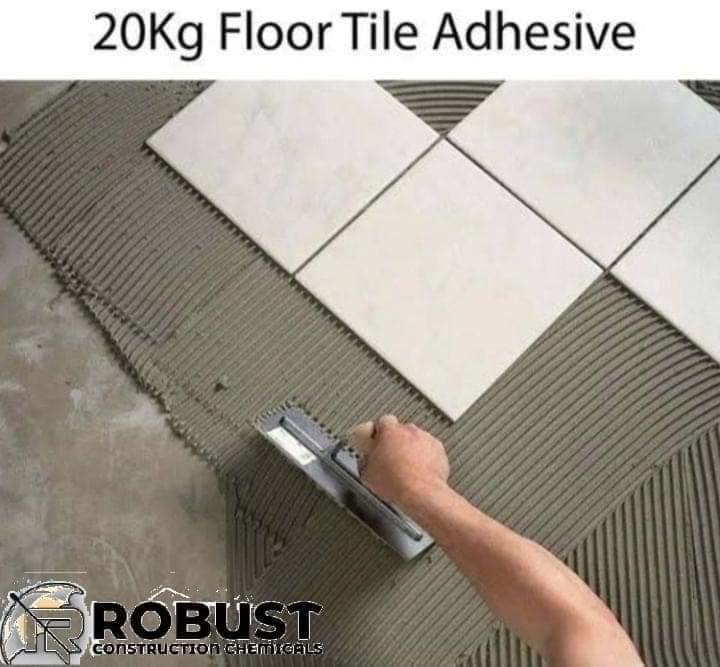
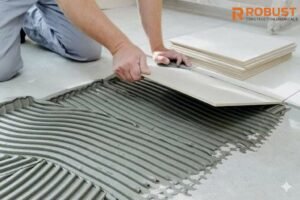
Apply using notched trowel.
H3: Tile Fixing
Press tiles firmly.
H3: Grouting Time
After 24 hours.
H2: Coverage and Consumption
Coverage depends on tile size and trowel notch.
H2: Curing and Setting
Initial set in 24 hours. Full strength after 7 days.
H2: Packaging
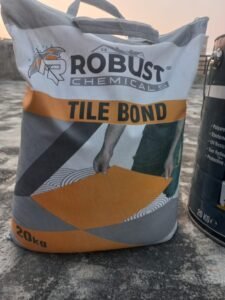
Available in bags.
H2: Storage and Shelf Life
Store in dry place. Shelf life up to 12 months.
H2: Advantages of Robust Tile Bond
Strong adhesion
Easy application
Water resistant
Anti-slip
Durable bonding
Cost effective
Versatile usage
H2: Why Choose Robust Tile Bond?
Consistent quality High bonding reliability Professional results Trusted construction brand
H2: Conclusion
Robust Tile Bond delivers reliable, long-lasting tile installation performance for all construction projects.
Robust Tile Bond | Advanced Polymer-Modified Tile Adhesive System for Long-Term Performance
Meta Description: Robust Tile Bond is a high-performance polymer-modified cementitious tile adhesive designed to deliver exceptional bonding strength, water resistance, flexibility, and durability for wall and floor tile installations in residential, commercial, and industrial environments.
H2: Product Overview and Industry Relevance
Robust Tile Bond is a premium-grade tile fixing adhesive engineered using advanced polymer technology and carefully selected aggregates. It provides superior bonding performance compared to conventional cement-sand mortar while ensuring consistent quality, faster installation, and long-lasting durability.
Modern construction demands precise tile alignment, strong adhesion, moisture resistance, and crack resistance. Robust Tile Bond meets these requirements by offering controlled setting time, excellent workability, and high bonding reliability across diverse substrates and tile types.
H2: Advanced Material Composition and Manufacturing Technology
H3: Polymer-Enhanced Cement Binder
The adhesive contains polymer additives that significantly improve bonding strength, flexibility, and resistance to shrinkage cracks.
H3: Graded Mineral Aggregates
Uniform particle distribution ensures smooth spreading, strong mechanical interlocking, and stable adhesion.
H3: Water Retention Agents
Maintains moisture during hydration for proper cement curing and extended open time.
H3: Additive Stabilizers
Improves workability, shelf life, and application consistency.
H2: Mechanical Performance Characteristics
H3: Adhesion Strength
Provides strong grip on concrete, plaster, screed, blocks, and tile backs.
H3: Shear Resistance
Prevents tile displacement under load.
H3: Impact Resistance
Withstands minor mechanical impact.
H3: Flexural Strength
Absorbs small substrate movement.
H2: Water Resistance and Moisture Protection
H3: Low Water Absorption
Reduces moisture penetration.
H3: Suitable for Wet Areas
Bathrooms, kitchens, balconies.
H3: Mold Resistance
Minimizes microbial growth.
H2: Thermal and Environmental Stability
H3: Heat Resistance
Performs well under sunlight exposure.
H3: Freeze-Thaw Resistance
Suitable for cold climates.
H3: UV Stability
Maintains bonding performance outdoors.
H2: Compatibility with Tile Types
H3: Ceramic Tiles
Standard wall and floor use.
H3: Porcelain Tiles
High-density applications.
H3: Natural Stone
Marble and granite.
H3: Glass Mosaic Tiles
Decorative use.
H2: Compatible Substrates
H3: Concrete and Cement Screeds
Primary surfaces.
H3: Cement Plaster and Render
Smooth wall surfaces.
H3: Brick and Block Masonry
Properly cured.
H3: Old Tiles
Surface roughening required.
H2: Installation System and Best Practices
H3: Surface Preparation
Remove dust, oil, loose material.
H3: Mixing Ratio
Use clean water.
H3: Application Tools
Notched trowel.
H3: Tile Placement
Press and align.
H3: Grouting Time
After 24 hours.
H2: Coverage Efficiency and Consumption Rates
Coverage varies by trowel size and tile size.
H2: Quality Control and Performance Testing
H3: Adhesion Testing
Ensures strength.
H3: Consistency Testing
Uniform mix quality.
H3: Durability Testing
Long-term reliability.
H2: Packaging Options
Multi-size bags.
H2: Storage and Shelf Life
Dry storage. Up to 12 months shelf life.
H2: Health, Safety, and Environmental Compliance
H3: Low Dust Formulation
Safer handling.
H3: Non-Toxic After Curing
Safe indoors.
H2: Advantages of Robust Tile Bond
High bonding strength
Water resistant
Easy application
Crack resistant
Anti-slip
Durable performance
Cost effective
H2: Why Choose Robust Tile Bond?
Professional grade quality Consistent manufacturing Strong technical support Trusted brand reputation
H2: Final Summary
Robust Tile Bond ensures long-lasting tile installations with superior strength, reliability, and professional finish quality.
Robust Tile Bond | High-Strength Polymer Modified Tile Adhesive for Professional Wall & Floor Installation
Meta Description: Robust Tile Bond is a premium polymer-modified cementitious tile adhesive delivering superior bonding strength, water resistance, crack resistance, and long-term durability for ceramic, porcelain, marble, and stone tiles in residential, commercial, and industrial construction.
H2: Introduction to Modern Tile Fixing Technology
Tile installation has evolved significantly from traditional cement-sand mortar systems to advanced polymer-modified adhesives that provide stronger bonding, faster installation, improved durability, and reduced failure risks. Robust Tile Bond represents this next generation of tile fixing solutions, designed to meet international performance standards while remaining cost-effective and easy to apply for contractors and homeowners.
Modern buildings require surfaces that remain stable under moisture, temperature changes, vibration, and heavy foot traffic. Robust Tile Bond ensures tiles remain firmly bonded without hollow sounds, lifting, cracking, or water penetration issues.
H2: Product Identity and Core Engineering Concept
Robust Tile Bond is a dry-mix cement-based adhesive containing high-quality cement, graded mineral fillers, polymer modifiers, water retention agents, and performance stabilizers. When mixed with clean water, it forms a smooth, creamy adhesive paste that spreads easily and creates strong mechanical and chemical bonding between tile and substrate.
The polymer enhancement allows flexibility that absorbs minor substrate movement, reducing tile breakage and grout cracking.
H2: Chemical Composition and Material Science
H3: Portland Cement Binder System
Provides structural strength and long-term durability. Ensures hydraulic setting and moisture resistance.
H3: Polymer Modification Technology
Improves adhesion to dense tiles like porcelain. Enhances flexibility and crack resistance.
H3: Graded Quartz and Mineral Fillers
Ensures uniform thickness and load distribution. Improves mechanical interlocking.
H3: Water Retention and Rheology Modifiers
Controls drying speed. Improves open time and workability.
H3: Performance Enhancers
Improve shelf stability and consistency.
H2: Mechanical Performance Properties
H3: Adhesive Bond Strength
Delivers high pull-off resistance.
H3: Shear Strength
Prevents tile sliding.
H3: Flexural Strength
Absorbs vibration.
H3: Impact Resistance
Resists accidental loads.
H2: Moisture Resistance and Waterproof Performance
H3: Low Water Absorption
Reduces moisture migration.
H3: Suitable for Wet Areas
Bathrooms, kitchens, balconies.
H3: Mold and Algae Resistance
Maintains hygiene.
H2: Thermal Stability and Environmental Durability
Robust Tile Bond ensures durable tile installations with professional performance and long-term reliability.
Robust Tile Bond | Advanced Polymer-Modified Tile Adhesive System for Long-Term Performance
Meta Description: Robust Tile Bond is a high-performance polymer-modified cementitious tile adhesive designed to deliver exceptional bonding strength, water resistance, flexibility, and durability for wall and floor tile installations in residential, commercial, and industrial environments.
H2: Product Overview and Industry Relevance
Robust Tile Bond is a premium-grade tile fixing adhesive engineered using advanced polymer technology and carefully selected aggregates. It provides superior bonding performance compared to conventional cement-sand mortar while ensuring consistent quality, faster installation, and long-lasting durability.
Modern construction demands precise tile alignment, strong adhesion, moisture resistance, and crack resistance. Robust Tile Bond meets these requirements by offering controlled setting time, excellent workability, and high bonding reliability across diverse substrates and tile types.
H2: Advanced Material Composition and Manufacturing Technology
H3: Polymer-Enhanced Cement Binder
The adhesive contains polymer additives that significantly improve bonding strength, flexibility, and resistance to shrinkage cracks.
H3: Graded Mineral Aggregates
Uniform particle distribution ensures smooth spreading, strong mechanical interlocking, and stable adhesion.
H3: Water Retention Agents
Maintains moisture during hydration for proper cement curing and extended open time.
H3: Additive Stabilizers
Improves workability, shelf life, and application consistency.
H2: Mechanical Performance Characteristics
H3: Adhesion Strength
Provides strong grip on concrete, plaster, screed, blocks, and tile backs.
H3: Shear Resistance
Prevents tile displacement under load.
H3: Impact Resistance
Withstands minor mechanical impact.
H3: Flexural Strength
Absorbs small substrate movement.
H2: Water Resistance and Moisture Protection
H3: Low Water Absorption
Reduces moisture penetration.
H3: Suitable for Wet Areas
Bathrooms, kitchens, balconies.
H3: Mold Resistance
Minimizes microbial growth.
H2: Thermal and Environmental Stability
H3: Heat Resistance
Performs well under sunlight exposure.
H3: Freeze-Thaw Resistance
Suitable for cold climates.
H3: UV Stability
Maintains bonding performance outdoors.
H2: Compatibility with Tile Types
H3: Ceramic Tiles
Standard wall and floor use.
H3: Porcelain Tiles
High-density applications.
H3: Natural Stone
Marble and granite.
H3: Glass Mosaic Tiles
Decorative use.
H2: Compatible Substrates
H3: Concrete and Cement Screeds
Primary surfaces.
H3: Cement Plaster and Render
Smooth wall surfaces.
H3: Brick and Block Masonry
Properly cured.
H3: Old Tiles
Surface roughening required.
H2: Installation System and Best Practices
H3: Surface Preparation
Remove dust, oil, loose material.
H3: Mixing Ratio
Use clean water.
H3: Application Tools
Notched trowel.
H3: Tile Placement
Press and align.
H3: Grouting Time
After 24 hours.
H2: Coverage Efficiency and Consumption Rates
Coverage varies by trowel size and tile size.
H2: Quality Control and Performance Testing
H3: Adhesion Testing
Ensures strength.
H3: Consistency Testing
Uniform mix quality.
H3: Durability Testing
Long-term reliability.
H2: Packaging Options
Multi-size bags.
H2: Storage and Shelf Life
Dry storage. Up to 12 months shelf life.
H2: Health, Safety, and Environmental Compliance
H3: Low Dust Formulation
Safer handling.
H3: Non-Toxic After Curing
Safe indoors.
H2: Advantages of Robust Tile Bond
High bonding strength
Water resistant
Easy application
Crack resistant
Anti-slip
Durable performance
Cost effective
H2: Why Choose Robust Tile Bond?
Professional grade quality Consistent manufacturing Strong technical support Trusted brand reputation
H2: Final Summary
Robust Tile Bond ensures long-lasting tile installations with superior strength, reliability, and professional finish quality.
Robust Tile Bond | Advanced Polymer-Modified Tile Adhesive System for Long-Term Performance
Meta Description: Robust Tile Bond is a high-performance polymer-modified cementitious tile adhesive designed to deliver exceptional bonding strength, water resistance, flexibility, and durability for wall and floor tile installations in residential, commercial, and industrial environments.
H2: Product Overview and Industry Relevance
Robust Tile Bond is a premium-grade tile fixing adhesive engineered using advanced polymer technology and carefully selected aggregates. It provides superior bonding performance compared to conventional cement-sand mortar while ensuring consistent quality, faster installation, and long-lasting durability.
Modern construction demands precise tile alignment, strong adhesion, moisture resistance, and crack resistance. Robust Tile Bond meets these requirements by offering controlled setting time, excellent workability, and high bonding reliability across diverse substrates and tile types.
H2: Advanced Material Composition and Manufacturing Technology
H3: Polymer-Enhanced Cement Binder
The adhesive contains polymer additives that significantly improve bonding strength, flexibility, and resistance to shrinkage cracks.
H3: Graded Mineral Aggregates
Uniform particle distribution ensures smooth spreading, strong mechanical interlocking, and stable adhesion.
H3: Water Retention Agents
Maintains moisture during hydration for proper cement curing and extended open time.
H3: Additive Stabilizers
Improves workability, shelf life, and application consistency.
H2: Mechanical Performance Characteristics
H3: Adhesion Strength
Provides strong grip on concrete, plaster, screed, blocks, and tile backs.
H3: Shear Resistance
Prevents tile displacement under load.
H3: Impact Resistance
Withstands minor mechanical impact.
H3: Flexural Strength
Absorbs small substrate movement.
H2: Water Resistance and Moisture Protection
H3: Low Water Absorption
Reduces moisture penetration.
H3: Suitable for Wet Areas
Bathrooms, kitchens, balconies.
H3: Mold Resistance
Minimizes microbial growth.
H2: Thermal and Environmental Stability
H3: Heat Resistance
Performs well under sunlight exposure.
H3: Freeze-Thaw Resistance
Suitable for cold climates.
H3: UV Stability
Maintains bonding performance outdoors.
H2: Compatibility with Tile Types
H3: Ceramic Tiles
Standard wall and floor use.
H3: Porcelain Tiles
High-density applications.
H3: Natural Stone
Marble and granite.
H3: Glass Mosaic Tiles
Decorative use.
H2: Compatible Substrates
H3: Concrete and Cement Screeds
Primary surfaces.
H3: Cement Plaster and Render
Smooth wall surfaces.
H3: Brick and Block Masonry
Properly cured.
H3: Old Tiles
Surface roughening required.
H2: Installation System and Best Practices
H3: Surface Preparation
Remove dust, oil, loose material.
H3: Mixing Ratio
Use clean water.
H3: Application Tools
Notched trowel.
H3: Tile Placement
Press and align.
H3: Grouting Time
After 24 hours.
H2: Coverage Efficiency and Consumption Rates
Coverage varies by trowel size and tile size.
H2: Quality Control and Performance Testing
H3: Adhesion Testing
Ensures strength.
H3: Consistency Testing
Uniform mix quality.
H3: Durability Testing
Long-term reliability.
H2: Packaging Options
Multi-size bags.
H2: Storage and Shelf Life
Dry storage. Up to 12 months shelf life.
H2: Health, Safety, and Environmental Compliance
H3: Low Dust Formulation
Safer handling.
H3: Non-Toxic After Curing
Safe indoors.
H2: Advantages of Robust Tile Bond
High bonding strength
Water resistant
Easy application
Crack resistant
Anti-slip
Durable performance
Cost effective
H2: Why Choose Robust Tile Bond?
Professional grade quality Consistent manufacturing Strong technical support Trusted brand reputation
H2: Final Summary
Robust Tile Bond ensures long-lasting tile installations with superior strength, reliability, and professional finish quality.
Robust Tile Bond | Advanced Polymer-Modified Tile Adhesive System for Long-Term Performance
Meta Description: Robust Tile Bond is a high-performance polymer-modified cementitious tile adhesive designed to deliver exceptional bonding strength, water resistance, flexibility, and durability for wall and floor tile installations in residential, commercial, and industrial environments.
H2: Product Overview and Industry Relevance
Robust Tile Bond is a premium-grade tile fixing adhesive engineered using advanced polymer technology and carefully selected aggregates. It provides superior bonding performance compared to conventional cement-sand mortar while ensuring consistent quality, faster installation, and long-lasting durability.
Modern construction demands precise tile alignment, strong adhesion, moisture resistance, and crack resistance. Robust Tile Bond meets these requirements by offering controlled setting time, excellent workability, and high bonding reliability across diverse substrates and tile types.
H2: Advanced Material Composition and Manufacturing Technology
H3: Polymer-Enhanced Cement Binder
The adhesive contains polymer additives that significantly improve bonding strength, flexibility, and resistance to shrinkage cracks.
H3: Graded Mineral Aggregates
Uniform particle distribution ensures smooth spreading, strong mechanical interlocking, and stable adhesion.
H3: Water Retention Agents
Maintains moisture during hydration for proper cement curing and extended open time.
H3: Additive Stabilizers
Improves workability, shelf life, and application consistency.
H2: Mechanical Performance Characteristics
H3: Adhesion Strength
Provides strong grip on concrete, plaster, screed, blocks, and tile backs.
H3: Shear Resistance
Prevents tile displacement under load.
H3: Impact Resistance
Withstands minor mechanical impact.
H3: Flexural Strength
Absorbs small substrate movement.
H2: Water Resistance and Moisture Protection
H3: Low Water Absorption
Reduces moisture penetration.
H3: Suitable for Wet Areas
Bathrooms, kitchens, balconies.
H3: Mold Resistance
Minimizes microbial growth.
H2: Thermal and Environmental Stability
H3: Heat Resistance
Performs well under sunlight exposure.
H3: Freeze-Thaw Resistance
Suitable for cold climates.
H3: UV Stability
Maintains bonding performance outdoors.
H2: Compatibility with Tile Types
H3: Ceramic Tiles
Standard wall and floor use.
H3: Porcelain Tiles
High-density applications.
H3: Natural Stone
Marble and granite.
H3: Glass Mosaic Tiles
Decorative use.
H2: Compatible Substrates
H3: Concrete and Cement Screeds
Primary surfaces.
H3: Cement Plaster and Render
Smooth wall surfaces.
H3: Brick and Block Masonry
Properly cured.
H3: Old Tiles
Surface roughening required.
H2: Installation System and Best Practices
H3: Surface Preparation
Remove dust, oil, loose material.
H3: Mixing Ratio
Use clean water.
H3: Application Tools
Notched trowel.
H3: Tile Placement
Press and align.
H3: Grouting Time
After 24 hours.
H2: Coverage Efficiency and Consumption Rates
Coverage varies by trowel size and tile size.
H2: Quality Control and Performance Testing
H3: Adhesion Testing
Ensures strength.
H3: Consistency Testing
Uniform mix quality.
H3: Durability Testing
Long-term reliability.
H2: Packaging Options
Multi-size bags.
H2: Storage and Shelf Life
Dry storage. Up to 12 months shelf life.
H2: Health, Safety, and Environmental Compliance
H3: Low Dust Formulation
Safer handling.
H3: Non-Toxic After Curing
Safe indoors.
H2: Advantages of Robust Tile Bond
High bonding strength
Water resistant
Easy application
Crack resistant
Anti-slip
Durable performance
Cost effective
H2: Why Choose Robust Tile Bond?
Professional grade quality Consistent manufacturing Strong technical support Trusted brand reputation
H2: Final Summary
Robust Tile Bond ensures long-lasting tile installations with superior strength, reliability, and professional finish quality.