Waterproofing Materials for Homes in Pakistan – Complete SEO Guide for Long-Lasting Home Protection
Waterproofing materials for homes in Pakistan have become an essential requirement rather than a luxury. With increasing construction costs, extreme weather conditions, heavy monsoon rains, and rising humidity levels, homeowners across Pakistan are now prioritizing waterproofing to protect their houses from water damage, dampness, leakage, and structural deterioration.
From roofs and basements to bathrooms, kitchens, and foundations, water seepage can silently damage a home’s structure and reduce its lifespan. Proper waterproofing materials ensure long-term safety, comfort, and durability while also saving money on repairs and maintenance.
This comprehensive guide explains waterproofing materials for homes in Pakistan, including types, benefits, applications, costs, and how to choose the right waterproofing solution for residential buildings.
Why Waterproofing Is Essential for Homes in Pakistan
Pakistan’s climate and construction environment create multiple challenges for residential buildings:
-
Heavy monsoon rainfall
-
High groundwater levels
-
Humidity and moisture
-
Extreme summer heat followed by winter temperature drops
-
Concrete and brick masonry expansion and contraction
Without waterproofing, homes often suffer from:
-
Roof leakage
-
Damp walls and ceilings
-
Mold and fungus growth
-
Peeling paint and plaster damage
-
Weak foundations
-
Rusting of steel reinforcement
Using the right waterproofing materials at the right stage of construction protects homes from these long-term problems.
What Are Waterproofing Materials?
Waterproofing materials are specialized construction products designed to prevent water penetration through concrete, masonry, and building surfaces. These materials create protective barriers that block moisture, seal cracks, and prevent seepage.
Waterproofing materials can be applied:
-
During new house construction
-
During renovation or repair
-
As preventive or corrective solutions
They come in various forms, including liquids, powders, membranes, and coatings.
Common Areas in Homes That Require Waterproofing
1. Roof Slabs
Roofs are directly exposed to rain, sunlight, and temperature changes.
2. Bathrooms & Toilets
Constant water usage makes these areas highly vulnerable to seepage.
3. Kitchens
Water splashes, pipelines, and drainage points require protection.
4. Basements
Underground structures face groundwater pressure and moisture ingress.
5. Foundations
Water seepage weakens the structural base of homes.
6. Balconies & Terraces
Open areas exposed to rain and weather conditions.
Types of Waterproofing Materials for Homes in Pakistan
1. Cementitious Waterproofing Materials
Cementitious waterproofing is the most commonly used waterproofing solution in Pakistani homes.
Composition:
-
Cement
-
Waterproofing additives
-
Polymers or crystalline compounds
Advantages:
-
Excellent bonding with concrete
-
Easy application
-
Cost-effective
-
Long-lasting protection
Applications:
-
Bathrooms
-
Water tanks
-
Foundations
-
Basements
2. Liquid Waterproofing Membranes
Liquid membranes are applied as a fluid coating that dries to form a seamless waterproof layer.
Advantages:
-
Flexible and crack-bridging
-
Easy brush or roller application
-
Suitable for roofs and terraces
Applications:
-
Roof slabs
-
Balconies
-
Bathrooms
3. Bituminous Waterproofing Materials
Bituminous waterproofing uses asphalt-based products to create moisture barriers.
Advantages:
-
Good water resistance
-
Affordable
Limitations:
-
Low UV resistance
-
Requires protective layers
Applications:
-
Foundations
-
Below-ground areas
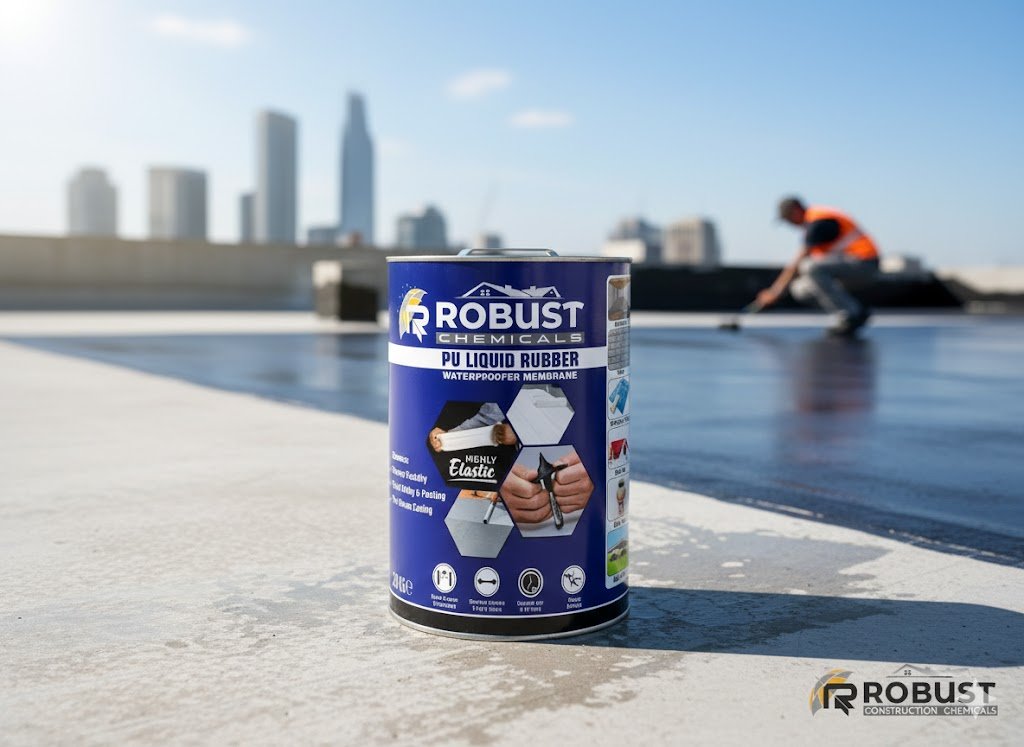
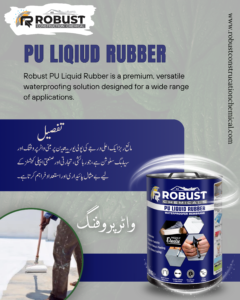
4. Polyurethane (PU) Waterproofing
PU waterproofing materials offer high flexibility and durability.
Advantages:
-
Excellent crack-bridging
-
Strong adhesion
-
Long lifespan
Applications:
-
Roofs
-
Terraces
-
Wet areas
5. Crystalline Waterproofing Materials
Crystalline waterproofing penetrates concrete and blocks water paths from within.
Advantages:
-
Deep penetration
-
Self-sealing of micro-cracks
-
Permanent waterproofing
Applications:
-
Basements
-
Foundations
-
Water tanks
6. Silicone & Acrylic Sealants
Sealants are used to seal joints, gaps, and cracks.
Applications:
-
Window frames
-
Pipe penetrations
-
Expansion joints
How Waterproofing Materials Work
Waterproofing materials function through:
-
Surface coating (forming a physical barrier)
-
Chemical reaction with cement
-
Crystalline growth inside concrete pores
-
Flexible membrane formation
Each system addresses specific water penetration challenges.
Benefits of Waterproofing Homes
✔ Protection from Water Damage
Stops seepage, leakage, and moisture infiltration.
✔ Improved Structural Strength
Protects concrete and steel reinforcement.
✔ Healthier Living Environment
Prevents mold, fungus, and damp smells.
✔ Lower Maintenance Costs
Reduces repair and renovation expenses.
✔ Increased Property Value
Waterproofed homes have higher resale value.
Waterproofing for Roofs in Homes
Roof waterproofing materials protect homes from:
-
Rainwater penetration
-
Thermal stress cracking
-
Surface deterioration
Common roof waterproofing solutions include cementitious coatings, liquid membranes, and heat-reflective waterproof coatings.
Waterproofing for Bathrooms & Kitchens
These wet areas require waterproofing beneath tiles to prevent leakage into slabs and walls.
Best solutions:
-
Polymer-modified cementitious waterproofing
-
Liquid waterproof membranes
Waterproofing for Basements
Basements face constant water pressure from soil.
Recommended materials:
-
Crystalline waterproofing
-
Cementitious waterproof coatings
These systems are effective against positive and negative water pressure.
Waterproofing During New Home Construction
Applying waterproofing materials during construction is:
-
More economical
-
More effective
-
Easier to integrate
It prevents future leakage issues and increases durability.
Waterproofing for Existing Homes
For older houses, waterproofing can be applied as:
-
Corrective treatments
-
Repair-based waterproofing
-
Surface coatings
Professional assessment ensures the right solution.
Cost of Waterproofing Materials in Pakistan
Costs depend on:
-
Type of waterproofing material
-
Area size
-
Application thickness
-
Labor charges
Cementitious and liquid waterproofing systems are among the most affordable residential waterproofing options in Pakistan.
Common Waterproofing Mistakes to Avoid
-
Skipping surface preparation
-
Using low-quality materials
-
Ignoring cracks and joints
-
Improper curing
-
Applying in unsuitable weather
Avoiding these mistakes ensures long-term performance.
Maintenance of Waterproofed Homes
Waterproofing systems require:
-
Periodic inspection
-
Minor repairs if cracks appear
-
Cleaning of drainage outlets
Proper maintenance extends waterproofing life significantly.
Environmental & Safety Considerations
Modern waterproofing materials:
-
Are low-VOC
-
Safe for residential use
-
Environmentally responsible
Always choose products suitable for indoor and potable water applications where required.
Future of Residential Waterproofing in Pakistan
With rising awareness and improved construction standards, demand for home waterproofing materials in Pakistan continues to grow. Homeowners now understand that waterproofing is an investment, not an expense.
Waterproofing Materials for Homes in Pakistan – Complete SEO Guide for Long-Lasting Home Protection
Waterproofing materials for homes in Pakistan have become an essential requirement rather than a luxury. With increasing construction costs, extreme weather conditions, heavy monsoon rains, and rising humidity levels, homeowners across Pakistan are now prioritizing waterproofing to protect their houses from water damage, dampness, leakage, and structural deterioration.
From roofs and basements to bathrooms, kitchens, and foundations, water seepage can silently damage a home’s structure and reduce its lifespan. Proper waterproofing materials ensure long-term safety, comfort, and durability while also saving money on repairs and maintenance.
This comprehensive guide explains waterproofing materials for homes in Pakistan, including types, benefits, applications, costs, and how to choose the right waterproofing solution for residential buildings.
Why Waterproofing Is Essential for Homes in Pakistan
Pakistan’s climate and construction environment create multiple challenges for residential buildings:
-
Heavy monsoon rainfall
-
High groundwater levels
-
Humidity and moisture
-
Extreme summer heat followed by winter temperature drops
-
Concrete and brick masonry expansion and contraction
Without waterproofing, homes often suffer from:
-
Roof leakage
-
Damp walls and ceilings
-
Mold and fungus growth
-
Peeling paint and plaster damage
-
Weak foundations
-
Rusting of steel reinforcement
Using the right waterproofing materials at the right stage of construction protects homes from these long-term problems.
What Are Waterproofing Materials?
Waterproofing materials are specialized construction products designed to prevent water penetration through concrete, masonry, and building surfaces. These materials create protective barriers that block moisture, seal cracks, and prevent seepage.
Waterproofing materials can be applied:
-
During new house construction
-
During renovation or repair
-
As preventive or corrective solutions
They come in various forms, including liquids, powders, membranes, and coatings.
Common Areas in Homes That Require Waterproofing
1. Roof Slabs
Roofs are directly exposed to rain, sunlight, and temperature changes.
2. Bathrooms & Toilets
Constant water usage makes these areas highly vulnerable to seepage.
3. Kitchens
Water splashes, pipelines, and drainage points require protection.
4. Basements
Underground structures face groundwater pressure and moisture ingress.
5. Foundations
Water seepage weakens the structural base of homes.
6. Balconies & Terraces
Open areas exposed to rain and weather conditions.
Types of Waterproofing Materials for Homes in Pakistan
1. Cementitious Waterproofing Materials
Cementitious waterproofing is the most commonly used waterproofing solution in Pakistani homes.
Composition:
-
Cement
-
Waterproofing additives
-
Polymers or crystalline compounds
Advantages:
-
Excellent bonding with concrete
-
Easy application
-
Cost-effective
-
Long-lasting protection
Applications:
-
Bathrooms
-
Water tanks
-
Foundations
-
Basements
2. Liquid Waterproofing Membranes
Liquid membranes are applied as a fluid coating that dries to form a seamless waterproof layer.
Advantages:
-
Flexible and crack-bridging
-
Easy brush or roller application
-
Suitable for roofs and terraces
Applications:
-
Roof slabs
-
Balconies
-
Bathrooms
3. Bituminous Waterproofing Materials
Bituminous waterproofing uses asphalt-based products to create moisture barriers.
Advantages:
-
Good water resistance
-
Affordable
Limitations:
-
Low UV resistance
-
Requires protective layers
Applications:
-
Foundations
-
Below-ground areas
4. Polyurethane (PU) Waterproofing
PU waterproofing materials offer high flexibility and durability.
Advantages:
-
Excellent crack-bridging
-
Strong adhesion
-
Long lifespan
Applications:
-
Roofs
-
Terraces
-
Wet areas
5. Crystalline Waterproofing Materials
Crystalline waterproofing penetrates concrete and blocks water paths from within.
Advantages:
-
Deep penetration
-
Self-sealing of micro-cracks
-
Permanent waterproofing
Applications:
-
Basements
-
Foundations
-
Water tanks
6. Silicone & Acrylic Sealants
Sealants are used to seal joints, gaps, and cracks.
Applications:
-
Window frames
-
Pipe penetrations
-
Expansion joints
How Waterproofing Materials Work
Waterproofing materials function through:
-
Surface coating (forming a physical barrier)
-
Chemical reaction with cement
-
Crystalline growth inside concrete pores
-
Flexible membrane formation
Each system addresses specific water penetration challenges.
Benefits of Waterproofing Homes
✔ Protection from Water Damage
Stops seepage, leakage, and moisture infiltration.
✔ Improved Structural Strength
Protects concrete and steel reinforcement.
✔ Healthier Living Environment
Prevents mold, fungus, and damp smells.
✔ Lower Maintenance Costs
Reduces repair and renovation expenses.
✔ Increased Property Value
Waterproofed homes have higher resale value.
Waterproofing for Roofs in Homes
Roof waterproofing materials protect homes from:
-
Rainwater penetration
-
Thermal stress cracking
-
Surface deterioration
Common roof waterproofing solutions include cementitious coatings, liquid membranes, and heat-reflective waterproof coatings.
Waterproofing for Bathrooms & Kitchens
These wet areas require waterproofing beneath tiles to prevent leakage into slabs and walls.
Best solutions:
-
Polymer-modified cementitious waterproofing
-
Liquid waterproof membranes
Waterproofing for Basements
Basements face constant water pressure from soil.
Recommended materials:
-
Crystalline waterproofing
-
Cementitious waterproof coatings
These systems are effective against positive and negative water pressure.
Waterproofing During New Home Construction
Applying waterproofing materials during construction is:
-
More economical
-
More effective
-
Easier to integrate
It prevents future leakage issues and increases durability.
Waterproofing for Existing Homes
For older houses, waterproofing can be applied as:
-
Corrective treatments
-
Repair-based waterproofing
-
Surface coatings
Professional assessment ensures the right solution.
Cost of Waterproofing Materials in Pakistan
Costs depend on:
-
Type of waterproofing material
-
Area size
-
Application thickness
-
Labor charges
Cementitious and liquid waterproofing systems are among the most affordable residential waterproofing options in Pakistan.
Common Waterproofing Mistakes to Avoid
-
Skipping surface preparation
-
Using low-quality materials
-
Ignoring cracks and joints
-
Improper curing
-
Applying in unsuitable weather
Avoiding these mistakes ensures long-term performance.
Maintenance of Waterproofed Homes
Waterproofing systems require:
-
Periodic inspection
-
Minor repairs if cracks appear
-
Cleaning of drainage outlets
Proper maintenance extends waterproofing life significantly.
Environmental & Safety Considerations
Modern waterproofing materials:
-
Are low-VOC
-
Safe for residential use
-
Environmentally responsible
Always choose products suitable for indoor and potable water applications where required.
Future of Residential Waterproofing in Pakistan
With rising awareness and improved construction standards, demand for home waterproofing materials in Pakistan continues to grow. Homeowners now understand that waterproofing is an investment, not an expense.
Waterproofing Materials for Homes in Pakistan – Complete SEO Guide for Long-Lasting Home Protection
Waterproofing materials for homes in Pakistan have become an essential requirement rather than a luxury. With increasing construction costs, extreme weather conditions, heavy monsoon rains, and rising humidity levels, homeowners across Pakistan are now prioritizing waterproofing to protect their houses from water damage, dampness, leakage, and structural deterioration.
From roofs and basements to bathrooms, kitchens, and foundations, water seepage can silently damage a home’s structure and reduce its lifespan. Proper waterproofing materials ensure long-term safety, comfort, and durability while also saving money on repairs and maintenance.
This comprehensive guide explains waterproofing materials for homes in Pakistan, including types, benefits, applications, costs, and how to choose the right waterproofing solution for residential buildings.
Why Waterproofing Is Essential for Homes in Pakistan
Pakistan’s climate and construction environment create multiple challenges for residential buildings:
-
Heavy monsoon rainfall
-
High groundwater levels
-
Humidity and moisture
-
Extreme summer heat followed by winter temperature drops
-
Concrete and brick masonry expansion and contraction
Without waterproofing, homes often suffer from:
-
Roof leakage
-
Damp walls and ceilings
-
Mold and fungus growth
-
Peeling paint and plaster damage
-
Weak foundations
-
Rusting of steel reinforcement
Using the right waterproofing materials at the right stage of construction protects homes from these long-term problems.
What Are Waterproofing Materials?
Waterproofing materials are specialized construction products designed to prevent water penetration through concrete, masonry, and building surfaces. These materials create protective barriers that block moisture, seal cracks, and prevent seepage.
Waterproofing materials can be applied:
-
During new house construction
-
During renovation or repair
-
As preventive or corrective solutions
They come in various forms, including liquids, powders, membranes, and coatings.
Common Areas in Homes That Require Waterproofing
1. Roof Slabs
Roofs are directly exposed to rain, sunlight, and temperature changes.
2. Bathrooms & Toilets
Constant water usage makes these areas highly vulnerable to seepage.
3. Kitchens
Water splashes, pipelines, and drainage points require protection.
4. Basements
Underground structures face groundwater pressure and moisture ingress.
5. Foundations
Water seepage weakens the structural base of homes.
6. Balconies & Terraces
Open areas exposed to rain and weather conditions.
Types of Waterproofing Materials for Homes in Pakistan
1. Cementitious Waterproofing Materials
Cementitious waterproofing is the most commonly used waterproofing solution in Pakistani homes.
Composition:
-
Cement
-
Waterproofing additives
-
Polymers or crystalline compounds
Advantages:
-
Excellent bonding with concrete
-
Easy application
-
Cost-effective
-
Long-lasting protection
Applications:
-
Bathrooms
-
Water tanks
-
Foundations
-
Basements
2. Liquid Waterproofing Membranes
Liquid membranes are applied as a fluid coating that dries to form a seamless waterproof layer.
Advantages:
-
Flexible and crack-bridging
-
Easy brush or roller application
-
Suitable for roofs and terraces
Applications:
-
Roof slabs
-
Balconies
-
Bathrooms
3. Bituminous Waterproofing Materials
Bituminous waterproofing uses asphalt-based products to create moisture barriers.
Advantages:
-
Good water resistance
-
Affordable
Limitations:
-
Low UV resistance
-
Requires protective layers
Applications:
-
Foundations
-
Below-ground areas
4. Polyurethane (PU) Waterproofing
PU waterproofing materials offer high flexibility and durability.
Advantages:
-
Excellent crack-bridging
-
Strong adhesion
-
Long lifespan
Applications:
-
Roofs
-
Terraces
-
Wet areas
5. Crystalline Waterproofing Materials
Crystalline waterproofing penetrates concrete and blocks water paths from within.
Advantages:
-
Deep penetration
-
Self-sealing of micro-cracks
-
Permanent waterproofing
Applications:
-
Basements
-
Foundations
-
Water tanks
6. Silicone & Acrylic Sealants
Sealants are used to seal joints, gaps, and cracks.
Applications:
-
Window frames
-
Pipe penetrations
-
Expansion joints
How Waterproofing Materials Work
Waterproofing materials function through:
-
Surface coating (forming a physical barrier)
-
Chemical reaction with cement
-
Crystalline growth inside concrete pores
-
Flexible membrane formation
Each system addresses specific water penetration challenges.
Benefits of Waterproofing Homes
✔ Protection from Water Damage
Stops seepage, leakage, and moisture infiltration.
✔ Improved Structural Strength
Protects concrete and steel reinforcement.
✔ Healthier Living Environment
Prevents mold, fungus, and damp smells.
✔ Lower Maintenance Costs
Reduces repair and renovation expenses.
✔ Increased Property Value
Waterproofed homes have higher resale value.
Waterproofing for Roofs in Homes
Roof waterproofing materials protect homes from:
-
Rainwater penetration
-
Thermal stress cracking
-
Surface deterioration
Common roof waterproofing solutions include cementitious coatings, liquid membranes, and heat-reflective waterproof coatings.
Waterproofing for Bathrooms & Kitchens
These wet areas require waterproofing beneath tiles to prevent leakage into slabs and walls.
Best solutions:
-
Polymer-modified cementitious waterproofing
-
Liquid waterproof membranes
Waterproofing for Basements
Basements face constant water pressure from soil.
Recommended materials:
-
Crystalline waterproofing
-
Cementitious waterproof coatings
These systems are effective against positive and negative water pressure.
Waterproofing During New Home Construction
Applying waterproofing materials during construction is:
-
More economical
-
More effective
-
Easier to integrate
It prevents future leakage issues and increases durability.
Waterproofing for Existing Homes
For older houses, waterproofing can be applied as:
-
Corrective treatments
-
Repair-based waterproofing
-
Surface coatings
Professional assessment ensures the right solution.
Cost of Waterproofing Materials in Pakistan
Costs depend on:
-
Type of waterproofing material
-
Area size
-
Application thickness
-
Labor charges
Cementitious and liquid waterproofing systems are among the most affordable residential waterproofing options in Pakistan.
Common Waterproofing Mistakes to Avoid
-
Skipping surface preparation
-
Using low-quality materials
-
Ignoring cracks and joints
-
Improper curing
-
Applying in unsuitable weather
Avoiding these mistakes ensures long-term performance.
Maintenance of Waterproofed Homes
Waterproofing systems require:
-
Periodic inspection
-
Minor repairs if cracks appear
-
Cleaning of drainage outlets
Proper maintenance extends waterproofing life significantly.
Environmental & Safety Considerations
Modern waterproofing materials:
-
Are low-VOC
-
Safe for residential use
-
Environmentally responsible
Always choose products suitable for indoor and potable water applications where required.
Future of Residential Waterproofing in Pakistan
With rising awareness and improved construction standards, demand for home waterproofing materials in Pakistan continues to grow. Homeowners now understand that waterproofing is an investment, not an expense.