Modern PVC Water Stopper | Engineered Joint Sealing Technology
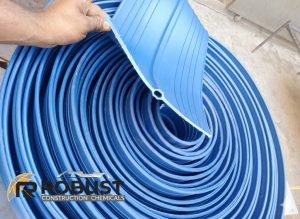
Modern PVC Water Stopper is an engineered joint sealing technology designed to provide reliable, long-lasting, and pressure-resistant waterproofing protection for concrete joints in water-retaining and water-excluding structures where leakage control and structural safety are critical.
Modern PVC water stopper is manufactured from high-quality flexible polyvinyl chloride compounds that deliver exceptional elasticity, tensile strength, durability, and resistance against water pressure, soil pressure, temperature variation, chemical exposure, and long-term environmental stress.
This advanced PVC water stopper system is embedded within concrete joints to create a continuous physical barrier that blocks water migration through construction joints, expansion joints, contraction joints, and movement joints, ensuring complete joint waterproofing throughout the life of the structure.
Modern PVC water stopper technology is widely used in basements, underground foundations, retaining walls, tunnels, culverts, dams, canals, reservoirs, water tanks, swimming pools, sewage treatment plants, irrigation channels, spillways, and large civil engineering projects where joint leakage can cause severe structural damage and costly repairs.
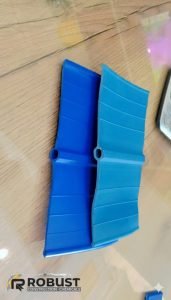
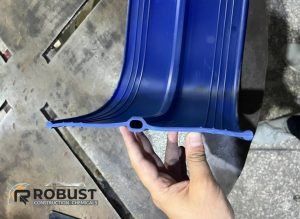
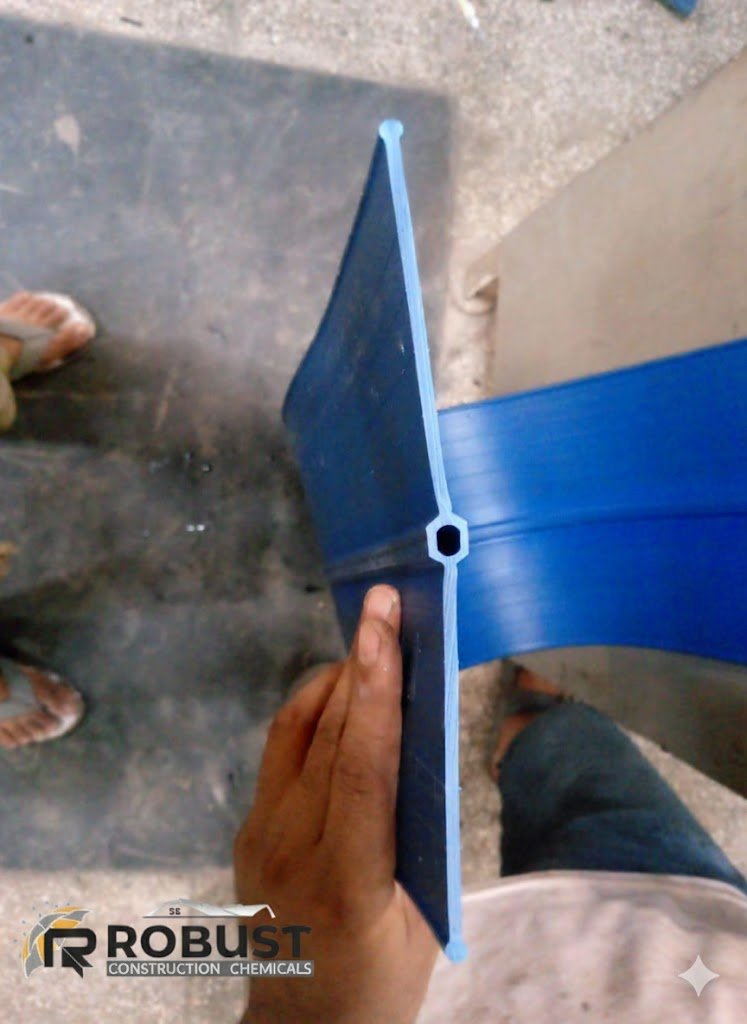
The engineered design of modern PVC water stoppers includes ribs, bulbs, serrations, and anchoring profiles that lock firmly into concrete, providing maximum grip and preventing displacement during concrete pouring and vibration.
This strong mechanical anchorage ensures a watertight seal even under high hydrostatic pressure and continuous water exposure.
Modern PVC water stopper offers excellent elongation properties, allowing it to absorb structural movement caused by thermal expansion, contraction, settlement, vibration, and seismic activity without tearing, cracking, or losing sealing efficiency.
This flexibility makes PVC water stopper an essential waterproofing component in massive concrete structures where movement is unavoidable.
Modern PVC water stoppers are available in multiple engineered profiles such as central bulb type, dumbbell type, ribbed type, flat type, external type, internal type, and expansion joint profiles, each designed to perform under specific structural conditions and water pressure requirements.
Central bulb PVC water stoppers are ideal for expansion joints where movement is expected, while ribbed and dumbbell profiles provide superior leak resistance in construction joints subjected to high water pressure.
Internal PVC water stoppers are embedded at the center of concrete sections for tanks, dams, and tunnels, while external PVC water stoppers are applied on the outer face of structures such as retaining walls and basements exposed to groundwater.
Modern PVC water stopper technology is highly resistant to chemicals, salts, sewage, chlorinated water, alkaline environments, and mild acids, making it suitable for wastewater treatment plants, industrial facilities, and municipal infrastructure projects.
Unlike traditional joint sealing methods that rely on surface coatings or sealants, PVC water stoppers provide permanent internal waterproofing that cannot peel, crack, or deteriorate over time.
The non-porous structure of PVC water stopper prevents water absorption and ensures consistent performance even after decades of continuous exposure to moisture and pressure.
Modern PVC water stopper plays a vital role in protecting reinforced concrete by preventing water ingress that leads to corrosion of steel reinforcement, concrete deterioration, mold growth, and loss of structural strength.
In basements and underground parking structures, PVC water stoppers eliminate seepage and dampness, creating dry, safe, and durable spaces. In water tanks and swimming pools, PVC water stopper ensures zero leakage, preventing water loss, structural damage, and costly maintenance.
In dams, canals, and irrigation structures, PVC water stopper maintains water tightness under extreme pressure conditions, ensuring operational efficiency and long-term structural reliability.
Installation of modern PVC water stopper requires precision and skilled workmanship to ensure correct alignment, firm fixing, and proper welding at joints.
Heat welding of PVC water stopper sections creates a continuous sealing system with no weak points, ensuring complete waterproofing continuity across the entire joint length. Proper installation techniques, combined with high-quality materials, guarantee optimal performance and durability.
Modern PVC water stopper is lightweight, easy to handle, and compatible with standard concrete construction practices, making it a preferred choice for contractors and engineers.
Once installed, PVC water stopper requires no maintenance and continues to perform for the entire lifespan of the structure, offering exceptional long-term value and cost efficiency.
Engineers and structural consultants specify modern PVC water stopper systems because they meet international construction standards and provide predictable, proven waterproofing performance.
Government and infrastructure projects rely on PVC water stopper technology as a mandatory joint waterproofing solution due to its reliability, safety, and durability. Compared to alternative joint sealing solutions, modern PVC water stopper offers superior resistance to pressure, movement, and environmental exposure, making it the most trusted joint sealing technology in the construction industry.
The use of modern PVC water stopper significantly extends the service life of concrete structures by eliminating one of the most common causes of structural failure, which is joint leakage.
By creating a permanent water barrier within concrete joints, PVC water stopper ensures structural integrity, safety, and performance for decades. Modern PVC water stopper is not just a waterproofing accessory but a critical structural protection system that safeguards investments in large-scale construction projects.
Choosing modern PVC water stopper engineered joint sealing technology means choosing reliability, durability, and complete peace of mind for waterproof concrete construction in demanding environments.
Modern PVC Water Stopper | Engineered Joint Sealing Technology
Modern PVC Water Stopper is an engineered joint sealing technology designed to provide reliable, long-lasting, and pressure-resistant waterproofing protection for concrete joints in water-retaining and water-excluding structures where leakage control and structural safety are critical.
Modern PVC water stopper is manufactured from high-quality flexible polyvinyl chloride compounds that deliver exceptional elasticity, tensile strength, durability, and resistance against water pressure, soil pressure, temperature variation, chemical exposure, and long-term environmental stress.
This advanced PVC water stopper system is embedded within concrete joints to create a continuous physical barrier that blocks water migration through construction joints, expansion joints, contraction joints, and movement joints, ensuring complete joint waterproofing throughout the life of the structure.
Modern PVC water stopper technology is widely used in basements, underground foundations, retaining walls, tunnels, culverts, dams, canals, reservoirs, water tanks, swimming pools, sewage treatment plants, irrigation channels, spillways, and large civil engineering projects where joint leakage can cause severe structural damage and costly repairs.
The engineered design of modern PVC water stoppers includes ribs, bulbs, serrations, and anchoring profiles that lock firmly into concrete, providing maximum grip and preventing displacement during concrete pouring and vibration.
This strong mechanical anchorage ensures a watertight seal even under high hydrostatic pressure and continuous water exposure.
Modern PVC water stopper offers excellent elongation properties, allowing it to absorb structural movement caused by thermal expansion, contraction, settlement, vibration, and seismic activity without tearing, cracking, or losing sealing efficiency.
This flexibility makes PVC water stopper an essential waterproofing component in massive concrete structures where movement is unavoidable.
Modern PVC water stoppers are available in multiple engineered profiles such as central bulb type, dumbbell type, ribbed type, flat type, external type, internal type, and expansion joint profiles, each designed to perform under specific structural conditions and water pressure requirements.
Central bulb PVC water stoppers are ideal for expansion joints where movement is expected, while ribbed and dumbbell profiles provide superior leak resistance in construction joints subjected to high water pressure.
Internal PVC water stoppers are embedded at the center of concrete sections for tanks, dams, and tunnels, while external PVC water stoppers are applied on the outer face of structures such as retaining walls and basements exposed to groundwater.
Modern PVC water stopper technology is highly resistant to chemicals, salts, sewage, chlorinated water, alkaline environments, and mild acids, making it suitable for wastewater treatment plants, industrial facilities, and municipal infrastructure projects.
Unlike traditional joint sealing methods that rely on surface coatings or sealants, PVC water stoppers provide permanent internal waterproofing that cannot peel, crack, or deteriorate over time.
The non-porous structure of PVC water stopper prevents water absorption and ensures consistent performance even after decades of continuous exposure to moisture and pressure.
Modern PVC water stopper plays a vital role in protecting reinforced concrete by preventing water ingress that leads to corrosion of steel reinforcement, concrete deterioration, mold growth, and loss of structural strength.
In basements and underground parking structures, PVC water stoppers eliminate seepage and dampness, creating dry, safe, and durable spaces. In water tanks and swimming pools, PVC water stopper ensures zero leakage, preventing water loss, structural damage, and costly maintenance.
In dams, canals, and irrigation structures, PVC water stopper maintains water tightness under extreme pressure conditions, ensuring operational efficiency and long-term structural reliability.
Installation of modern PVC water stopper requires precision and skilled workmanship to ensure correct alignment, firm fixing, and proper welding at joints.
Heat welding of PVC water stopper sections creates a continuous sealing system with no weak points, ensuring complete waterproofing continuity across the entire joint length. Proper installation techniques, combined with high-quality materials, guarantee optimal performance and durability.
Modern PVC water stopper is lightweight, easy to handle, and compatible with standard concrete construction practices, making it a preferred choice for contractors and engineers.
Once installed, PVC water stopper requires no maintenance and continues to perform for the entire lifespan of the structure, offering exceptional long-term value and cost efficiency.
Engineers and structural consultants specify modern PVC water stopper systems because they meet international construction standards and provide predictable, proven waterproofing performance.
Government and infrastructure projects rely on PVC water stopper technology as a mandatory joint waterproofing solution due to its reliability, safety, and durability. Compared to alternative joint sealing solutions, modern PVC water stopper offers superior resistance to pressure, movement, and environmental exposure, making it the most trusted joint sealing technology in the construction industry.
The use of modern PVC water stopper significantly extends the service life of concrete structures by eliminating one of the most common causes of structural failure, which is joint leakage.
By creating a permanent water barrier within concrete joints, PVC water stopper ensures structural integrity, safety, and performance for decades. Modern PVC water stopper is not just a waterproofing accessory but a critical structural protection system that safeguards investments in large-scale construction projects.
Choosing modern PVC water stopper engineered joint sealing technology means choosing reliability, durability, and complete peace of mind for waterproof concrete construction in demanding environments.
Modern PVC Water Stopper | Engineered Joint Sealing Technology
Modern PVC Water Stopper is an engineered joint sealing technology designed to provide reliable, long-lasting, and pressure-resistant waterproofing protection for concrete joints in water-retaining and water-excluding structures where leakage control and structural safety are critical.
Modern PVC water stopper is manufactured from high-quality flexible polyvinyl chloride compounds that deliver exceptional elasticity, tensile strength, durability, and resistance against water pressure, soil pressure, temperature variation, chemical exposure, and long-term environmental stress.
This advanced PVC water stopper system is embedded within concrete joints to create a continuous physical barrier that blocks water migration through construction joints, expansion joints, contraction joints, and movement joints, ensuring complete joint waterproofing throughout the life of the structure.
Modern PVC water stopper technology is widely used in basements, underground foundations, retaining walls, tunnels, culverts, dams, canals, reservoirs, water tanks, swimming pools, sewage treatment plants, irrigation channels, spillways, and large civil engineering projects where joint leakage can cause severe structural damage and costly repairs.
The engineered design of modern PVC water stoppers includes ribs, bulbs, serrations, and anchoring profiles that lock firmly into concrete, providing maximum grip and preventing displacement during concrete pouring and vibration.
This strong mechanical anchorage ensures a watertight seal even under high hydrostatic pressure and continuous water exposure.
Modern PVC water stopper offers excellent elongation properties, allowing it to absorb structural movement caused by thermal expansion, contraction, settlement, vibration, and seismic activity without tearing, cracking, or losing sealing efficiency.
This flexibility makes PVC water stopper an essential waterproofing component in massive concrete structures where movement is unavoidable.
Modern PVC water stoppers are available in multiple engineered profiles such as central bulb type, dumbbell type, ribbed type, flat type, external type, internal type, and expansion joint profiles, each designed to perform under specific structural conditions and water pressure requirements.
Central bulb PVC water stoppers are ideal for expansion joints where movement is expected, while ribbed and dumbbell profiles provide superior leak resistance in construction joints subjected to high water pressure.
Internal PVC water stoppers are embedded at the center of concrete sections for tanks, dams, and tunnels, while external PVC water stoppers are applied on the outer face of structures such as retaining walls and basements exposed to groundwater.
Modern PVC water stopper technology is highly resistant to chemicals, salts, sewage, chlorinated water, alkaline environments, and mild acids, making it suitable for wastewater treatment plants, industrial facilities, and municipal infrastructure projects.
Unlike traditional joint sealing methods that rely on surface coatings or sealants, PVC water stoppers provide permanent internal waterproofing that cannot peel, crack, or deteriorate over time.
The non-porous structure of PVC water stopper prevents water absorption and ensures consistent performance even after decades of continuous exposure to moisture and pressure.
Modern PVC water stopper plays a vital role in protecting reinforced concrete by preventing water ingress that leads to corrosion of steel reinforcement, concrete deterioration, mold growth, and loss of structural strength.
In basements and underground parking structures, PVC water stoppers eliminate seepage and dampness, creating dry, safe, and durable spaces. In water tanks and swimming pools, PVC water stopper ensures zero leakage, preventing water loss, structural damage, and costly maintenance.
In dams, canals, and irrigation structures, PVC water stopper maintains water tightness under extreme pressure conditions, ensuring operational efficiency and long-term structural reliability.
Installation of modern PVC water stopper requires precision and skilled workmanship to ensure correct alignment, firm fixing, and proper welding at joints.
Heat welding of PVC water stopper sections creates a continuous sealing system with no weak points, ensuring complete waterproofing continuity across the entire joint length. Proper installation techniques, combined with high-quality materials, guarantee optimal performance and durability.
Modern PVC water stopper is lightweight, easy to handle, and compatible with standard concrete construction practices, making it a preferred choice for contractors and engineers.
Once installed, PVC water stopper requires no maintenance and continues to perform for the entire lifespan of the structure, offering exceptional long-term value and cost efficiency.
Engineers and structural consultants specify modern PVC water stopper systems because they meet international construction standards and provide predictable, proven waterproofing performance.
Government and infrastructure projects rely on PVC water stopper technology as a mandatory joint waterproofing solution due to its reliability, safety, and durability. Compared to alternative joint sealing solutions, modern PVC water stopper offers superior resistance to pressure, movement, and environmental exposure, making it the most trusted joint sealing technology in the construction industry.
The use of modern PVC water stopper significantly extends the service life of concrete structures by eliminating one of the most common causes of structural failure, which is joint leakage.
By creating a permanent water barrier within concrete joints, PVC water stopper ensures structural integrity, safety, and performance for decades. Modern PVC water stopper is not just a waterproofing accessory but a critical structural protection system that safeguards investments in large-scale construction projects.
Choosing modern PVC water stopper engineered joint sealing technology means choosing reliability, durability, and complete peace of mind for waterproof concrete construction in demanding environments.
Modern PVC Water Stopper | Engineered Joint Sealing Technology
Modern PVC Water Stopper is an engineered joint sealing technology designed to provide reliable, long-lasting, and pressure-resistant waterproofing protection for concrete joints in water-retaining and water-excluding structures where leakage control and structural safety are critical.
Modern PVC water stopper is manufactured from high-quality flexible polyvinyl chloride compounds that deliver exceptional elasticity, tensile strength, durability, and resistance against water pressure, soil pressure, temperature variation, chemical exposure, and long-term environmental stress.
This advanced PVC water stopper system is embedded within concrete joints to create a continuous physical barrier that blocks water migration through construction joints, expansion joints, contraction joints, and movement joints, ensuring complete joint waterproofing throughout the life of the structure.
Modern PVC water stopper technology is widely used in basements, underground foundations, retaining walls, tunnels, culverts, dams, canals, reservoirs, water tanks, swimming pools, sewage treatment plants, irrigation channels, spillways, and large civil engineering projects where joint leakage can cause severe structural damage and costly repairs.
The engineered design of modern PVC water stoppers includes ribs, bulbs, serrations, and anchoring profiles that lock firmly into concrete, providing maximum grip and preventing displacement during concrete pouring and vibration.
This strong mechanical anchorage ensures a watertight seal even under high hydrostatic pressure and continuous water exposure.
Modern PVC water stopper offers excellent elongation properties, allowing it to absorb structural movement caused by thermal expansion, contraction, settlement, vibration, and seismic activity without tearing, cracking, or losing sealing efficiency.
This flexibility makes PVC water stopper an essential waterproofing component in massive concrete structures where movement is unavoidable.
Modern PVC water stoppers are available in multiple engineered profiles such as central bulb type, dumbbell type, ribbed type, flat type, external type, internal type, and expansion joint profiles, each designed to perform under specific structural conditions and water pressure requirements.
Central bulb PVC water stoppers are ideal for expansion joints where movement is expected, while ribbed and dumbbell profiles provide superior leak resistance in construction joints subjected to high water pressure.
Internal PVC water stoppers are embedded at the center of concrete sections for tanks, dams, and tunnels, while external PVC water stoppers are applied on the outer face of structures such as retaining walls and basements exposed to groundwater.
Modern PVC water stopper technology is highly resistant to chemicals, salts, sewage, chlorinated water, alkaline environments, and mild acids, making it suitable for wastewater treatment plants, industrial facilities, and municipal infrastructure projects.
Unlike traditional joint sealing methods that rely on surface coatings or sealants, PVC water stoppers provide permanent internal waterproofing that cannot peel, crack, or deteriorate over time.
The non-porous structure of PVC water stopper prevents water absorption and ensures consistent performance even after decades of continuous exposure to moisture and pressure.
Modern PVC water stopper plays a vital role in protecting reinforced concrete by preventing water ingress that leads to corrosion of steel reinforcement, concrete deterioration, mold growth, and loss of structural strength.
In basements and underground parking structures, PVC water stoppers eliminate seepage and dampness, creating dry, safe, and durable spaces. In water tanks and swimming pools, PVC water stopper ensures zero leakage, preventing water loss, structural damage, and costly maintenance.
In dams, canals, and irrigation structures, PVC water stopper maintains water tightness under extreme pressure conditions, ensuring operational efficiency and long-term structural reliability.
Installation of modern PVC water stopper requires precision and skilled workmanship to ensure correct alignment, firm fixing, and proper welding at joints.
Heat welding of PVC water stopper sections creates a continuous sealing system with no weak points, ensuring complete waterproofing continuity across the entire joint length. Proper installation techniques, combined with high-quality materials, guarantee optimal performance and durability.
Modern PVC water stopper is lightweight, easy to handle, and compatible with standard concrete construction practices, making it a preferred choice for contractors and engineers.
Once installed, PVC water stopper requires no maintenance and continues to perform for the entire lifespan of the structure, offering exceptional long-term value and cost efficiency.
Engineers and structural consultants specify modern PVC water stopper systems because they meet international construction standards and provide predictable, proven waterproofing performance.
Government and infrastructure projects rely on PVC water stopper technology as a mandatory joint waterproofing solution due to its reliability, safety, and durability. Compared to alternative joint sealing solutions, modern PVC water stopper offers superior resistance to pressure, movement, and environmental exposure, making it the most trusted joint sealing technology in the construction industry.
The use of modern PVC water stopper significantly extends the service life of concrete structures by eliminating one of the most common causes of structural failure, which is joint leakage.
By creating a permanent water barrier within concrete joints, PVC water stopper ensures structural integrity, safety, and performance for decades. Modern PVC water stopper is not just a waterproofing accessory but a critical structural protection system that safeguards investments in large-scale construction projects.
Choosing modern PVC water stopper engineered joint sealing technology means choosing reliability, durability, and complete peace of mind for waterproof concrete construction in demanding environments.
H2: Modern PVC Water Stopper for Concrete Joint Waterproofing
H3: What Is a PVC Water Stopper
H4: Definition and Purpose of PVC Water Stopper
H4: Role of Water Stoppers in Concrete Structures
H3: Evolution of Engineered Joint Sealing Technology
H4: Traditional Joint Sealing vs Modern PVC Systems
H4: Advantages of Engineered PVC Water Stopper Design
H2: Key Features of Modern PVC Water Stopper
H3: High-Quality PVC Material Composition
H4: Flexibility, Elasticity, and Tensile Strength
H4: Resistance to Chemicals, Salts, and Sewage
H3: Engineered Profile Design
H4: Ribbed, Dumbbell, and Central Bulb Profiles
H4: Enhanced Anchorage and Concrete Bonding
H2: Benefits of Using Modern PVC Water Stopper
H3: Superior Waterproofing Performance
H4: Prevention of Water Leakage and Seepage
H4: Resistance to High Hydrostatic Pressure
H3: Movement Absorption and Structural Safety
H4: Expansion and Contraction Joint Protection
H4: Performance Under Thermal and Seismic Movement
H2: Applications of PVC Water Stopper in Construction
H3: Water-Retaining Structures
H4: Dams, Reservoirs, and Water Tanks
H4: Swimming Pools and Treatment Plants
H3: Water-Excluding Structures
H4: Basements and Underground Foundations
H4: Tunnels, Culverts, and Retaining Walls
H3: Large-Scale Civil Engineering Projects
H4: Irrigation Channels and Spillways
H4: Industrial and Municipal Infrastructure
H2: Types of Modern PVC Water Stoppers
H3: Internal PVC Water Stopper
H4: Central Placement in Concrete Joints
H4: Use in Tanks, Dams, and Tunnels
H3: External PVC Water Stopper
H4: Exterior Face Joint Protection
H4: Application in Basements and Retaining Walls
H3: Expansion Joint PVC Water Stopper
H4: Central Bulb Functionality
H4: Movement Accommodation Without Leakage
H2: Installation Method of PVC Water Stopper
H3: Pre-Installation Planning
H4: Joint Location and Alignment Requirements
H4: Selection of Suitable Water Stopper Profile
H3: Fixing and Positioning Techniques
H4: Clamping, Nailing, and Formwork Fixing
H4: Preventing Displacement During Concreting
H3: Welding and Joint Continuity
H4: Heat Welding of PVC Water Stopper Joints
H4: Ensuring Leakproof Continuity
H2: Durability and Long-Term Performance
H3: Resistance to Environmental Stress
H4: Performance in Hot and Cold Climates
H4: Long-Term Stability Under Constant Water Exposure
H3: Maintenance-Free Waterproofing Solution
H4: No Repair or Recoating Required
H4: Decades-Long Service Life
H2: Why Choose Modern PVC Water Stopper
H3: Cost-Effective Joint Waterproofing
H4: Reduced Maintenance and Repair Costs
H4: Long-Term Value for Construction Projects
H3: Trusted by Engineers and Contractors
H4: Compliance with Construction Standards
H4: Proven Performance in Critical Structures