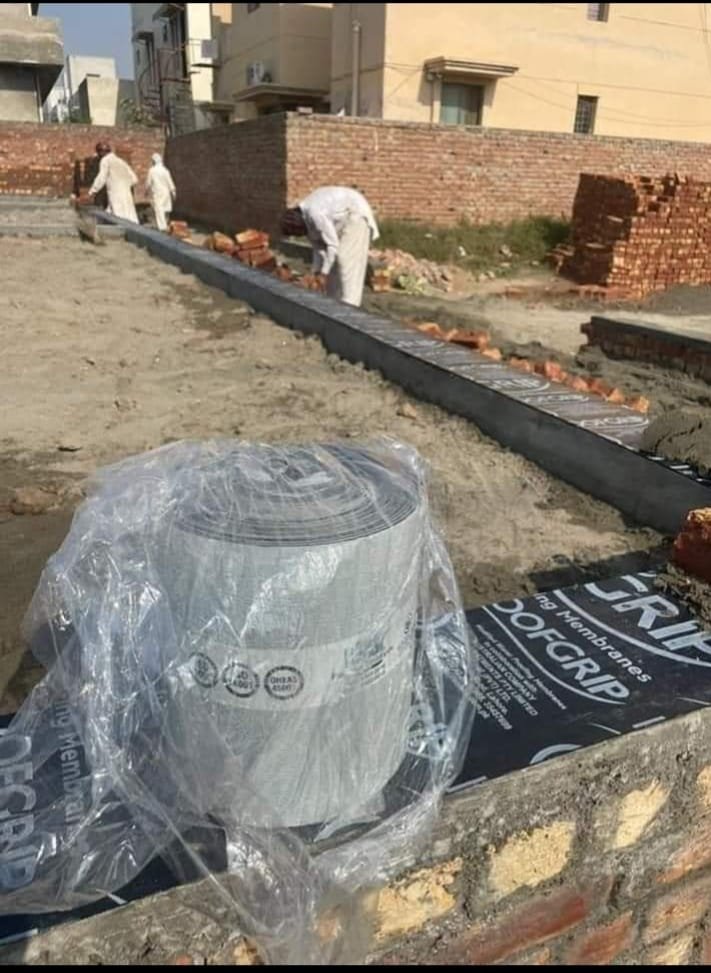
Foundation Waterproofing Products – Complete Guide to Long-Lasting Structural Protection
Foundations are the most critical part of any structure. They carry the entire load of a building and remain in constant contact with soil, groundwater, moisture, and hydrostatic pressure. Without proper protection, foundations are highly vulnerable to water ingress, dampness, cracks, corrosion, and long-term structural failure.
Foundation waterproofing products are specially engineered solutions designed to protect below-ground structures from moisture penetration and water pressure. Whether it is a residential house, commercial plaza, industrial facility, basement, or infrastructure project, high-quality foundation waterproofing ensures durability, safety, and reduced maintenance costs.
This in-depth guide explains foundation waterproofing products, technologies, applications, benefits, and future trends, helping you choose the right solution for long-term building performance.
Why Foundation Waterproofing Is Essential
Foundations are exposed to multiple sources of moisture:
-
Groundwater seepage
-
Rainwater accumulation
-
Capillary rise from soil
-
Poor drainage systems
-
Hydrostatic pressure
If left unprotected, moisture causes:
-
Cracks in concrete
-
Basement leakage
-
Mold and fungal growth
-
Corrosion of steel reinforcement
-
Weakening of structural integrity
Foundation waterproofing products create a protective barrier that prevents water penetration and preserves the building’s strength for decades.
Common Causes of Foundation Water Problems
Understanding the causes helps in selecting the right waterproofing system:
-
High water table
-
Poor soil drainage
-
Inadequate construction joints
-
Shrinkage cracks in concrete
-
Absence of damp proof course (DPC)
Advanced foundation waterproofing products are designed to address all these challenges effectively.
Types of Foundation Waterproofing Products
1. Cementitious Waterproofing Products
Cementitious waterproofing is one of the most commonly used foundation waterproofing systems, especially for new construction.
Key Features:
-
Cement-based formulation
-
Easy application
-
Excellent adhesion to concrete
-
Suitable for positive and negative side waterproofing
Applications:
-
Footings
-
Foundation walls
-
Basements
-
Water tanks
Advantages:
-
Cost-effective
-
Durable
-
Compatible with concrete substrates
2. Crystalline Waterproofing Products
Crystalline waterproofing works by forming insoluble crystals inside concrete pores and capillaries, permanently blocking water paths.
Key Features:
-
Integral waterproofing
-
Self-healing of micro-cracks
-
Resistant to hydrostatic pressure
Applications:
-
Foundations
-
Raft slabs
-
Basement retaining walls
-
Underground structures
Advantages:
-
Permanent protection
-
No peeling or delamination
-
Works from inside the concrete
3. Bituminous Waterproofing Products
Bitumen-based waterproofing has been used for decades and remains effective when properly modified.
Types:
-
Bitumen coatings
-
Bituminous membranes
-
APP and SBS modified sheets
Applications:
-
Foundation walls
-
Retaining walls
-
Underground slabs
Advantages:
-
High water resistance
-
Good adhesion
-
Flexible with polymer modification
4. Polyurethane (PU) Waterproofing Products
PU waterproofing products are high-performance solutions offering flexibility and durability.
Key Features:
-
Seamless membrane
-
High crack-bridging ability
-
Resistant to chemicals and moisture
Applications:
-
Foundation slabs
-
Basement floors
-
Expansion joints
Advantages:
-
Long service life
-
Excellent elasticity
-
High resistance to water pressure
5. Liquid-Applied Waterproofing Membranes
Liquid membranes cure to form a joint-free waterproof layer, ideal for complex foundation shapes.
Types:
-
Acrylic membranes
-
Elastomeric coatings
-
Liquid rubber systems
Applications:
-
Irregular foundation surfaces
-
Basement walls
-
Podium slabs
Advantages:
-
Seamless protection
-
Easy application
-
Strong bonding
6. HDPE and PVC Waterproofing Membranes
Pre-formed membranes provide physical waterproofing protection for foundations.
Key Features:
-
High tensile strength
-
Chemical resistance
-
Long service life
Applications:
-
Deep foundations
-
Raft foundations
-
Infrastructure projects
Advantages:
-
Consistent thickness
-
Strong mechanical resistance
-
Ideal for aggressive soil conditions
7. Injection Waterproofing Systems
Injection waterproofing is used for repairing existing foundation leaks.
Types:
-
PU injection grouts
-
Acrylic injection gels
-
Epoxy injection systems
Applications:
-
Cracks in foundation walls
-
Construction joints
-
Active water leaks
Advantages:
-
Effective repair solution
-
Stops active seepage
-
Restores structural integrity
Foundation Waterproofing Methods
Positive-Side Waterproofing
Applied on the external side of the foundation, directly blocking water entry.
Negative-Side Waterproofing
Applied on the internal side, resisting water pressure after penetration.
Integral Waterproofing
Added directly to concrete during mixing, providing internal protection.
A combination of these methods offers maximum protection.
Applications of Foundation Waterproofing Products
Residential Buildings
-
Houses
-
Villas
-
Basements
Commercial Structures
-
Shopping malls
-
Office buildings
-
Parking basements
Industrial Projects
-
Factories
-
Warehouses
-
Power plants
Infrastructure
-
Bridges
-
Tunnels
-
Underground utilities
Benefits of Foundation Waterproofing Products
-
Prevents Water Ingress
-
Enhances Structural Durability
-
Protects Steel Reinforcement from Corrosion
-
Reduces Maintenance Costs
-
Improves Indoor Air Quality
-
Increases Property Value
-
Extends Building Life Span
Foundation Waterproofing for Basements
Basements are the most vulnerable areas to water damage. Proper waterproofing includes:
-
Crystalline waterproofing in concrete
-
External membranes
-
Drainage boards
-
Injection grouting for joints
A well-designed basement waterproofing system ensures dry, usable spaces.
Global Standards and Quality Compliance
High-quality foundation waterproofing products comply with:
-
ISO quality standards
-
ASTM testing methods
-
EN European norms
-
Green building requirements
Compliance ensures performance, safety, and long-term reliability.
Choosing the Right Foundation Waterproofing Product
Key factors to consider:
-
Soil condition and water table
-
Type of foundation
-
Exposure to hydrostatic pressure
-
Budget and lifecycle cost
-
New construction vs. repair work
Professional assessment ensures the right product selection.
Common Foundation Waterproofing Mistakes
-
Skipping surface preparation
-
Using low-quality materials
-
Ignoring drainage systems
-
Poor detailing at joints
-
Inadequate curing
Avoiding these mistakes ensures successful waterproofing performance.
Future Trends in Foundation Waterproofing
-
Self-healing waterproofing technologies
-
Nano-based hydrophobic coatings
-
Hybrid waterproofing systems
-
Eco-friendly, low-VOC products
-
Smart waterproofing with moisture sensors
These innovations are transforming modern construction practices.
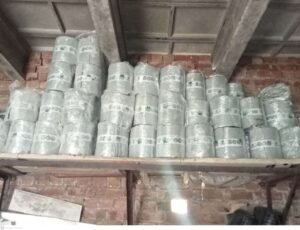
Foundation Waterproofing Products – Complete Guide to Long-Lasting Structural Protection
Foundations are the most critical part of any structure. They carry the entire load of a building and remain in constant contact with soil, groundwater, moisture, and hydrostatic pressure. Without proper protection, foundations are highly vulnerable to water ingress, dampness, cracks, corrosion, and long-term structural failure.
Foundation waterproofing products are specially engineered solutions designed to protect below-ground structures from moisture penetration and water pressure. Whether it is a residential house, commercial plaza, industrial facility, basement, or infrastructure project, high-quality foundation waterproofing ensures durability, safety, and reduced maintenance costs.
This in-depth guide explains foundation waterproofing products, technologies, applications, benefits, and future trends, helping you choose the right solution for long-term building performance.
Why Foundation Waterproofing Is Essential
Foundations are exposed to multiple sources of moisture:
-
Groundwater seepage
-
Rainwater accumulation
-
Capillary rise from soil
-
Poor drainage systems
-
Hydrostatic pressure
If left unprotected, moisture causes:
-
Cracks in concrete
-
Basement leakage
-
Mold and fungal growth
-
Corrosion of steel reinforcement
-
Weakening of structural integrity
Foundation waterproofing products create a protective barrier that prevents water penetration and preserves the building’s strength for decades.
Common Causes of Foundation Water Problems
Understanding the causes helps in selecting the right waterproofing system:
-
High water table
-
Poor soil drainage
-
Inadequate construction joints
-
Shrinkage cracks in concrete
-
Absence of damp proof course (DPC)
Advanced foundation waterproofing products are designed to address all these challenges effectively.
Types of Foundation Waterproofing Products
1. Cementitious Waterproofing Products
Cementitious waterproofing is one of the most commonly used foundation waterproofing systems, especially for new construction.
Key Features:
-
Cement-based formulation
-
Easy application
-
Excellent adhesion to concrete
-
Suitable for positive and negative side waterproofing
Applications:
-
Footings
-
Foundation walls
-
Basements
-
Water tanks
Advantages:
-
Cost-effective
-
Durable
-
Compatible with concrete substrates
2. Crystalline Waterproofing Products
Crystalline waterproofing works by forming insoluble crystals inside concrete pores and capillaries, permanently blocking water paths.
Key Features:
-
Integral waterproofing
-
Self-healing of micro-cracks
-
Resistant to hydrostatic pressure
Applications:
-
Foundations
-
Raft slabs
-
Basement retaining walls
-
Underground structures
Advantages:
-
Permanent protection
-
No peeling or delamination
-
Works from inside the concrete
3. Bituminous Waterproofing Products
Bitumen-based waterproofing has been used for decades and remains effective when properly modified.
Types:
-
Bitumen coatings
-
Bituminous membranes
-
APP and SBS modified sheets
Applications:
-
Foundation walls
-
Retaining walls
-
Underground slabs
Advantages:
-
High water resistance
-
Good adhesion
-
Flexible with polymer modification
4. Polyurethane (PU) Waterproofing Products
PU waterproofing products are high-performance solutions offering flexibility and durability.
Key Features:
-
Seamless membrane
-
High crack-bridging ability
-
Resistant to chemicals and moisture
Applications:
-
Foundation slabs
-
Basement floors
-
Expansion joints
Advantages:
-
Long service life
-
Excellent elasticity
-
High resistance to water pressure
5. Liquid-Applied Waterproofing Membranes
Liquid membranes cure to form a joint-free waterproof layer, ideal for complex foundation shapes.
Types:
-
Acrylic membranes
-
Elastomeric coatings
-
Liquid rubber systems
Applications:
-
Irregular foundation surfaces
-
Basement walls
-
Podium slabs
Advantages:
-
Seamless protection
-
Easy application
-
Strong bonding
6. HDPE and PVC Waterproofing Membranes
Pre-formed membranes provide physical waterproofing protection for foundations.
Key Features:
-
High tensile strength
-
Chemical resistance
-
Long service life
Applications:
-
Deep foundations
-
Raft foundations
-
Infrastructure projects
Advantages:
-
Consistent thickness
-
Strong mechanical resistance
-
Ideal for aggressive soil conditions
7. Injection Waterproofing Systems
Injection waterproofing is used for repairing existing foundation leaks.
Types:
-
PU injection grouts
-
Acrylic injection gels
-
Epoxy injection systems
Applications:
-
Cracks in foundation walls
-
Construction joints
-
Active water leaks
Advantages:
-
Effective repair solution
-
Stops active seepage
-
Restores structural integrity
Foundation Waterproofing Methods
Positive-Side Waterproofing
Applied on the external side of the foundation, directly blocking water entry.
Negative-Side Waterproofing
Applied on the internal side, resisting water pressure after penetration.
Integral Waterproofing
Added directly to concrete during mixing, providing internal protection.
A combination of these methods offers maximum protection.
Applications of Foundation Waterproofing Products
Residential Buildings
-
Houses
-
Villas
-
Basements
Commercial Structures
-
Shopping malls
-
Office buildings
-
Parking basements
Industrial Projects
-
Factories
-
Warehouses
-
Power plants
Infrastructure
-
Bridges
-
Tunnels
-
Underground utilities
Benefits of Foundation Waterproofing Products
-
Prevents Water Ingress
-
Enhances Structural Durability
-
Protects Steel Reinforcement from Corrosion
-
Reduces Maintenance Costs
-
Improves Indoor Air Quality
-
Increases Property Value
-
Extends Building Life Span
Foundation Waterproofing for Basements
Basements are the most vulnerable areas to water damage. Proper waterproofing includes:
-
Crystalline waterproofing in concrete
-
External membranes
-
Drainage boards
-
Injection grouting for joints
A well-designed basement waterproofing system ensures dry, usable spaces.
Global Standards and Quality Compliance
High-quality foundation waterproofing products comply with:
-
ISO quality standards
-
ASTM testing methods
-
EN European norms
-
Green building requirements
Compliance ensures performance, safety, and long-term reliability.
Choosing the Right Foundation Waterproofing Product
Key factors to consider:
-
Soil condition and water table
-
Type of foundation
-
Exposure to hydrostatic pressure
-
Budget and lifecycle cost
-
New construction vs. repair work
Professional assessment ensures the right product selection.
Common Foundation Waterproofing Mistakes
-
Skipping surface preparation
-
Using low-quality materials
-
Ignoring drainage systems
-
Poor detailing at joints
-
Inadequate curing
Avoiding these mistakes ensures successful waterproofing performance.
Future Trends in Foundation Waterproofing
-
Self-healing waterproofing technologies
-
Nano-based hydrophobic coatings
-
Hybrid waterproofing systems
-
Eco-friendly, low-VOC products
-
Smart waterproofing with moisture sensors
These innovations are transforming modern construction practices.
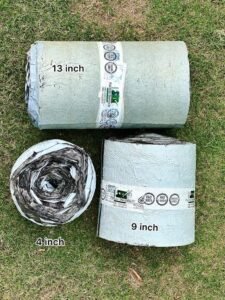
Foundation Waterproofing Products – Complete Guide to Long-Lasting Structural Protection
Foundations are the most critical part of any structure. They carry the entire load of a building and remain in constant contact with soil, groundwater, moisture, and hydrostatic pressure. Without proper protection, foundations are highly vulnerable to water ingress, dampness, cracks, corrosion, and long-term structural failure.
Foundation waterproofing products are specially engineered solutions designed to protect below-ground structures from moisture penetration and water pressure. Whether it is a residential house, commercial plaza, industrial facility, basement, or infrastructure project, high-quality foundation waterproofing ensures durability, safety, and reduced maintenance costs.
This in-depth guide explains foundation waterproofing products, technologies, applications, benefits, and future trends, helping you choose the right solution for long-term building performance.
Why Foundation Waterproofing Is Essential
Foundations are exposed to multiple sources of moisture:
-
Groundwater seepage
-
Rainwater accumulation
-
Capillary rise from soil
-
Poor drainage systems
-
Hydrostatic pressure
If left unprotected, moisture causes:
-
Cracks in concrete
-
Basement leakage
-
Mold and fungal growth
-
Corrosion of steel reinforcement
-
Weakening of structural integrity
Foundation waterproofing products create a protective barrier that prevents water penetration and preserves the building’s strength for decades.
Common Causes of Foundation Water Problems
Understanding the causes helps in selecting the right waterproofing system:
-
High water table
-
Poor soil drainage
-
Inadequate construction joints
-
Shrinkage cracks in concrete
-
Absence of damp proof course (DPC)
Advanced foundation waterproofing products are designed to address all these challenges effectively.
Types of Foundation Waterproofing Products
1. Cementitious Waterproofing Products
Cementitious waterproofing is one of the most commonly used foundation waterproofing systems, especially for new construction.
Key Features:
-
Cement-based formulation
-
Easy application
-
Excellent adhesion to concrete
-
Suitable for positive and negative side waterproofing
Applications:
-
Footings
-
Foundation walls
-
Basements
-
Water tanks
Advantages:
-
Cost-effective
-
Durable
-
Compatible with concrete substrates
2. Crystalline Waterproofing Products
Crystalline waterproofing works by forming insoluble crystals inside concrete pores and capillaries, permanently blocking water paths.
Key Features:
-
Integral waterproofing
-
Self-healing of micro-cracks
-
Resistant to hydrostatic pressure
Applications:
-
Foundations
-
Raft slabs
-
Basement retaining walls
-
Underground structures
Advantages:
-
Permanent protection
-
No peeling or delamination
-
Works from inside the concrete
3. Bituminous Waterproofing Products
Bitumen-based waterproofing has been used for decades and remains effective when properly modified.
Types:
-
Bitumen coatings
-
Bituminous membranes
-
APP and SBS modified sheets
Applications:
-
Foundation walls
-
Retaining walls
-
Underground slabs
Advantages:
-
High water resistance
-
Good adhesion
-
Flexible with polymer modification
4. Polyurethane (PU) Waterproofing Products
PU waterproofing products are high-performance solutions offering flexibility and durability.
Key Features:
-
Seamless membrane
-
High crack-bridging ability
-
Resistant to chemicals and moisture
Applications:
-
Foundation slabs
-
Basement floors
-
Expansion joints
Advantages:
-
Long service life
-
Excellent elasticity
-
High resistance to water pressure
5. Liquid-Applied Waterproofing Membranes
Liquid membranes cure to form a joint-free waterproof layer, ideal for complex foundation shapes.
Types:
-
Acrylic membranes
-
Elastomeric coatings
-
Liquid rubber systems
Applications:
-
Irregular foundation surfaces
-
Basement walls
-
Podium slabs
Advantages:
-
Seamless protection
-
Easy application
-
Strong bonding
6. HDPE and PVC Waterproofing Membranes
Pre-formed membranes provide physical waterproofing protection for foundations.
Key Features:
-
High tensile strength
-
Chemical resistance
-
Long service life
Applications:
-
Deep foundations
-
Raft foundations
-
Infrastructure projects
Advantages:
-
Consistent thickness
-
Strong mechanical resistance
-
Ideal for aggressive soil conditions
7. Injection Waterproofing Systems
Injection waterproofing is used for repairing existing foundation leaks.
Types:
-
PU injection grouts
-
Acrylic injection gels
-
Epoxy injection systems
Applications:
-
Cracks in foundation walls
-
Construction joints
-
Active water leaks
Advantages:
-
Effective repair solution
-
Stops active seepage
-
Restores structural integrity
Foundation Waterproofing Methods
Positive-Side Waterproofing
Applied on the external side of the foundation, directly blocking water entry.
Negative-Side Waterproofing
Applied on the internal side, resisting water pressure after penetration.
Integral Waterproofing
Added directly to concrete during mixing, providing internal protection.
A combination of these methods offers maximum protection.
Applications of Foundation Waterproofing Products
Residential Buildings
-
Houses
-
Villas
-
Basements
Commercial Structures
-
Shopping malls
-
Office buildings
-
Parking basements
Industrial Projects
-
Factories
-
Warehouses
-
Power plants
Infrastructure
-
Bridges
-
Tunnels
-
Underground utilities
Benefits of Foundation Waterproofing Products
-
Prevents Water Ingress
-
Enhances Structural Durability
-
Protects Steel Reinforcement from Corrosion
-
Reduces Maintenance Costs
-
Improves Indoor Air Quality
-
Increases Property Value
-
Extends Building Life Span
Foundation Waterproofing for Basements
Basements are the most vulnerable areas to water damage. Proper waterproofing includes:
-
Crystalline waterproofing in concrete
-
External membranes
-
Drainage boards
-
Injection grouting for joints
A well-designed basement waterproofing system ensures dry, usable spaces.
Global Standards and Quality Compliance
High-quality foundation waterproofing products comply with:
-
ISO quality standards
-
ASTM testing methods
-
EN European norms
-
Green building requirements
Compliance ensures performance, safety, and long-term reliability.
Choosing the Right Foundation Waterproofing Product
Key factors to consider:
-
Soil condition and water table
-
Type of foundation
-
Exposure to hydrostatic pressure
-
Budget and lifecycle cost
-
New construction vs. repair work
Professional assessment ensures the right product selection.
Common Foundation Waterproofing Mistakes
-
Skipping surface preparation
-
Using low-quality materials
-
Ignoring drainage systems
-
Poor detailing at joints
-
Inadequate curing
Avoiding these mistakes ensures successful waterproofing performance.
Future Trends in Foundation Waterproofing
-
Self-healing waterproofing technologies
-
Nano-based hydrophobic coatings
-
Hybrid waterproofing systems
-
Eco-friendly, low-VOC products
-
Smart waterproofing with moisture sensors
These innovations are transforming modern construction practices.
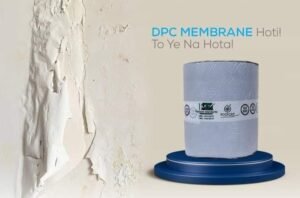
Foundation Waterproofing Products – Complete Guide to Long-Lasting Structural Protection
Foundations are the most critical part of any structure. They carry the entire load of a building and remain in constant contact with soil, groundwater, moisture, and hydrostatic pressure. Without proper protection, foundations are highly vulnerable to water ingress, dampness, cracks, corrosion, and long-term structural failure.
Foundation waterproofing products are specially engineered solutions designed to protect below-ground structures from moisture penetration and water pressure. Whether it is a residential house, commercial plaza, industrial facility, basement, or infrastructure project, high-quality foundation waterproofing ensures durability, safety, and reduced maintenance costs.
This in-depth guide explains foundation waterproofing products, technologies, applications, benefits, and future trends, helping you choose the right solution for long-term building performance.
Why Foundation Waterproofing Is Essential
Foundations are exposed to multiple sources of moisture:
-
Groundwater seepage
-
Rainwater accumulation
-
Capillary rise from soil
-
Poor drainage systems
-
Hydrostatic pressure
If left unprotected, moisture causes:
-
Cracks in concrete
-
Basement leakage
-
Mold and fungal growth
-
Corrosion of steel reinforcement
-
Weakening of structural integrity
Foundation waterproofing products create a protective barrier that prevents water penetration and preserves the building’s strength for decades.
Common Causes of Foundation Water Problems
Understanding the causes helps in selecting the right waterproofing system:
-
High water table
-
Poor soil drainage
-
Inadequate construction joints
-
Shrinkage cracks in concrete
-
Absence of damp proof course (DPC)
Advanced foundation waterproofing products are designed to address all these challenges effectively.
Types of Foundation Waterproofing Products
1. Cementitious Waterproofing Products
Cementitious waterproofing is one of the most commonly used foundation waterproofing systems, especially for new construction.
Key Features:
-
Cement-based formulation
-
Easy application
-
Excellent adhesion to concrete
-
Suitable for positive and negative side waterproofing
Applications:
-
Footings
-
Foundation walls
-
Basements
-
Water tanks
Advantages:
-
Cost-effective
-
Durable
-
Compatible with concrete substrates
2. Crystalline Waterproofing Products
Crystalline waterproofing works by forming insoluble crystals inside concrete pores and capillaries, permanently blocking water paths.
Key Features:
-
Integral waterproofing
-
Self-healing of micro-cracks
-
Resistant to hydrostatic pressure
Applications:
-
Foundations
-
Raft slabs
-
Basement retaining walls
-
Underground structures
Advantages:
-
Permanent protection
-
No peeling or delamination
-
Works from inside the concrete
3. Bituminous Waterproofing Products
Bitumen-based waterproofing has been used for decades and remains effective when properly modified.
Types:
-
Bitumen coatings
-
Bituminous membranes
-
APP and SBS modified sheets
Applications:
-
Foundation walls
-
Retaining walls
-
Underground slabs
Advantages:
-
High water resistance
-
Good adhesion
-
Flexible with polymer modification
4. Polyurethane (PU) Waterproofing Products
PU waterproofing products are high-performance solutions offering flexibility and durability.
Key Features:
-
Seamless membrane
-
High crack-bridging ability
-
Resistant to chemicals and moisture
Applications:
-
Foundation slabs
-
Basement floors
-
Expansion joints
Advantages:
-
Long service life
-
Excellent elasticity
-
High resistance to water pressure
5. Liquid-Applied Waterproofing Membranes
Liquid membranes cure to form a joint-free waterproof layer, ideal for complex foundation shapes.
Types:
-
Acrylic membranes
-
Elastomeric coatings
-
Liquid rubber systems
Applications:
-
Irregular foundation surfaces
-
Basement walls
-
Podium slabs
Advantages:
-
Seamless protection
-
Easy application
-
Strong bonding
6. HDPE and PVC Waterproofing Membranes
Pre-formed membranes provide physical waterproofing protection for foundations.
Key Features:
-
High tensile strength
-
Chemical resistance
-
Long service life
Applications:
-
Deep foundations
-
Raft foundations
-
Infrastructure projects
Advantages:
-
Consistent thickness
-
Strong mechanical resistance
-
Ideal for aggressive soil conditions
7. Injection Waterproofing Systems
Injection waterproofing is used for repairing existing foundation leaks.
Types:
-
PU injection grouts
-
Acrylic injection gels
-
Epoxy injection systems
Applications:
-
Cracks in foundation walls
-
Construction joints
-
Active water leaks
Advantages:
-
Effective repair solution
-
Stops active seepage
-
Restores structural integrity
Foundation Waterproofing Methods
Positive-Side Waterproofing
Applied on the external side of the foundation, directly blocking water entry.
Negative-Side Waterproofing
Applied on the internal side, resisting water pressure after penetration.
Integral Waterproofing
Added directly to concrete during mixing, providing internal protection.
A combination of these methods offers maximum protection.
Applications of Foundation Waterproofing Products
Residential Buildings
-
Houses
-
Villas
-
Basements
Commercial Structures
-
Shopping malls
-
Office buildings
-
Parking basements
Industrial Projects
-
Factories
-
Warehouses
-
Power plants
Infrastructure
-
Bridges
-
Tunnels
-
Underground utilities
Benefits of Foundation Waterproofing Products
-
Prevents Water Ingress
-
Enhances Structural Durability
-
Protects Steel Reinforcement from Corrosion
-
Reduces Maintenance Costs
-
Improves Indoor Air Quality
-
Increases Property Value
-
Extends Building Life Span
Foundation Waterproofing for Basements
Basements are the most vulnerable areas to water damage. Proper waterproofing includes:
-
Crystalline waterproofing in concrete
-
External membranes
-
Drainage boards
-
Injection grouting for joints
A well-designed basement waterproofing system ensures dry, usable spaces.
Global Standards and Quality Compliance
High-quality foundation waterproofing products comply with:
-
ISO quality standards
-
ASTM testing methods
-
EN European norms
-
Green building requirements
Compliance ensures performance, safety, and long-term reliability.
Choosing the Right Foundation Waterproofing Product
Key factors to consider:
-
Soil condition and water table
-
Type of foundation
-
Exposure to hydrostatic pressure
-
Budget and lifecycle cost
-
New construction vs. repair work
Professional assessment ensures the right product selection.
Common Foundation Waterproofing Mistakes
-
Skipping surface preparation
-
Using low-quality materials
-
Ignoring drainage systems
-
Poor detailing at joints
-
Inadequate curing
Avoiding these mistakes ensures successful waterproofing performance.
Future Trends in Foundation Waterproofing
-
Self-healing waterproofing technologies
-
Nano-based hydrophobic coatings
-
Hybrid waterproofing systems
-
Eco-friendly, low-VOC products
-
Smart waterproofing with moisture sensors
These innovations are transforming modern construction practices.