Original price was: ₨ 6,000.₨ 5,500Current price is: ₨ 5,500.
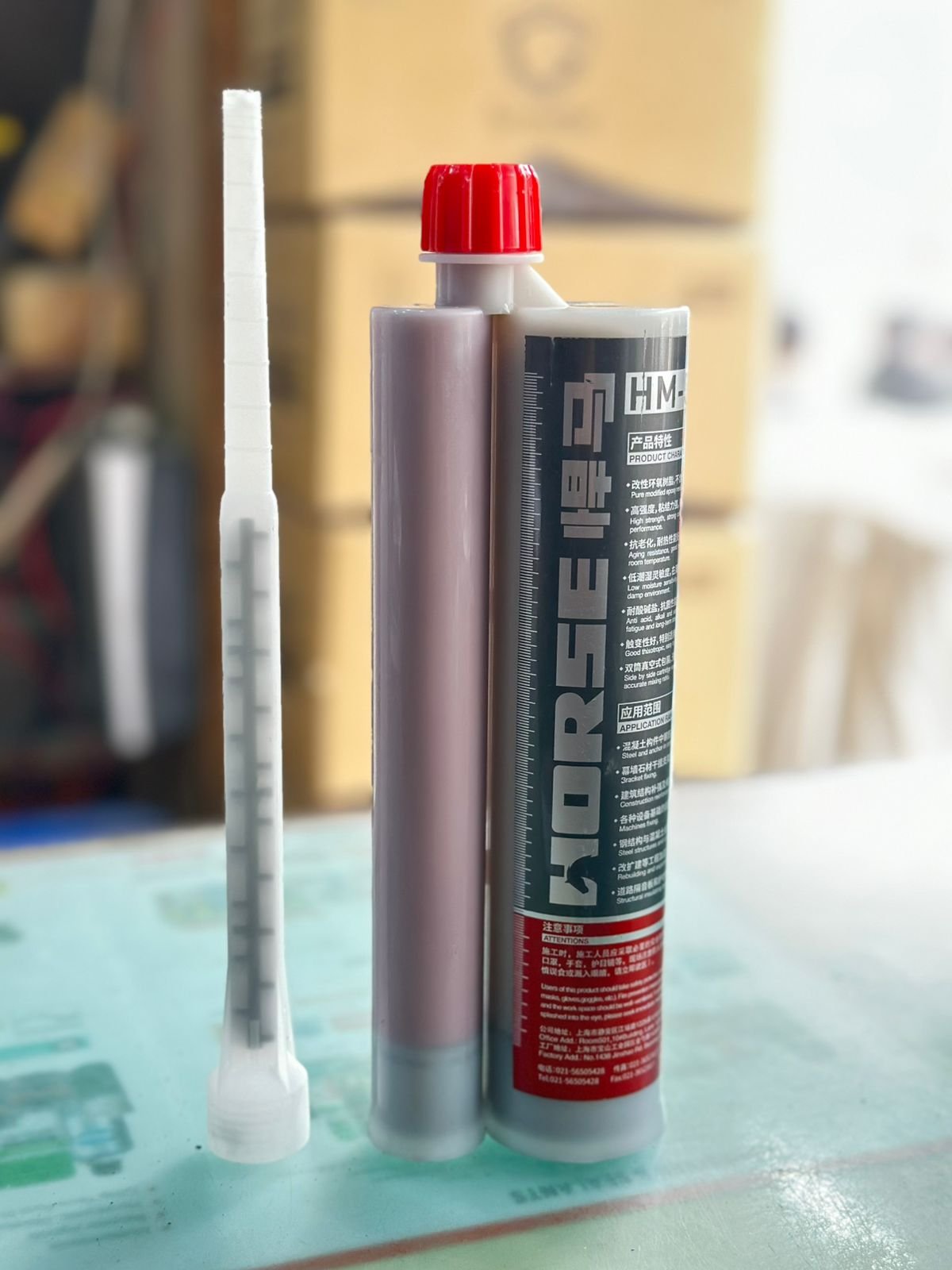
Robust Horse Epoxy Anchors – Heavy-Duty Chemical Anchoring Solution for Strong Concrete Fixing
When construction projects require a secure and dependable connection between new and existing concrete, ordinary mechanical fixing methods may not always provide the required performance. Robust Horse Epoxy Anchors offer a heavy-duty chemical anchoring solution designed for strong and reliable fixing applications in concrete and masonry.
Chemical anchoring is widely used in modern construction where engineers, contractors, fabricators, and installers need to secure threaded rods, reinforcement bars, steel components, brackets, machinery supports, and other structural elements. By using a suitable epoxy anchoring system, loads can be transferred effectively into the base material when the system is correctly designed, installed, and cured.
Robust Horse Epoxy Anchors are suitable for a wide range of construction, renovation, repair, and structural fixing applications. They can be considered for projects involving concrete columns, beams, slabs, walls, foundations, equipment bases, steel structures, and other areas where dependable anchoring is required.
For more information about Robust construction chemicals and waterproofing solutions, visit the Robust Construction Chemicals website.
What Are Horse Epoxy Anchors?
Horse Epoxy Anchors are chemical anchoring materials used to create strong connections between an anchor element and a solid base material such as concrete or suitable masonry.
Unlike conventional expansion anchors, which rely primarily on mechanical expansion inside a drilled hole, chemical anchors use a resin-based bonding system. The resin fills the space around the inserted threaded rod, reinforcing bar, or approved anchor element and creates a bonded connection after curing.
This method can be especially useful when a project requires controlled fixing without relying heavily on expansion pressure.
A properly selected and installed chemical anchor can provide reliable performance for applications such as:
- Threaded rod anchoring.
- Rebar doweling.
- Steel plate fixing.
- Structural connections.
- Equipment installation.
- Bracket installation.
- Handrail and railing fixing.
- Concrete repair connections.
- Machinery support installation.
- Renovation and strengthening work.
The actual load capacity depends on the product formulation, anchor diameter, embedment depth, concrete strength, edge distance, spacing, hole condition, installation method, curing conditions, and engineering design.
Why Choose Robust Horse Epoxy Anchors?
A chemical anchoring system should be selected according to the requirements of the project rather than simply choosing an adhesive based on price.
Robust Horse Epoxy Anchors are positioned as a professional construction solution for applications where strong bonding and dependable fixing are important.
Strong Bonding Performance
The epoxy-based anchoring principle allows the adhesive to bond the anchor element to the surrounding substrate. This creates a continuous bonded connection rather than depending solely on mechanical expansion.
Suitable for Structural Fixing
Chemical anchoring is commonly considered for structural and semi-structural applications where conventional fixing methods may not be ideal.
Depending on engineering requirements, applications can include rebar connections, threaded rods, steel brackets, support frames, and other components.
Reduced Expansion Pressure
One advantage of chemical anchoring is that the fixing system does not depend on the same type of expansion mechanism used by many mechanical anchors.
This can be beneficial when working close to edges or in situations where excessive expansion forces could be undesirable. However, minimum edge distances and design requirements must still be followed.
Versatile Construction Applications
A suitable epoxy anchor can be used for both new construction and renovation work.
Contractors can use chemical anchoring systems when adding structural components to existing concrete or when connecting new elements to an existing structure.
How Chemical Anchoring Works
Understanding the basic anchoring process helps contractors achieve better installation results.
The process normally involves drilling a hole to the required diameter and depth, cleaning the hole thoroughly, injecting the approved epoxy anchoring material, inserting the anchor element correctly, allowing the adhesive to cure, and then applying the load according to the manufacturer’s installation requirements.
Step 1 – Drill the Hole
The first stage is drilling a hole into the concrete or approved substrate.
The diameter and depth should correspond to the selected anchor system and the engineering design.
Incorrect hole dimensions can reduce anchoring performance.
Step 2 – Clean the Hole
Hole cleaning is one of the most important steps in chemical anchoring.
Dust, loose particles, drilling debris, oil, moisture, or other contaminants can interfere with bonding.
The hole should therefore be cleaned according to the product’s technical instructions.
Step 3 – Prepare the Epoxy
The anchoring resin should be prepared and mixed according to the manufacturer’s instructions.
For two-component systems, the resin and hardener must be properly combined to achieve the designed curing reaction.
Step 4 – Inject the Adhesive
The epoxy anchoring material is injected into the prepared hole.
The quantity should be sufficient to create the required bond around the anchor element without causing unnecessary wastage or improper filling.
Step 5 – Insert the Anchor
The threaded rod, reinforcement bar, or approved anchor element is inserted into the filled hole using the recommended procedure.
Proper positioning and embedment depth are essential.
Step 6 – Allow Proper Curing
The adhesive must be allowed to cure before the connection is loaded.
Curing time can vary according to the product formulation, temperature, substrate condition, and other environmental factors.
Step 7 – Apply the Load
Once the epoxy has achieved the required cure, the anchored component can be installed and loaded according to the approved engineering design and product instructions.
Applications of Horse Epoxy Anchors
Robust Horse Epoxy Anchors can be considered for many construction and industrial fixing requirements.
Concrete Rebar Doweling
One important application of chemical anchoring is installing reinforcement bars into existing concrete.
This can be useful during structural modifications, extensions, renovation projects, and concrete repair work.
The engineer should determine the required bar diameter, embedment depth, spacing, and load requirements.
Threaded Rod Installation
Chemical anchors can be used to secure threaded rods into concrete for various structural and non-structural installations.
Threaded rods may be used with brackets, steel frames, supports, equipment, cable systems, and other components.
Steel Structure Fixing
Steel plates, brackets, frames, and support components can require secure connections to concrete.
A properly designed chemical anchor can provide a strong bonded connection between the steel component and the concrete substrate.
Machinery and Equipment Supports
Industrial equipment often requires stable fixing to concrete floors or foundations.
Chemical anchoring can be considered for machinery bases, equipment supports, mounting brackets, and similar installations where reliable fixing is required.
Handrails and Guardrails
Handrails, barriers, safety rails, and similar components may be anchored into concrete structures.
Proper anchor selection and installation are important because these components can experience repeated loads and movement.
Concrete Repair and Strengthening
During repair and strengthening projects, new reinforcement or steel components may need to be connected to existing concrete.
Chemical anchoring provides one possible method for creating these connections.
Renovation Projects
Older buildings may require new fixtures, supports, extensions, or structural modifications.
Chemical anchors can be useful where contractors need to connect new components to existing concrete.
Horse Epoxy Anchors for Concrete
Concrete is one of the most common substrates used for chemical anchoring.
The quality and condition of the concrete can have a significant effect on anchor performance.
Factors that should be considered include:
- Concrete compressive strength.
- Concrete age and condition.
- Cracks in the substrate.
- Hole diameter.
- Hole depth.
- Anchor diameter.
- Embedment depth.
- Edge distance.
- Anchor spacing.
- Temperature.
- Moisture conditions.
- Installation quality.
A high-quality adhesive cannot compensate for poor substrate conditions or incorrect installation.
For critical structural applications, anchor design should be carried out by a qualified engineer.
Horse Epoxy Anchors for Rebar Fixing
Post-installed reinforcement is an important part of many construction and renovation projects.
When an existing concrete structure needs to be connected to new concrete, reinforcement bars may need to be installed into drilled holes.
A chemical anchoring system can provide the bonding mechanism required for this type of connection.
Typical applications may include:
- Concrete extensions.
- New beam connections.
- Column strengthening.
- Slab extensions.
- Wall connections.
- Structural repair.
- Foundation modifications.
- Staircase connections.
- Reinforcement doweling.
The required embedment depth should never be selected randomly. It should be determined according to engineering calculations, applicable standards, substrate conditions, and the technical data of the anchoring system.
Horse Epoxy Anchors for Threaded Rods
Threaded rods are widely used in construction and industrial installation.
Chemical anchoring provides a practical way of securing threaded rods inside concrete.
Potential applications include:
- Steel brackets.
- Pipe supports.
- Equipment frames.
- Cable tray supports.
- HVAC supports.
- Structural fixtures.
- Sign supports.
- Railing systems.
- Mechanical installations.
The correct hole diameter, embedment depth, resin quantity, curing time, and installation method should always be followed.
Benefits of Chemical Anchoring
Chemical anchoring offers several practical benefits when compared with certain conventional fixing methods.
High Bonding Capability
Epoxy-based systems are designed to create a strong adhesive connection between the anchor and substrate.
Flexible Installation Options
Chemical anchoring can be used with different anchor elements depending on the product and project requirements.
Suitable for Renovation
Existing concrete structures can often be difficult to modify using conventional methods.
Chemical anchors can provide a useful solution for installing new reinforcement and fixtures.
Less Mechanical Expansion
Because the connection is created through adhesive bonding, the system can reduce dependence on mechanical expansion forces.
This can be useful in specific installation conditions.
Suitable for Heavy-Duty Applications
Professional chemical anchoring systems can be considered for demanding construction and industrial applications when properly designed and installed.
Important Factors Affecting Anchor Performance
Choosing the right adhesive is only one part of successful chemical anchoring.
Several additional factors influence the final performance.
Concrete Quality
Weak, damaged, or deteriorated concrete may not provide sufficient resistance regardless of the adhesive used.
Embedment Depth
Greater embedment does not automatically mean greater capacity in every situation.
The appropriate depth should be determined through engineering design and product data.
Hole Cleaning
Poor cleaning is one of the common causes of reduced adhesive bonding.
Drilling creates dust that can remain on the internal surface of the hole.
Anchor Diameter
The diameter of the threaded rod or reinforcement bar affects the connection design.
Edge Distance
Installing anchors too close to an edge can reduce the capacity of the concrete.
Anchor Spacing
When multiple anchors are installed close together, their load distribution and interaction must be considered.
Temperature
Temperature can influence curing behavior.
The product’s specified application and curing temperatures should always be followed.
Moisture
Some chemical anchoring products are designed for particular dry, damp, or wet-hole conditions.
The installation instructions must be checked before use.
Proper Installation of Robust Horse Epoxy Anchors
Professional installation is essential for achieving reliable anchoring performance.
The following general procedure can be used as a guide, but the manufacturer’s current technical data sheet and installation instructions should take priority.
Mark the Installation Point
Mark the exact location where the anchor is required.
Confirm that the location does not interfere with existing reinforcement, electrical services, plumbing, or other embedded components.
Drill to the Required Depth
Use the appropriate drilling equipment and drill bit.
Maintain the required hole diameter and depth.
Remove Dust and Debris
Clean the hole thoroughly.
Depending on the system, cleaning may involve brushing and blowing or using approved mechanical cleaning equipment.
Check the Cartridge and Mixing System
For two-component epoxy systems, ensure the cartridge, nozzle, and dispensing equipment are correctly installed.
Discard the initial material until the components are properly mixed according to the manufacturer’s instructions.
Fill the Hole Correctly
Inject the resin from the required depth outward to minimize air pockets.
Do not overfill the hole.
Insert the Anchor
Insert the threaded rod or rebar with the recommended twisting motion where applicable.
Make sure the anchor reaches the required embedment depth.
Wait for Full Cure
Do not disturb or load the anchor during the specified curing period.
Curing time depends on temperature and product formulation.
Complete the Fixing
After curing, install the plate, bracket, nut, washer, or other component and tighten according to the specified requirements.
Common Mistakes to Avoid
Even a premium chemical anchor can perform poorly when installation procedures are ignored.
Using an Unclean Hole
Dust and debris can prevent proper contact between the resin and concrete.
Incorrect Hole Size
A hole that is too large or too small can affect the designed bond.
Insufficient Embedment
An anchor installed too shallow may not achieve the intended capacity.
Loading Before Cure
Premature loading can compromise the adhesive connection.
Incorrect Mixing
Two-component products must be properly mixed.
Incomplete mixing can prevent the resin from achieving its intended properties.
Ignoring Concrete Cracks
Cracked and uncracked concrete can behave differently under load.
Critical installations should therefore consider the actual substrate condition.
No Engineering Design for Critical Loads
Chemical anchors should not be treated as a simple one-size-fits-all fixing solution.
Structural applications require appropriate calculations and professional assessment.
Horse Epoxy Anchors in Pakistan
Pakistan’s construction industry includes residential, commercial, industrial, infrastructure, and large-scale development projects.
As construction methods become more advanced, reliable chemical anchoring solutions are increasingly relevant for concrete fixing and structural connection requirements.
Robust Horse Epoxy Anchors in Pakistan can be considered for contractors, builders, civil engineers, fabricators, maintenance teams, and construction professionals looking for a chemical anchoring solution.
The product can be relevant to projects in cities and construction markets including:
- Lahore.
- Islamabad.
- Rawalpindi.
- Karachi.
- Faisalabad.
- Multan.
- Peshawar.
- Gujranwala.
- Sialkot.
- Other areas across Pakistan.
For major structural applications, product selection and installation should always be based on the specific project requirements.
Horse Epoxy Anchors for Residential Construction
Chemical anchoring is not limited to major infrastructure projects.
Residential construction and renovation can also require secure fixing solutions.
Potential residential applications include:
- Stair railings.
- Balcony railings.
- Steel brackets.
- Equipment supports.
- Canopies.
- Concrete repair.
- Structural modifications.
- Heavy-duty fixtures.
- Gate supports.
- Steel frame connections.
The appropriate anchor type should be selected according to the actual load and substrate.
Horse Epoxy Anchors for Commercial Buildings
Commercial buildings often contain mechanical, electrical, structural, and architectural components that require secure attachment to concrete.
Chemical anchoring can be considered for:
- HVAC supports.
- Pipe supports.
- Cable trays.
- Steel structures.
- Equipment bases.
- Safety barriers.
- Handrails.
- Signage supports.
- Service installations.
- Structural modifications.
Proper engineering and installation are particularly important in commercial environments where safety and long-term performance are essential.
Horse Epoxy Anchors for Industrial Applications
Industrial facilities can place demanding requirements on anchoring systems.
Machinery, steel structures, pipework, platforms, supports, and equipment can all require secure connections.
Chemical anchoring can be used in suitable applications where the substrate and loading conditions are compatible with the selected system.
Industrial projects may include:
- Factories.
- Warehouses.
- Manufacturing facilities.
- Power plants.
- Processing facilities.
- Workshops.
- Industrial maintenance projects.
Before installation, the engineer should evaluate vibration, static loads, dynamic loads, temperature, chemicals, and other environmental conditions.
Chemical Anchoring vs Mechanical Anchoring
Both chemical and mechanical anchors have important roles in construction.
Mechanical anchors generally rely on an expansion mechanism or mechanical interlock.
Chemical anchors use adhesive bonding between the anchor element and substrate.
The best option depends on the application.
Chemical anchoring may be advantageous when:
- High bond strength is required.
- Expansion pressure needs to be minimized.
- Existing concrete needs post-installed reinforcement.
- The anchor requires flexible embedment design.
- A bonded connection is preferred.
Mechanical anchors may be preferable in situations where immediate loading is required or where their particular installation characteristics suit the application.
Professional engineers should select the appropriate system based on project requirements.
Compatibility With Construction Materials
Chemical anchoring systems can be used alongside many construction materials and systems.
Depending on the application, they may be incorporated into projects involving:
- Reinforced concrete.
- Steel.
- Masonry.
- Concrete repair materials.
- Grouting systems.
- Waterproofing systems.
- Structural strengthening systems.
However, compatibility should be verified before combining different chemical products.
Storage and Handling
Proper storage helps maintain the quality of construction chemicals.
Robust Horse Epoxy Anchors should be stored according to the manufacturer’s recommended conditions.
Protect the product from:
- Excessive heat.
- Direct sunlight.
- Freezing conditions.
- Moisture.
- Physical damage.
- Contamination.
Always check the product packaging for batch information, shelf life, storage requirements, and application instructions before use.
Safety Precautions
Chemical anchoring products should be handled responsibly.
Workers should follow the product’s safety data sheet and use appropriate personal protective equipment.
Recommended precautions may include:
- Safety gloves.
- Eye protection.
- Suitable work clothing.
- Adequate ventilation.
- Dust protection during drilling.
- Proper handling of dispensing equipment.
Avoid contact with skin and eyes.
During drilling, use appropriate dust-control procedures and protective equipment.
For professional construction work, workers should be trained in the correct installation procedure.
Quality and Professional Installation
The quality of an anchor connection depends on the entire installation system.
This includes:
- Product quality.
- Concrete quality.
- Hole dimensions.
- Hole cleaning.
- Resin mixing.
- Adhesive injection.
- Anchor placement.
- Embedment depth.
- Curing.
- Final loading.
Ignoring any of these factors can negatively affect the performance of the connection.
For safety-critical or structural applications, installation should be performed by trained professionals under appropriate engineering supervision.
Where to Buy Horse Epoxy Anchors in Pakistan
If you are looking for Horse Epoxy Anchors in Pakistan, Robust Construction Chemicals provides construction chemical solutions for waterproofing, repair, protection, insulation, joint treatment, and related construction requirements.
Customers can contact Robust Construction Chemicals to discuss their project requirements, product availability, packaging options, technical requirements, and delivery arrangements.
Visit the Robust Construction Chemicals website for additional information about construction chemical products and solutions.
You can also connect with Robust Construction Chemicals through Facebook for product updates and company information.
Why Robust Construction Chemicals?
Robust Construction Chemicals focuses on supplying construction chemical solutions for contractors, builders, engineers, applicators, and property owners.
Our product range includes solutions related to:
- Waterproofing.
- Heatproofing.
- Concrete protection.
- Concrete repair.
- Joint sealing.
- Insulation.
- Chemical anchoring.
- Epoxy flooring.
- Construction admixtures.
- Reinforcement materials.
- Termite protection.
- Industrial construction applications.
The goal is to provide practical products that can help construction professionals address different building and structural requirements.
Frequently Asked Questions About Horse Epoxy Anchors
What are Horse Epoxy Anchors used for?
Horse Epoxy Anchors are used for chemical fixing applications where threaded rods, reinforcement bars, steel components, brackets, or other approved anchor elements need to be bonded into concrete or suitable masonry.
Can Horse Epoxy Anchors be used for concrete?
Yes, chemical anchoring systems are commonly used in concrete applications. However, the specific product must be suitable for the concrete condition and intended application.
Can they be used for rebar?
A suitable chemical anchoring product can be used for post-installed reinforcement applications when the system is specifically approved or designed for that purpose.
Are chemical anchors stronger than mechanical anchors?
Neither system is universally stronger.
Performance depends on the anchor type, product, substrate, embedment depth, loading conditions, installation quality, and engineering design.
How long does epoxy anchor adhesive take to cure?
Curing time depends on the product formulation and temperature.
Always follow the manufacturer’s technical data sheet before applying any load.
Can chemical anchors be used in old concrete?
They can be suitable for existing concrete if the substrate has adequate strength and the application is properly designed.
Damaged or deteriorated concrete should be assessed before anchoring.
Can epoxy anchors be used for heavy loads?
Professional chemical anchoring systems can be designed for heavy-duty applications.
However, the allowable load should never be assumed from the product name alone.
Engineering calculations and technical data are required for structural loads.
Why is hole cleaning important?
Hole cleaning removes drilling dust and loose particles that can interfere with bonding between the epoxy and concrete.
Can chemical anchors be used near concrete edges?
They can be used in some edge applications, but minimum edge distances and concrete breakout requirements must be considered.
Can Horse Epoxy Anchors be used for industrial projects?
Yes, chemical anchoring can be suitable for many industrial fixing applications when the selected product meets the project’s performance requirements.
Final Conclusion
Robust Horse Epoxy Anchors provide a practical chemical anchoring solution for construction, repair, renovation, industrial fixing, and structural connection applications.
Chemical anchoring can create a strong bonded connection between approved anchor elements and concrete when the correct product is selected and installed according to technical requirements.
From threaded rod installation and steel fixing to rebar doweling, equipment supports, brackets, railings, and concrete strengthening applications, chemical anchors can offer valuable flexibility for modern construction.
However, successful anchoring is not based on adhesive strength alone.
Correct drilling, hole cleaning, resin mixing, injection, embedment, curing, substrate assessment, and load design are all essential.
For critical structural applications, always follow the manufacturer’s technical documentation and consult a qualified engineer.
If you are searching for Horse Epoxy Anchors in Pakistan for construction or industrial applications, Robust Construction Chemicals can provide information regarding suitable products and construction chemical solutions.
For additional products and construction solutions, visit:
Robust Construction Chemicals: https://robustconstructionchemical.com/
Focus Keyword: Horse Epoxy Anchors
Secondary Keywords:
- Horse Epoxy Anchors in Pakistan
- Chemical Anchoring
- Epoxy Anchors for Concrete
- Chemical Anchor for Concrete
- Heavy Duty Epoxy Anchor
- Concrete Chemical Anchors
- Epoxy Anchor Adhesive
- Rebar Chemical Anchor
- Threaded Rod Chemical Anchor
- Structural Chemical Anchoring
- Chemical Fixing Solution
- Heavy Duty Chemical Anchoring
- Concrete Fixing Chemical
- Epoxy Anchoring System
- Construction Chemical Anchors
Description
Robust Horse Epoxy Anchors – Heavy-Duty Chemical Anchoring Solution for Strong Concrete Fixing
When construction projects require a secure and dependable connection between new and existing concrete, ordinary mechanical fixing methods may not always provide the required performance. Robust Horse Epoxy Anchors offer a heavy-duty chemical anchoring solution designed for strong and reliable fixing applications in concrete and masonry.
Chemical anchoring is widely used in modern construction where engineers, contractors, fabricators, and installers need to secure threaded rods, reinforcement bars, steel components, brackets, machinery supports, and other structural elements. By using a suitable epoxy anchoring system, loads can be transferred effectively into the base material when the system is correctly designed, installed, and cured.
Robust Horse Epoxy Anchors are suitable for a wide range of construction, renovation, repair, and structural fixing applications. They can be considered for projects involving concrete columns, beams, slabs, walls, foundations, equipment bases, steel structures, and other areas where dependable anchoring is required.
For more information about Robust construction chemicals and waterproofing solutions, visit the Robust Construction Chemicals website.
What Are Horse Epoxy Anchors?
Horse Epoxy Anchors are chemical anchoring materials used to create strong connections between an anchor element and a solid base material such as concrete or suitable masonry.
Unlike conventional expansion anchors, which rely primarily on mechanical expansion inside a drilled hole, chemical anchors use a resin-based bonding system. The resin fills the space around the inserted threaded rod, reinforcing bar, or approved anchor element and creates a bonded connection after curing.
This method can be especially useful when a project requires controlled fixing without relying heavily on expansion pressure.
A properly selected and installed chemical anchor can provide reliable performance for applications such as:
- Threaded rod anchoring.
- Rebar doweling.
- Steel plate fixing.
- Structural connections.
- Equipment installation.
- Bracket installation.
- Handrail and railing fixing.
- Concrete repair connections.
- Machinery support installation.
- Renovation and strengthening work.
The actual load capacity depends on the product formulation, anchor diameter, embedment depth, concrete strength, edge distance, spacing, hole condition, installation method, curing conditions, and engineering design.
Why Choose Robust Horse Epoxy Anchors?
A chemical anchoring system should be selected according to the requirements of the project rather than simply choosing an adhesive based on price.
Robust Horse Epoxy Anchors are positioned as a professional construction solution for applications where strong bonding and dependable fixing are important.
Strong Bonding Performance
The epoxy-based anchoring principle allows the adhesive to bond the anchor element to the surrounding substrate. This creates a continuous bonded connection rather than depending solely on mechanical expansion.
Suitable for Structural Fixing
Chemical anchoring is commonly considered for structural and semi-structural applications where conventional fixing methods may not be ideal.
Depending on engineering requirements, applications can include rebar connections, threaded rods, steel brackets, support frames, and other components.
Reduced Expansion Pressure
One advantage of chemical anchoring is that the fixing system does not depend on the same type of expansion mechanism used by many mechanical anchors.
This can be beneficial when working close to edges or in situations where excessive expansion forces could be undesirable. However, minimum edge distances and design requirements must still be followed.
Versatile Construction Applications
A suitable epoxy anchor can be used for both new construction and renovation work.
Contractors can use chemical anchoring systems when adding structural components to existing concrete or when connecting new elements to an existing structure.
How Chemical Anchoring Works
Understanding the basic anchoring process helps contractors achieve better installation results.
The process normally involves drilling a hole to the required diameter and depth, cleaning the hole thoroughly, injecting the approved epoxy anchoring material, inserting the anchor element correctly, allowing the adhesive to cure, and then applying the load according to the manufacturer’s installation requirements.
Step 1 – Drill the Hole
The first stage is drilling a hole into the concrete or approved substrate.
The diameter and depth should correspond to the selected anchor system and the engineering design.
Incorrect hole dimensions can reduce anchoring performance.
Step 2 – Clean the Hole
Hole cleaning is one of the most important steps in chemical anchoring.
Dust, loose particles, drilling debris, oil, moisture, or other contaminants can interfere with bonding.
The hole should therefore be cleaned according to the product’s technical instructions.
Step 3 – Prepare the Epoxy
The anchoring resin should be prepared and mixed according to the manufacturer’s instructions.
For two-component systems, the resin and hardener must be properly combined to achieve the designed curing reaction.
Step 4 – Inject the Adhesive
The epoxy anchoring material is injected into the prepared hole.
The quantity should be sufficient to create the required bond around the anchor element without causing unnecessary wastage or improper filling.
Step 5 – Insert the Anchor
The threaded rod, reinforcement bar, or approved anchor element is inserted into the filled hole using the recommended procedure.
Proper positioning and embedment depth are essential.
Step 6 – Allow Proper Curing
The adhesive must be allowed to cure before the connection is loaded.
Curing time can vary according to the product formulation, temperature, substrate condition, and other environmental factors.
Step 7 – Apply the Load
Once the epoxy has achieved the required cure, the anchored component can be installed and loaded according to the approved engineering design and product instructions.
Applications of Horse Epoxy Anchors
Robust Horse Epoxy Anchors can be considered for many construction and industrial fixing requirements.
Concrete Rebar Doweling
One important application of chemical anchoring is installing reinforcement bars into existing concrete.
This can be useful during structural modifications, extensions, renovation projects, and concrete repair work.
The engineer should determine the required bar diameter, embedment depth, spacing, and load requirements.
Threaded Rod Installation
Chemical anchors can be used to secure threaded rods into concrete for various structural and non-structural installations.
Threaded rods may be used with brackets, steel frames, supports, equipment, cable systems, and other components.
Steel Structure Fixing
Steel plates, brackets, frames, and support components can require secure connections to concrete.
A properly designed chemical anchor can provide a strong bonded connection between the steel component and the concrete substrate.
Machinery and Equipment Supports
Industrial equipment often requires stable fixing to concrete floors or foundations.
Chemical anchoring can be considered for machinery bases, equipment supports, mounting brackets, and similar installations where reliable fixing is required.
Handrails and Guardrails
Handrails, barriers, safety rails, and similar components may be anchored into concrete structures.
Proper anchor selection and installation are important because these components can experience repeated loads and movement.
Concrete Repair and Strengthening
During repair and strengthening projects, new reinforcement or steel components may need to be connected to existing concrete.
Chemical anchoring provides one possible method for creating these connections.
Renovation Projects
Older buildings may require new fixtures, supports, extensions, or structural modifications.
Chemical anchors can be useful where contractors need to connect new components to existing concrete.
Horse Epoxy Anchors for Concrete
Concrete is one of the most common substrates used for chemical anchoring.
The quality and condition of the concrete can have a significant effect on anchor performance.
Factors that should be considered include:
- Concrete compressive strength.
- Concrete age and condition.
- Cracks in the substrate.
- Hole diameter.
- Hole depth.
- Anchor diameter.
- Embedment depth.
- Edge distance.
- Anchor spacing.
- Temperature.
- Moisture conditions.
- Installation quality.
A high-quality adhesive cannot compensate for poor substrate conditions or incorrect installation.
For critical structural applications, anchor design should be carried out by a qualified engineer.
Horse Epoxy Anchors for Rebar Fixing
Post-installed reinforcement is an important part of many construction and renovation projects.
When an existing concrete structure needs to be connected to new concrete, reinforcement bars may need to be installed into drilled holes.
A chemical anchoring system can provide the bonding mechanism required for this type of connection.
Typical applications may include:
- Concrete extensions.
- New beam connections.
- Column strengthening.
- Slab extensions.
- Wall connections.
- Structural repair.
- Foundation modifications.
- Staircase connections.
- Reinforcement doweling.
The required embedment depth should never be selected randomly. It should be determined according to engineering calculations, applicable standards, substrate conditions, and the technical data of the anchoring system.
Horse Epoxy Anchors for Threaded Rods
Threaded rods are widely used in construction and industrial installation.
Chemical anchoring provides a practical way of securing threaded rods inside concrete.
Potential applications include:
- Steel brackets.
- Pipe supports.
- Equipment frames.
- Cable tray supports.
- HVAC supports.
- Structural fixtures.
- Sign supports.
- Railing systems.
- Mechanical installations.
The correct hole diameter, embedment depth, resin quantity, curing time, and installation method should always be followed.
Benefits of Chemical Anchoring
Chemical anchoring offers several practical benefits when compared with certain conventional fixing methods.
High Bonding Capability
Epoxy-based systems are designed to create a strong adhesive connection between the anchor and substrate.
Flexible Installation Options
Chemical anchoring can be used with different anchor elements depending on the product and project requirements.
Suitable for Renovation
Existing concrete structures can often be difficult to modify using conventional methods.
Chemical anchors can provide a useful solution for installing new reinforcement and fixtures.
Less Mechanical Expansion
Because the connection is created through adhesive bonding, the system can reduce dependence on mechanical expansion forces.
This can be useful in specific installation conditions.
Suitable for Heavy-Duty Applications
Professional chemical anchoring systems can be considered for demanding construction and industrial applications when properly designed and installed.
Important Factors Affecting Anchor Performance
Choosing the right adhesive is only one part of successful chemical anchoring.
Several additional factors influence the final performance.
Concrete Quality
Weak, damaged, or deteriorated concrete may not provide sufficient resistance regardless of the adhesive used.
Embedment Depth
Greater embedment does not automatically mean greater capacity in every situation.
The appropriate depth should be determined through engineering design and product data.
Hole Cleaning
Poor cleaning is one of the common causes of reduced adhesive bonding.
Drilling creates dust that can remain on the internal surface of the hole.
Anchor Diameter
The diameter of the threaded rod or reinforcement bar affects the connection design.
Edge Distance
Installing anchors too close to an edge can reduce the capacity of the concrete.
Anchor Spacing
When multiple anchors are installed close together, their load distribution and interaction must be considered.
Temperature
Temperature can influence curing behavior.
The product’s specified application and curing temperatures should always be followed.
Moisture
Some chemical anchoring products are designed for particular dry, damp, or wet-hole conditions.
The installation instructions must be checked before use.
Proper Installation of Robust Horse Epoxy Anchors
Professional installation is essential for achieving reliable anchoring performance.
The following general procedure can be used as a guide, but the manufacturer’s current technical data sheet and installation instructions should take priority.
Mark the Installation Point
Mark the exact location where the anchor is required.
Confirm that the location does not interfere with existing reinforcement, electrical services, plumbing, or other embedded components.
Drill to the Required Depth
Use the appropriate drilling equipment and drill bit.
Maintain the required hole diameter and depth.
Remove Dust and Debris
Clean the hole thoroughly.
Depending on the system, cleaning may involve brushing and blowing or using approved mechanical cleaning equipment.
Check the Cartridge and Mixing System
For two-component epoxy systems, ensure the cartridge, nozzle, and dispensing equipment are correctly installed.
Discard the initial material until the components are properly mixed according to the manufacturer’s instructions.
Fill the Hole Correctly
Inject the resin from the required depth outward to minimize air pockets.
Do not overfill the hole.
Insert the Anchor
Insert the threaded rod or rebar with the recommended twisting motion where applicable.
Make sure the anchor reaches the required embedment depth.
Wait for Full Cure
Do not disturb or load the anchor during the specified curing period.
Curing time depends on temperature and product formulation.
Complete the Fixing
After curing, install the plate, bracket, nut, washer, or other component and tighten according to the specified requirements.
Common Mistakes to Avoid
Even a premium chemical anchor can perform poorly when installation procedures are ignored.
Using an Unclean Hole
Dust and debris can prevent proper contact between the resin and concrete.
Incorrect Hole Size
A hole that is too large or too small can affect the designed bond.
Insufficient Embedment
An anchor installed too shallow may not achieve the intended capacity.
Loading Before Cure
Premature loading can compromise the adhesive connection.
Incorrect Mixing
Two-component products must be properly mixed.
Incomplete mixing can prevent the resin from achieving its intended properties.
Ignoring Concrete Cracks
Cracked and uncracked concrete can behave differently under load.
Critical installations should therefore consider the actual substrate condition.
No Engineering Design for Critical Loads
Chemical anchors should not be treated as a simple one-size-fits-all fixing solution.
Structural applications require appropriate calculations and professional assessment.
Horse Epoxy Anchors in Pakistan
Pakistan’s construction industry includes residential, commercial, industrial, infrastructure, and large-scale development projects.
As construction methods become more advanced, reliable chemical anchoring solutions are increasingly relevant for concrete fixing and structural connection requirements.
Robust Horse Epoxy Anchors in Pakistan can be considered for contractors, builders, civil engineers, fabricators, maintenance teams, and construction professionals looking for a chemical anchoring solution.
The product can be relevant to projects in cities and construction markets including:
- Lahore.
- Islamabad.
- Rawalpindi.
- Karachi.
- Faisalabad.
- Multan.
- Peshawar.
- Gujranwala.
- Sialkot.
- Other areas across Pakistan.
For major structural applications, product selection and installation should always be based on the specific project requirements.
Horse Epoxy Anchors for Residential Construction
Chemical anchoring is not limited to major infrastructure projects.
Residential construction and renovation can also require secure fixing solutions.
Potential residential applications include:
- Stair railings.
- Balcony railings.
- Steel brackets.
- Equipment supports.
- Canopies.
- Concrete repair.
- Structural modifications.
- Heavy-duty fixtures.
- Gate supports.
- Steel frame connections.
The appropriate anchor type should be selected according to the actual load and substrate.
Horse Epoxy Anchors for Commercial Buildings
Commercial buildings often contain mechanical, electrical, structural, and architectural components that require secure attachment to concrete.
Chemical anchoring can be considered for:
- HVAC supports.
- Pipe supports.
- Cable trays.
- Steel structures.
- Equipment bases.
- Safety barriers.
- Handrails.
- Signage supports.
- Service installations.
- Structural modifications.
Proper engineering and installation are particularly important in commercial environments where safety and long-term performance are essential.
Horse Epoxy Anchors for Industrial Applications
Industrial facilities can place demanding requirements on anchoring systems.
Machinery, steel structures, pipework, platforms, supports, and equipment can all require secure connections.
Chemical anchoring can be used in suitable applications where the substrate and loading conditions are compatible with the selected system.
Industrial projects may include:
- Factories.
- Warehouses.
- Manufacturing facilities.
- Power plants.
- Processing facilities.
- Workshops.
- Industrial maintenance projects.
Before installation, the engineer should evaluate vibration, static loads, dynamic loads, temperature, chemicals, and other environmental conditions.
Chemical Anchoring vs Mechanical Anchoring
Both chemical and mechanical anchors have important roles in construction.
Mechanical anchors generally rely on an expansion mechanism or mechanical interlock.
Chemical anchors use adhesive bonding between the anchor element and substrate.
The best option depends on the application.
Chemical anchoring may be advantageous when:
- High bond strength is required.
- Expansion pressure needs to be minimized.
- Existing concrete needs post-installed reinforcement.
- The anchor requires flexible embedment design.
- A bonded connection is preferred.
Mechanical anchors may be preferable in situations where immediate loading is required or where their particular installation characteristics suit the application.
Professional engineers should select the appropriate system based on project requirements.
Compatibility With Construction Materials
Chemical anchoring systems can be used alongside many construction materials and systems.
Depending on the application, they may be incorporated into projects involving:
- Reinforced concrete.
- Steel.
- Masonry.
- Concrete repair materials.
- Grouting systems.
- Waterproofing systems.
- Structural strengthening systems.
However, compatibility should be verified before combining different chemical products.
Storage and Handling
Proper storage helps maintain the quality of construction chemicals.
Robust Horse Epoxy Anchors should be stored according to the manufacturer’s recommended conditions.
Protect the product from:
- Excessive heat.
- Direct sunlight.
- Freezing conditions.
- Moisture.
- Physical damage.
- Contamination.
Always check the product packaging for batch information, shelf life, storage requirements, and application instructions before use.
Safety Precautions
Chemical anchoring products should be handled responsibly.
Workers should follow the product’s safety data sheet and use appropriate personal protective equipment.
Recommended precautions may include:
- Safety gloves.
- Eye protection.
- Suitable work clothing.
- Adequate ventilation.
- Dust protection during drilling.
- Proper handling of dispensing equipment.
Avoid contact with skin and eyes.
During drilling, use appropriate dust-control procedures and protective equipment.
For professional construction work, workers should be trained in the correct installation procedure.
Quality and Professional Installation
The quality of an anchor connection depends on the entire installation system.
This includes:
- Product quality.
- Concrete quality.
- Hole dimensions.
- Hole cleaning.
- Resin mixing.
- Adhesive injection.
- Anchor placement.
- Embedment depth.
- Curing.
- Final loading.
Ignoring any of these factors can negatively affect the performance of the connection.
For safety-critical or structural applications, installation should be performed by trained professionals under appropriate engineering supervision.
Where to Buy Horse Epoxy Anchors in Pakistan
If you are looking for Horse Epoxy Anchors in Pakistan, Robust Construction Chemicals provides construction chemical solutions for waterproofing, repair, protection, insulation, joint treatment, and related construction requirements.
Customers can contact Robust Construction Chemicals to discuss their project requirements, product availability, packaging options, technical requirements, and delivery arrangements.
Visit the Robust Construction Chemicals website for additional information about construction chemical products and solutions.
You can also connect with Robust Construction Chemicals through Facebook for product updates and company information.
Why Robust Construction Chemicals?
Robust Construction Chemicals focuses on supplying construction chemical solutions for contractors, builders, engineers, applicators, and property owners.
Our product range includes solutions related to:
- Waterproofing.
- Heatproofing.
- Concrete protection.
- Concrete repair.
- Joint sealing.
- Insulation.
- Chemical anchoring.
- Epoxy flooring.
- Construction admixtures.
- Reinforcement materials.
- Termite protection.
- Industrial construction applications.
The goal is to provide practical products that can help construction professionals address different building and structural requirements.
Frequently Asked Questions About Horse Epoxy Anchors
What are Horse Epoxy Anchors used for?
Horse Epoxy Anchors are used for chemical fixing applications where threaded rods, reinforcement bars, steel components, brackets, or other approved anchor elements need to be bonded into concrete or suitable masonry.
Can Horse Epoxy Anchors be used for concrete?
Yes, chemical anchoring systems are commonly used in concrete applications. However, the specific product must be suitable for the concrete condition and intended application.
Can they be used for rebar?
A suitable chemical anchoring product can be used for post-installed reinforcement applications when the system is specifically approved or designed for that purpose.
Are chemical anchors stronger than mechanical anchors?
Neither system is universally stronger.
Performance depends on the anchor type, product, substrate, embedment depth, loading conditions, installation quality, and engineering design.
How long does epoxy anchor adhesive take to cure?
Curing time depends on the product formulation and temperature.
Always follow the manufacturer’s technical data sheet before applying any load.
Can chemical anchors be used in old concrete?
They can be suitable for existing concrete if the substrate has adequate strength and the application is properly designed.
Damaged or deteriorated concrete should be assessed before anchoring.
Can epoxy anchors be used for heavy loads?
Professional chemical anchoring systems can be designed for heavy-duty applications.
However, the allowable load should never be assumed from the product name alone.
Engineering calculations and technical data are required for structural loads.
Why is hole cleaning important?
Hole cleaning removes drilling dust and loose particles that can interfere with bonding between the epoxy and concrete.
Can chemical anchors be used near concrete edges?
They can be used in some edge applications, but minimum edge distances and concrete breakout requirements must be considered.
Can Horse Epoxy Anchors be used for industrial projects?
Yes, chemical anchoring can be suitable for many industrial fixing applications when the selected product meets the project’s performance requirements.
Final Conclusion
Robust Horse Epoxy Anchors provide a practical chemical anchoring solution for construction, repair, renovation, industrial fixing, and structural connection applications.
Chemical anchoring can create a strong bonded connection between approved anchor elements and concrete when the correct product is selected and installed according to technical requirements.
From threaded rod installation and steel fixing to rebar doweling, equipment supports, brackets, railings, and concrete strengthening applications, chemical anchors can offer valuable flexibility for modern construction.
However, successful anchoring is not based on adhesive strength alone.
Correct drilling, hole cleaning, resin mixing, injection, embedment, curing, substrate assessment, and load design are all essential.
For critical structural applications, always follow the manufacturer’s technical documentation and consult a qualified engineer.
If you are searching for Horse Epoxy Anchors in Pakistan for construction or industrial applications, Robust Construction Chemicals can provide information regarding suitable products and construction chemical solutions.
For additional products and construction solutions, visit:
Robust Construction Chemicals: https://robustconstructionchemical.com/
Focus Keyword: Horse Epoxy Anchors
Secondary Keywords:
- Horse Epoxy Anchors in Pakistan
- Chemical Anchoring
- Epoxy Anchors for Concrete
- Chemical Anchor for Concrete
- Heavy Duty Epoxy Anchor
- Concrete Chemical Anchors
- Epoxy Anchor Adhesive
- Rebar Chemical Anchor
- Threaded Rod Chemical Anchor
- Structural Chemical Anchoring
- Chemical Fixing Solution
- Heavy Duty Chemical Anchoring
- Concrete Fixing Chemical
- Epoxy Anchoring System
- Construction Chemical Anchors
Related products
-
Sale!
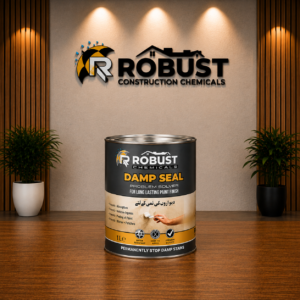
Robust Damp seal
Original price was: ₨ 2,800.₨ 2,500Current price is: ₨ 2,500. Add to cart -
Sale!
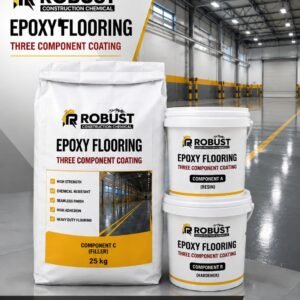
Robust Self Leveling Epoxy Flooring – Superior Three Component Epoxy Floor System 786
Original price was: ₨ 48,000.₨ 45,000Current price is: ₨ 45,000. Add to cart -
Sale!
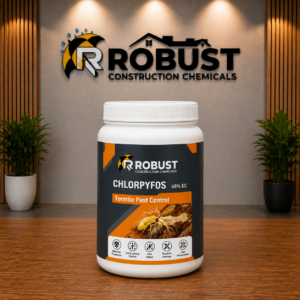
Robust termite control
Original price was: ₨ 4,500.₨ 4,300Current price is: ₨ 4,300. Add to cart -
Sale!
Robust EPS sheet (thermocol)
Original price was: ₨ 1,600.₨ 1,500Current price is: ₨ 1,500. Add to cart