Ultimate Guide: How to Choose Waterproofing Chemicals for Basements + Why Water Stopper is Essential
Waterproofing a basement is one of the most important investments you can make to protect your home from structural damage, mold growth, efflorescence, and deterioration caused by moisture. Choosing the right waterproofing chemicals is not just a maintenance step—it’s a long-term strategy to protect the value of your property and ensure a dry, healthy, usable basement space. In this comprehensive guide, we will walk you through everything you need to know about selecting the best waterproofing chemicals for basement applications, including an in-depth look at why Water Stopper waterproofing solutions are often considered the industry standard for lasting moisture protection.
Whether you are a homeowner, contractor, architect, or building engineer, this guide will help you make the smartest choice for basement waterproofing.
Table of Contents
-
Why Basement Waterproofing Matters
-
Types of Water Problems in Basements
-
What Are Waterproofing Chemicals?
-
Key Factors to Consider When Choosing Waterproofing Chemicals
-
Understanding Different Waterproofing Chemical Categories
-
Cementitious Waterproofing
-
Crystalline Waterproofing
-
Liquid Applied Membranes
-
Polymer-Modified Coatings
-
Waterstops & Joint Sealants
-
-
How Water Stopper Solutions Work
-
Evaluating Waterproofing Chemical Performance
-
Compatibility with Substrate & Construction Materials
-
Durability, Flexibility & Longevity
-
Environmental and Health Safety Considerations
-
Cost vs. Value Analysis
-
Choosing the Right Product for Your Basement Type
-
Application Best Practices
-
Common Mistakes to Avoid
-
Why Professionals Prefer Water Stopper
-
Conclusion: Making the Smart Choice for Long-Lasting Basement Protection
1. Why Basement Waterproofing Matters
Basements are inherently vulnerable to water infiltration because they are below ground level and in constant contact with soil and groundwater. Without proper waterproofing:
-
Hydrostatic pressure forces water through cracks and pores
-
Moisture seeps through concrete and foundation walls
-
Basement floors become damp and prone to mold
-
Structural integrity weakens over time
Waterproofing is not cosmetic—it’s critical for structural safety, indoor air quality, and energy efficiency. A moist basement significantly raises humidity levels, leading to musty odors and health hazards from allergens and mold.
2. Types of Water Problems in Basements
Before choosing waterproofing chemicals, you must identify the type of water challenge your basement faces:
• Groundwater Seepage
Occurs when soil water pressure pushes moisture through foundation walls.
• Rainwater Infiltration
Poor exterior drainage leads to water pooling around the foundation.
• Condensation
High humidity causes moisture to form on basement surfaces.
• Cracks & Joints
Structural movement creates openings where water can enter.
Each type of issue requires specific chemical properties to effectively resist water.
3. What Are Waterproofing Chemicals?
Waterproofing chemicals are specially formulated compounds that:
-
Stop or slow down the movement of water
-
Penetrate or bond to construction materials
-
Create a barrier that resists moisture and hydrostatic pressure
-
Improve the durability and longevity of structures
These chemical solutions can be applied during construction or retrofitted in existing basements.
4. Key Factors to Consider When Choosing Waterproofing Chemicals
When selecting waterproofing chemicals for basements, consider the following:
✔ Water Resistance Level
How well does the product block water under pressure?
✔ Chemical Compatibility
Will it bond effectively with concrete, mortar, and substrates?
✔ Ease of Application
Does it require special tools or conditions?
✔ Durability & Flexibility
Can it handle structural movement and temperature fluctuations?
✔ Environmental Safety
Are VOCs or harmful substances present?
✔ Product Support & Documentation
Complete technical data sheets, installation instructions, and warranties matter.
These factors determine whether a product delivers real long-term protection or only a temporary fix.
5. Understanding Different Waterproofing Chemical Categories
Waterproofing chemicals vary in composition and function. The main categories include:
A. Cementitious Waterproofing
Cementitious waterproofing compounds are based on cement powders mixed with proprietary additives that make the cured surface water resistant. They are:
-
User-friendly and easy to apply
-
Ideal for internal wet areas
-
Prevalent in basement walls and floors
However, not all cementitious products are the same—superior formulations like crystalline additives significantly improve performance.
B. Crystalline Waterproofing
Crystalline waterproofing technologies react with moisture to form insoluble crystals that fill concrete pores and micro-cracks. Advantages include:
-
Self-sealing behavior
-
Long-lasting resistance
-
Ideal for high hydrostatic pressure areas
Crystalline products are often integrated into cementitious bases or applied as coatings. They are widely preferred for basement waterproofing because they grow crystals deep into the concrete matrix.
C. Liquid Applied Membranes
These are brush-, spray-, or roller-applied polymer coatings that form a flexible, seamless waterproof layer.
Benefits:
-
Can bridge hairline cracks
-
Flexible under movement
-
Good adhesion
Choosing between solvent-based, acrylic, or polyurethane liquid membranes depends on performance needs and environmental conditions.
D. Polymer-Modified Coatings
These are cementitious or bituminous coatings enhanced with polymers that improve flexibility and adhesion.
-
Excellent for exterior waterproofing
-
Bridge small gaps and cracks
-
Better performance than basic cementitious mixes
Polymer modifiers strengthen the waterproofing chemical matrix.
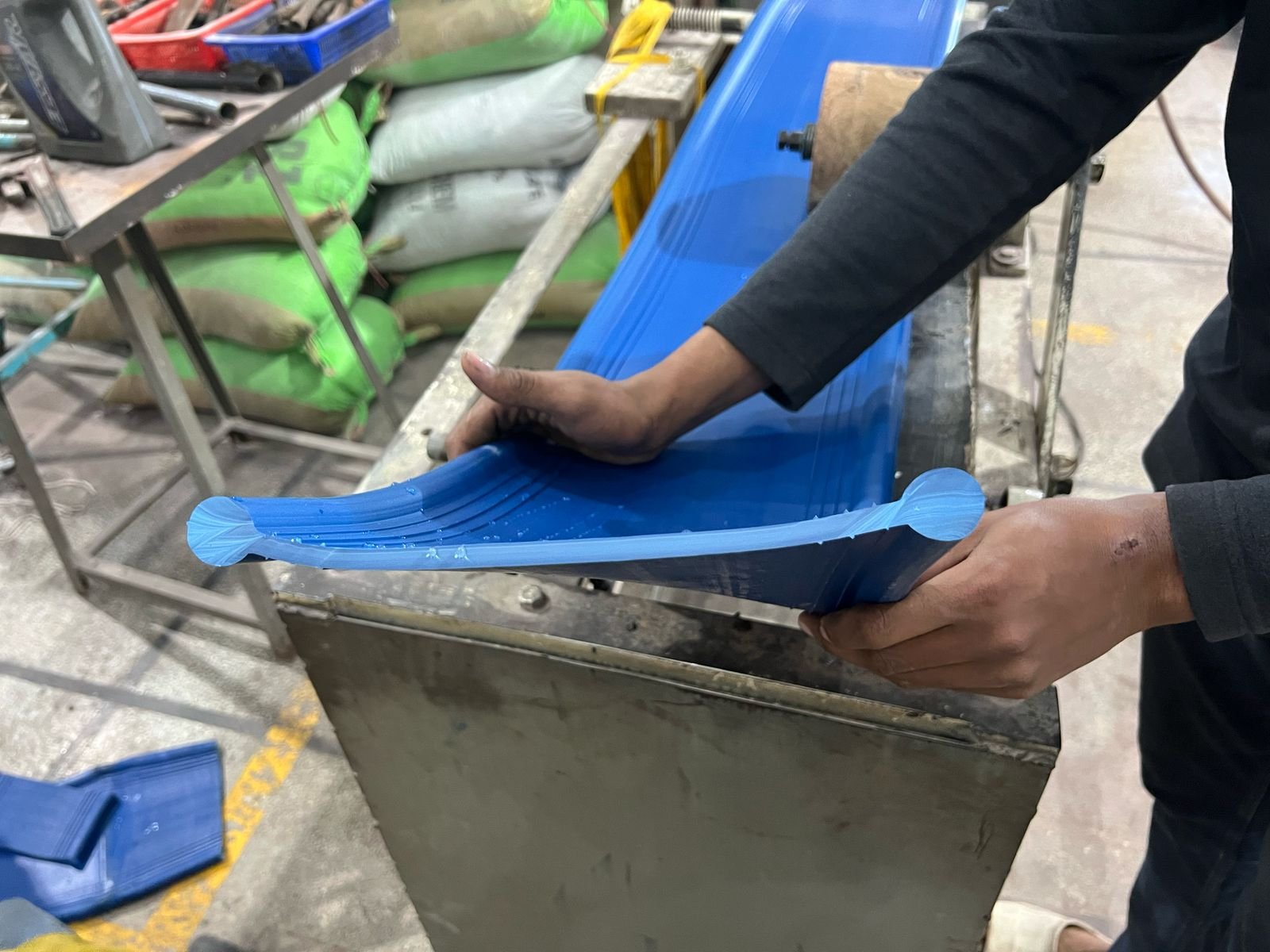
E. Waterstops & Joint Sealants
Waterstops are not surface coatings—rather, they are integral components installed at construction joints to prevent water passage at critical weak points.
Waterstops can be:
-
PVC profiles
-
Rubber profiles
-
Hydrophilic strips
-
Bentonite clay products
For basements, choosing the right waterstop material is crucial where slabs and walls meet, or where pre-cast elements join.
6. How Water Stopper Solutions Work
Water stopper products are specialized waterproofing chemicals designed to block water movement at joints and cracks. Unlike surface coatings that treat the whole surface area, waterstoppers act at critical junctions where water penetration is most likely.
The Core Functions of Water Stoppers:
-
Act as a physical barrier in joints
-
Prevent water wicking through construction connections
-
Expand upon contact with water (in the case of hydrophilic types)
-
Maintain integrity under hydrostatic pressure
These properties make quality water stopper solutions indispensable for basement waterproofing.
7. Evaluating Waterproofing Chemical Performance
When comparing products, check for measurable performance data such as:
✔ Water penetration resistance (ASTM / EN standards)
✔ Crack-bridging capability
✔ Tensile strength
✔ Elastic recovery
✔ Adhesion to substrate
✔ Durability under freeze-thaw cycles
Products backed by certified test data give you assurance that they will perform under real-world pressures.
8. Compatibility with Substrate & Construction Materials
Not all waterproofing chemicals bond the same to all surfaces. Always check:
-
Concrete density and porosity
-
Presence of previous coatings
-
Moisture content at application
-
Chemical resistance requirements
Best results come from products designed specifically for concrete basement environments.
9. Durability, Flexibility & Longevity
Waterproofing chemicals need to resist:
-
Hydrostatic pressure
-
Micro-cracking from settlement
-
Temperature shifts
-
Moisture cycling
Superior formulas remain flexible over time and maintain a water-tight barrier without cracking or peeling.
10. Environmental and Health Safety Considerations
Look for products that:
-
Are low in VOCs
-
Are non-toxic once cured
-
Meet local building codes and safety standards
Some older waterproofing chemicals have solvent fumes and harmful additives—modern formulations prioritize safety without compromising performance.
11. Cost vs. Value Analysis
Choosing waterproofing chemicals is not about the lowest price; it’s about long-term value. Cheaper products may initially cost less but often fail sooner, leading to:
-
Water damage cleanup
-
Mold remediation costs
-
Structural repairs
-
Replacement product and labor expenses
A proper, high-quality waterproofing solution like Water Stopper is an investment that pays for itself over years of protection.
12. Choosing the Right Product for Your Basement Type
Every basement scenario is different. Your choice depends on:
New Construction:
-
Integrate crystalline mixes
-
Install waterstops at joints
-
Use liquid membranes externally
Existing Basement:
-
Interior coatings
-
Crack injections
-
Drainage systems combined with waterproof chemicals
High Water Table Locations:
-
Prioritize high-performance crystalline admixtures
-
Dual barrier systems
Always pair waterproofing chemicals with good drainage planning.
13. Application Best Practices
To maximize performance:
-
Always clean and prepare the surface
-
Follow manufacturer mixing ratios
-
Avoid applying on wet or frost-affected surfaces
-
Use priming when recommended
-
Apply multiple coats for critical areas
Professional application often ensures consistent results with maximum longevity.
Ultimate Guide: How to Choose Waterproofing Chemicals for Basements + Why Water Stopper is Essential
Waterproofing a basement is one of the most important investments you can make to protect your home from structural damage, mold growth, efflorescence, and deterioration caused by moisture. Choosing the right waterproofing chemicals is not just a maintenance step—it’s a long-term strategy to protect the value of your property and ensure a dry, healthy, usable basement space. In this comprehensive guide, we will walk you through everything you need to know about selecting the best waterproofing chemicals for basement applications, including an in-depth look at why Water Stopper waterproofing solutions are often considered the industry standard for lasting moisture protection.
Whether you are a homeowner, contractor, architect, or building engineer, this guide will help you make the smartest choice for basement waterproofing.
Table of Contents
-
Why Basement Waterproofing Matters
-
Types of Water Problems in Basements
-
What Are Waterproofing Chemicals?
-
Key Factors to Consider When Choosing Waterproofing Chemicals
-
Understanding Different Waterproofing Chemical Categories
-
Cementitious Waterproofing
-
Crystalline Waterproofing
-
Liquid Applied Membranes
-
Polymer-Modified Coatings
-
Waterstops & Joint Sealants
-
-
How Water Stopper Solutions Work
-
Evaluating Waterproofing Chemical Performance
-
Compatibility with Substrate & Construction Materials
-
Durability, Flexibility & Longevity
-
Environmental and Health Safety Considerations
-
Cost vs. Value Analysis
-
Choosing the Right Product for Your Basement Type
-
Application Best Practices
-
Common Mistakes to Avoid
-
Why Professionals Prefer Water Stopper
-
Conclusion: Making the Smart Choice for Long-Lasting Basement Protection
1. Why Basement Waterproofing Matters
Basements are inherently vulnerable to water infiltration because they are below ground level and in constant contact with soil and groundwater. Without proper waterproofing:
-
Hydrostatic pressure forces water through cracks and pores
-
Moisture seeps through concrete and foundation walls
-
Basement floors become damp and prone to mold
-
Structural integrity weakens over time
Waterproofing is not cosmetic—it’s critical for structural safety, indoor air quality, and energy efficiency. A moist basement significantly raises humidity levels, leading to musty odors and health hazards from allergens and mold.
2. Types of Water Problems in Basements
Before choosing waterproofing chemicals, you must identify the type of water challenge your basement faces:
• Groundwater Seepage
Occurs when soil water pressure pushes moisture through foundation walls.
• Rainwater Infiltration
Poor exterior drainage leads to water pooling around the foundation.
• Condensation
High humidity causes moisture to form on basement surfaces.
• Cracks & Joints
Structural movement creates openings where water can enter.
Each type of issue requires specific chemical properties to effectively resist water.
3. What Are Waterproofing Chemicals?
Waterproofing chemicals are specially formulated compounds that:
-
Stop or slow down the movement of water
-
Penetrate or bond to construction materials
-
Create a barrier that resists moisture and hydrostatic pressure
-
Improve the durability and longevity of structures
These chemical solutions can be applied during construction or retrofitted in existing basements.
4. Key Factors to Consider When Choosing Waterproofing Chemicals
When selecting waterproofing chemicals for basements, consider the following:
✔ Water Resistance Level
How well does the product block water under pressure?
✔ Chemical Compatibility
Will it bond effectively with concrete, mortar, and substrates?
✔ Ease of Application
Does it require special tools or conditions?
✔ Durability & Flexibility
Can it handle structural movement and temperature fluctuations?
✔ Environmental Safety
Are VOCs or harmful substances present?
✔ Product Support & Documentation
Complete technical data sheets, installation instructions, and warranties matter.
These factors determine whether a product delivers real long-term protection or only a temporary fix.
5. Understanding Different Waterproofing Chemical Categories
Waterproofing chemicals vary in composition and function. The main categories include:
A. Cementitious Waterproofing
Cementitious waterproofing compounds are based on cement powders mixed with proprietary additives that make the cured surface water resistant. They are:
-
User-friendly and easy to apply
-
Ideal for internal wet areas
-
Prevalent in basement walls and floors
However, not all cementitious products are the same—superior formulations like crystalline additives significantly improve performance.
B. Crystalline Waterproofing
Crystalline waterproofing technologies react with moisture to form insoluble crystals that fill concrete pores and micro-cracks. Advantages include:
-
Self-sealing behavior
-
Long-lasting resistance
-
Ideal for high hydrostatic pressure areas
Crystalline products are often integrated into cementitious bases or applied as coatings. They are widely preferred for basement waterproofing because they grow crystals deep into the concrete matrix.
C. Liquid Applied Membranes
These are brush-, spray-, or roller-applied polymer coatings that form a flexible, seamless waterproof layer.
Benefits:
-
Can bridge hairline cracks
-
Flexible under movement
-
Good adhesion
Choosing between solvent-based, acrylic, or polyurethane liquid membranes depends on performance needs and environmental conditions.
D. Polymer-Modified Coatings
These are cementitious or bituminous coatings enhanced with polymers that improve flexibility and adhesion.
-
Excellent for exterior waterproofing
-
Bridge small gaps and cracks
-
Better performance than basic cementitious mixes
Polymer modifiers strengthen the waterproofing chemical matrix.
E. Waterstops & Joint Sealants
Waterstops are not surface coatings—rather, they are integral components installed at construction joints to prevent water passage at critical weak points.
Waterstops can be:
-
PVC profiles
-
Rubber profiles
-
Hydrophilic strips
-
Bentonite clay products
For basements, choosing the right waterstop material is crucial where slabs and walls meet, or where pre-cast elements join.
6. How Water Stopper Solutions Work
Water stopper products are specialized waterproofing chemicals designed to block water movement at joints and cracks. Unlike surface coatings that treat the whole surface area, waterstoppers act at critical junctions where water penetration is most likely.
The Core Functions of Water Stoppers:
-
Act as a physical barrier in joints
-
Prevent water wicking through construction connections
-
Expand upon contact with water (in the case of hydrophilic types)
-
Maintain integrity under hydrostatic pressure
These properties make quality water stopper solutions indispensable for basement waterproofing.
7. Evaluating Waterproofing Chemical Performance
When comparing products, check for measurable performance data such as:
✔ Water penetration resistance (ASTM / EN standards)
✔ Crack-bridging capability
✔ Tensile strength
✔ Elastic recovery
✔ Adhesion to substrate
✔ Durability under freeze-thaw cycles
Products backed by certified test data give you assurance that they will perform under real-world pressures.
8. Compatibility with Substrate & Construction Materials
Not all waterproofing chemicals bond the same to all surfaces. Always check:
-
Concrete density and porosity
-
Presence of previous coatings
-
Moisture content at application
-
Chemical resistance requirements
Best results come from products designed specifically for concrete basement environments.
9. Durability, Flexibility & Longevity
Waterproofing chemicals need to resist:
-
Hydrostatic pressure
-
Micro-cracking from settlement
-
Temperature shifts
-
Moisture cycling
Superior formulas remain flexible over time and maintain a water-tight barrier without cracking or peeling.
10. Environmental and Health Safety Considerations
Look for products that:
-
Are low in VOCs
-
Are non-toxic once cured
-
Meet local building codes and safety standards
Some older waterproofing chemicals have solvent fumes and harmful additives—modern formulations prioritize safety without compromising performance.
11. Cost vs. Value Analysis
Choosing waterproofing chemicals is not about the lowest price; it’s about long-term value. Cheaper products may initially cost less but often fail sooner, leading to:
-
Water damage cleanup
-
Mold remediation costs
-
Structural repairs
-
Replacement product and labor expenses
A proper, high-quality waterproofing solution like Water Stopper is an investment that pays for itself over years of protection.
12. Choosing the Right Product for Your Basement Type
Every basement scenario is different. Your choice depends on:
New Construction:
-
Integrate crystalline mixes
-
Install waterstops at joints
-
Use liquid membranes externally
Existing Basement:
-
Interior coatings
-
Crack injections
-
Drainage systems combined with waterproof chemicals
High Water Table Locations:
-
Prioritize high-performance crystalline admixtures
-
Dual barrier systems
Always pair waterproofing chemicals with good drainage planning.
13. Application Best Practices
To maximize performance:
-
Always clean and prepare the surface
-
Follow manufacturer mixing ratios
-
Avoid applying on wet or frost-affected surfaces
-
Use priming when recommended
-
Apply multiple coats for critical areas
Professional application often ensures consistent results with maximum longevity.
Ultimate Guide: How to Choose Waterproofing Chemicals for Basements + Why Water Stopper is Essential
Waterproofing a basement is one of the most important investments you can make to protect your home from structural damage, mold growth, efflorescence, and deterioration caused by moisture. Choosing the right waterproofing chemicals is not just a maintenance step—it’s a long-term strategy to protect the value of your property and ensure a dry, healthy, usable basement space. In this comprehensive guide, we will walk you through everything you need to know about selecting the best waterproofing chemicals for basement applications, including an in-depth look at why Water Stopper waterproofing solutions are often considered the industry standard for lasting moisture protection.
Whether you are a homeowner, contractor, architect, or building engineer, this guide will help you make the smartest choice for basement waterproofing.
Table of Contents
-
Why Basement Waterproofing Matters
-
Types of Water Problems in Basements
-
What Are Waterproofing Chemicals?
-
Key Factors to Consider When Choosing Waterproofing Chemicals
-
Understanding Different Waterproofing Chemical Categories
-
Cementitious Waterproofing
-
Crystalline Waterproofing
-
Liquid Applied Membranes
-
Polymer-Modified Coatings
-
Waterstops & Joint Sealants
-
-
How Water Stopper Solutions Work
-
Evaluating Waterproofing Chemical Performance
-
Compatibility with Substrate & Construction Materials
-
Durability, Flexibility & Longevity
-
Environmental and Health Safety Considerations
-
Cost vs. Value Analysis
-
Choosing the Right Product for Your Basement Type
-
Application Best Practices
-
Common Mistakes to Avoid
-
Why Professionals Prefer Water Stopper
-
Conclusion: Making the Smart Choice for Long-Lasting Basement Protection
1. Why Basement Waterproofing Matters
Basements are inherently vulnerable to water infiltration because they are below ground level and in constant contact with soil and groundwater. Without proper waterproofing:
-
Hydrostatic pressure forces water through cracks and pores
-
Moisture seeps through concrete and foundation walls
-
Basement floors become damp and prone to mold
-
Structural integrity weakens over time
Waterproofing is not cosmetic—it’s critical for structural safety, indoor air quality, and energy efficiency. A moist basement significantly raises humidity levels, leading to musty odors and health hazards from allergens and mold.
2. Types of Water Problems in Basements
Before choosing waterproofing chemicals, you must identify the type of water challenge your basement faces:
• Groundwater Seepage
Occurs when soil water pressure pushes moisture through foundation walls.
• Rainwater Infiltration
Poor exterior drainage leads to water pooling around the foundation.
• Condensation
High humidity causes moisture to form on basement surfaces.
• Cracks & Joints
Structural movement creates openings where water can enter.
Each type of issue requires specific chemical properties to effectively resist water.
3. What Are Waterproofing Chemicals?
Waterproofing chemicals are specially formulated compounds that:
-
Stop or slow down the movement of water
-
Penetrate or bond to construction materials
-
Create a barrier that resists moisture and hydrostatic pressure
-
Improve the durability and longevity of structures
These chemical solutions can be applied during construction or retrofitted in existing basements.
4. Key Factors to Consider When Choosing Waterproofing Chemicals
When selecting waterproofing chemicals for basements, consider the following:
✔ Water Resistance Level
How well does the product block water under pressure?
✔ Chemical Compatibility
Will it bond effectively with concrete, mortar, and substrates?
✔ Ease of Application
Does it require special tools or conditions?
✔ Durability & Flexibility
Can it handle structural movement and temperature fluctuations?
✔ Environmental Safety
Are VOCs or harmful substances present?
✔ Product Support & Documentation
Complete technical data sheets, installation instructions, and warranties matter.
These factors determine whether a product delivers real long-term protection or only a temporary fix.
5. Understanding Different Waterproofing Chemical Categories
Waterproofing chemicals vary in composition and function. The main categories include:
A. Cementitious Waterproofing
Cementitious waterproofing compounds are based on cement powders mixed with proprietary additives that make the cured surface water resistant. They are:
-
User-friendly and easy to apply
-
Ideal for internal wet areas
-
Prevalent in basement walls and floors
However, not all cementitious products are the same—superior formulations like crystalline additives significantly improve performance.
B. Crystalline Waterproofing
Crystalline waterproofing technologies react with moisture to form insoluble crystals that fill concrete pores and micro-cracks. Advantages include:
-
Self-sealing behavior
-
Long-lasting resistance
-
Ideal for high hydrostatic pressure areas
Crystalline products are often integrated into cementitious bases or applied as coatings. They are widely preferred for basement waterproofing because they grow crystals deep into the concrete matrix.
C. Liquid Applied Membranes
These are brush-, spray-, or roller-applied polymer coatings that form a flexible, seamless waterproof layer.
Benefits:
-
Can bridge hairline cracks
-
Flexible under movement
-
Good adhesion
Choosing between solvent-based, acrylic, or polyurethane liquid membranes depends on performance needs and environmental conditions.
D. Polymer-Modified Coatings
These are cementitious or bituminous coatings enhanced with polymers that improve flexibility and adhesion.
-
Excellent for exterior waterproofing
-
Bridge small gaps and cracks
-
Better performance than basic cementitious mixes
Polymer modifiers strengthen the waterproofing chemical matrix.
E. Waterstops & Joint Sealants
Waterstops are not surface coatings—rather, they are integral components installed at construction joints to prevent water passage at critical weak points.
Waterstops can be:
-
PVC profiles
-
Rubber profiles
-
Hydrophilic strips
-
Bentonite clay products
For basements, choosing the right waterstop material is crucial where slabs and walls meet, or where pre-cast elements join.
6. How Water Stopper Solutions Work
Water stopper products are specialized waterproofing chemicals designed to block water movement at joints and cracks. Unlike surface coatings that treat the whole surface area, waterstoppers act at critical junctions where water penetration is most likely.
The Core Functions of Water Stoppers:
-
Act as a physical barrier in joints
-
Prevent water wicking through construction connections
-
Expand upon contact with water (in the case of hydrophilic types)
-
Maintain integrity under hydrostatic pressure
These properties make quality water stopper solutions indispensable for basement waterproofing.
7. Evaluating Waterproofing Chemical Performance
When comparing products, check for measurable performance data such as:
✔ Water penetration resistance (ASTM / EN standards)
✔ Crack-bridging capability
✔ Tensile strength
✔ Elastic recovery
✔ Adhesion to substrate
✔ Durability under freeze-thaw cycles
Products backed by certified test data give you assurance that they will perform under real-world pressures.
8. Compatibility with Substrate & Construction Materials
Not all waterproofing chemicals bond the same to all surfaces. Always check:
-
Concrete density and porosity
-
Presence of previous coatings
-
Moisture content at application
-
Chemical resistance requirements
Best results come from products designed specifically for concrete basement environments.
9. Durability, Flexibility & Longevity
Waterproofing chemicals need to resist:
-
Hydrostatic pressure
-
Micro-cracking from settlement
-
Temperature shifts
-
Moisture cycling
Superior formulas remain flexible over time and maintain a water-tight barrier without cracking or peeling.
10. Environmental and Health Safety Considerations
Look for products that:
-
Are low in VOCs
-
Are non-toxic once cured
-
Meet local building codes and safety standards
Some older waterproofing chemicals have solvent fumes and harmful additives—modern formulations prioritize safety without compromising performance.
11. Cost vs. Value Analysis
Choosing waterproofing chemicals is not about the lowest price; it’s about long-term value. Cheaper products may initially cost less but often fail sooner, leading to:
-
Water damage cleanup
-
Mold remediation costs
-
Structural repairs
-
Replacement product and labor expenses
A proper, high-quality waterproofing solution like Water Stopper is an investment that pays for itself over years of protection.
12. Choosing the Right Product for Your Basement Type
Every basement scenario is different. Your choice depends on:
New Construction:
-
Integrate crystalline mixes
-
Install waterstops at joints
-
Use liquid membranes externally
Existing Basement:
-
Interior coatings
-
Crack injections
-
Drainage systems combined with waterproof chemicals
High Water Table Locations:
-
Prioritize high-performance crystalline admixtures
-
Dual barrier systems
Always pair waterproofing chemicals with good drainage planning.
13. Application Best Practices
To maximize performance:
-
Always clean and prepare the surface
-
Follow manufacturer mixing ratios
-
Avoid applying on wet or frost-affected surfaces
-
Use priming when recommended
-
Apply multiple coats for critical areas
Professional application often ensures consistent results with maximum longevity.
howhowhowhowhowhowhowhowhowhowhowhowhowhowhowhowhowhowhowhowhowhowhowhowhowhowhowhowhowhowhowhowhowhow