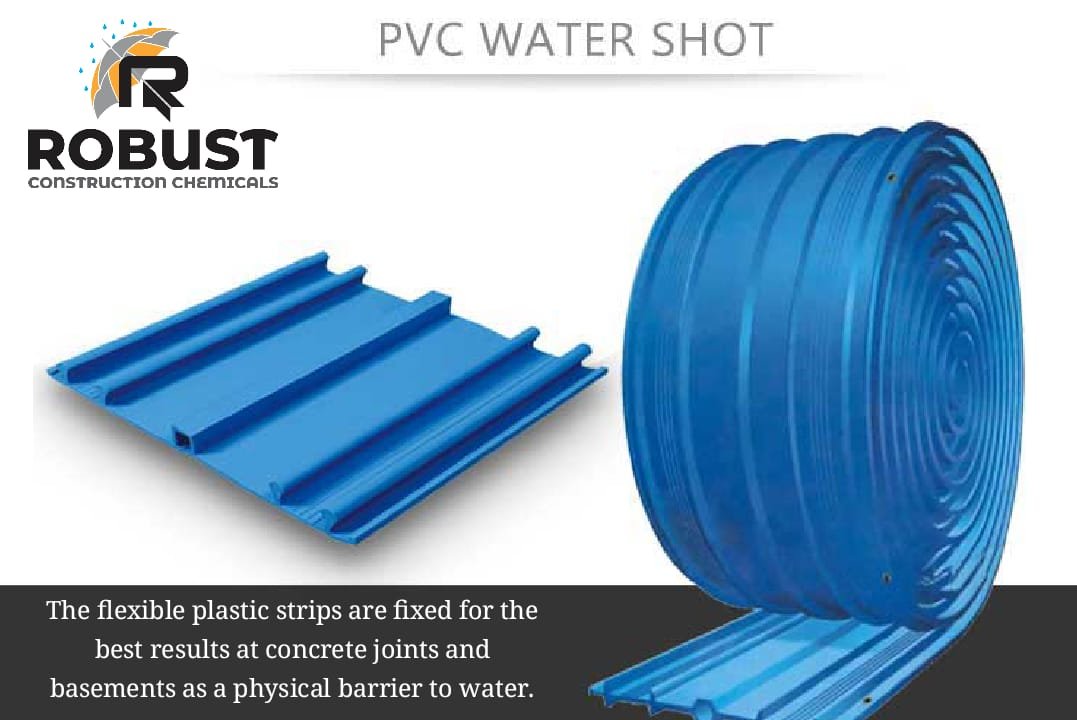
Structural Joint Protection | Heavy-Duty Water Stopper for Basements & Water Tanks
Structural Joint Protection is a critical requirement in modern concrete construction.
Heavy-Duty Water Stopper systems are designed to block water paths at concrete joints.
Basements and water tanks are constantly exposed to moisture and hydrostatic pressure.
Without proper joint sealing, water leakage can damage structural integrity.
Water stoppers create a physical barrier inside concrete joints.
They prevent water from passing through expansion and construction joints.
H2: What Is a Heavy-Duty Water Stopper
A heavy-duty water stopper is a flexible sealing profile installed within concrete joints.
It is embedded during concrete pouring to block water movement.
Water stoppers are made from durable PVC or rubber compounds.
They maintain flexibility even after concrete hardens.
These profiles are designed to withstand water pressure.
They protect underground and water-retaining structures effectively.
H3: Composition and Material Properties
PVC water stoppers are manufactured using high-grade flexible polymers.
They resist chemicals, moisture, and aging.
The material allows controlled movement during concrete expansion and contraction.
This prevents joint cracking and leakage.
Water stoppers maintain shape under pressure.
They do not shrink or deform over time.
H3: Types of Water Stopper Profiles
There are central bulb water stoppers for expansion joints.
There are flat web profiles for construction joints.
Ribbed profiles increase bonding with concrete.
They improve anchoring and sealing performance.
Different widths are available for various joint sizes.
Proper profile selection ensures effective waterproofing.
H2: Importance of Joint Protection in Basements
Basements are located below ground level.
They are exposed to continuous soil moisture and groundwater.
Hydrostatic pressure forces water into concrete joints.
Even small gaps can cause serious leakage.
Heavy-duty water stoppers prevent seepage through joints.
They protect interior spaces from dampness and mold.
H3: Protection Against Groundwater Pressure
Groundwater exerts pressure on basement walls and slabs.
Water stoppers block this pressure from penetrating joints.
They work as internal barriers inside concrete.
This ensures water cannot bypass the waterproofing layer.
Effective joint sealing reduces structural deterioration.
It increases building lifespan significantly.
H3: Indoor Comfort and Hygiene
Leaking basements develop mold and bad odors.
This affects indoor air quality.
Water stoppers help keep basements dry and healthy.
They prevent moisture-related health issues.
Dry basements are suitable for storage and living spaces.
They add usable area to buildings.
H2: Role of Water Stoppers in Water Tank Construction
Water tanks store large volumes of water continuously.
Any joint leakage can cause water loss and contamination.
Heavy-duty water stoppers ensure watertight joints.
They prevent seepage at slab and wall connections.
They are essential in overhead and underground tanks.
They protect concrete from constant water exposure.
H3: Preventing Water Loss and Structural Damage
Water leakage weakens concrete over time.
It also increases maintenance and repair costs.
Water stoppers block leakage paths permanently.
They protect tank structure and water supply.
This ensures long-term tank durability.
It also improves operational efficiency.
H3: Hygienic Water Storage
Leaking joints allow contamination from soil.
This affects drinking water quality.
Water stoppers maintain sealed joints.
They protect stored water from external pollutants.
This is critical for residential and commercial tanks.
It supports public health and safety.
H2: Advantages of Heavy-Duty Water Stopper Systems
Heavy-duty water stoppers offer reliable joint sealing.
They are designed for long-term waterproof performance.
They provide flexibility and strength simultaneously.
This allows them to adapt to structural movements.
H3: Long-Term Durability
Water stoppers resist aging and chemical attack.
They remain functional for decades.
They do not corrode like metal seals.
They maintain flexibility in changing temperatures.
Durable sealing reduces repair frequency.
It saves long-term maintenance costs.
H3: High Pressure Resistance
Water stoppers are designed to resist hydrostatic pressure.
They block water even in deep underground structures.
This makes them suitable for basements and tunnels.
They perform well in water-retaining structures.
Strong anchoring ribs improve sealing strength.
They prevent displacement during concrete pouring.
H2: Installation Method of Water Stoppers
Correct installation is essential for performance.
Improper placement can lead to leakage.
Water stoppers are placed at the center of joints.
Half profile is embedded in first concrete pour.
Remaining half is embedded in second pour.
This creates continuous joint sealing.
H3: Joint Preparation and Alignment
Joints must be properly aligned before installation.
Misalignment reduces sealing efficiency.
Water stopper must be fixed securely to prevent movement.
This ensures correct position during concrete pouring.
Proper vibration around joint improves concrete bonding.
This prevents voids around water stopper.
H3: Welding and Joint Connections
Water stopper joints must be heat welded.
This ensures continuous sealing at intersections.
Proper welding maintains profile integrity.
It prevents leakage through connection points.
Skilled workmanship improves overall waterproofing quality.
It ensures system reliability.
H2: Compatibility with Waterproofing Systems
Water stoppers work with external waterproofing membranes.
They provide internal joint sealing support.
Dual protection systems improve waterproof reliability.
They protect both internally and externally.
Water stoppers are compatible with cementitious coatings.
They enhance overall waterproofing performance.
H3: Combination with Bitumen and PU Coatings
Bitumen and PU coatings protect concrete surfaces.
Water stoppers protect joint areas internally.
Together they provide complete waterproofing system.
They block water from all possible paths.
This combination is recommended for basements.
It ensures maximum protection against seepage.
H3: Use with Concrete Admixtures
Waterproofing admixtures reduce concrete permeability.
Water stoppers seal joints where admixtures cannot act.
Combined systems improve water resistance significantly.
They provide comprehensive moisture protection.
This is standard practice in modern construction.
It improves building performance.
H2: Why Heavy-Duty Water Stoppers Are Essential in Pakistan
Pakistan has high groundwater levels in many areas.
Urban construction faces serious seepage challenges.
Basements and water tanks require strong waterproofing.
Water stoppers provide reliable joint protection.
They perform well in varying soil conditions.
They support durable construction in all regions.
H3: Performance in Monsoon Conditions
Heavy rainfall increases groundwater pressure.
Joints become vulnerable to leakage.
Water stoppers block water penetration effectively.
They protect structures during heavy rains.
This reduces seasonal maintenance problems.
It improves building reliability.
H3: Suitable for Residential and Commercial Projects
Homes require dry basements and clean water tanks.
Commercial buildings require durable infrastructure.
Water stoppers meet both requirements.
They ensure structural safety and comfort.
They are used in housing societies and plazas.
They support long-term construction quality.
H2: Types of Projects Using Water Stoppers
Water stoppers are used in many construction projects.
They are critical for water-retaining and underground structures.
They are installed in dams, tunnels, and bridges.
They protect joints under high pressure.
They are also used in swimming pools and reservoirs.
They maintain water tightness.
H3: Infrastructure and Civil Engineering
Large-scale projects require reliable joint sealing.
Water stoppers are part of standard specifications.
They protect structural joints from leakage.
They improve long-term durability of infrastructure.
Civil engineers rely on water stoppers.
They ensure safety and performance.
H3: Residential Construction
Modern houses often include basements and water tanks.
Water stoppers protect these areas from leakage.
They reduce maintenance and repair expenses.
They improve homeowner satisfaction.
Quality joint sealing improves property value.
It ensures durable construction.
H2: Maintenance and Inspection of Water Stopper Systems
Water stoppers require minimal maintenance.
Once embedded, they remain protected within concrete.
Regular inspection of joint areas is recommended.
This ensures early detection of surface cracks.
Surface repairs protect underlying joint seals.
They improve overall waterproofing performance.
H3: Repair of Joint Leakage
If surface leakage appears, external repairs are possible.
Injection grouting can seal minor cracks.
Water stoppers continue to block internal water paths.
They provide backup protection.
This prevents serious structural damage.
It reduces repair complexity.
H3: Long Service Life
Properly installed water stoppers last as long as structure.
They are not affected by external environment.
They remain effective for decades.
This makes them reliable joint sealing solutions.
Long service life reduces lifecycle cost.
It improves investment value.
H2: Conclusion – Reliable Structural Joint Protection Solution
Structural Joint Protection using heavy-duty water stoppers is essential for waterproof construction.
They protect basements and water tanks from leakage and moisture damage.
Their durability, flexibility, and pressure resistance ensure long-term performance.
They are trusted by engineers and contractors worldwide.
For construction companies and waterproofing suppliers in Pakistan,
Heavy-duty water stoppers are critical products for quality and safety.

Structural Joint Protection | Heavy-Duty Water Stopper for Basements & Water Tanks
Structural Joint Protection is a critical requirement in modern concrete construction.
Heavy-Duty Water Stopper systems are designed to block water paths at concrete joints.
Basements and water tanks are constantly exposed to moisture and hydrostatic pressure.
Without proper joint sealing, water leakage can damage structural integrity.
Water stoppers create a physical barrier inside concrete joints.
They prevent water from passing through expansion and construction joints.
H2: What Is a Heavy-Duty Water Stopper
A heavy-duty water stopper is a flexible sealing profile installed within concrete joints.
It is embedded during concrete pouring to block water movement.
Water stoppers are made from durable PVC or rubber compounds.
They maintain flexibility even after concrete hardens.
These profiles are designed to withstand water pressure.
They protect underground and water-retaining structures effectively.
H3: Composition and Material Properties
PVC water stoppers are manufactured using high-grade flexible polymers.
They resist chemicals, moisture, and aging.
The material allows controlled movement during concrete expansion and contraction.
This prevents joint cracking and leakage.
Water stoppers maintain shape under pressure.
They do not shrink or deform over time.
H3: Types of Water Stopper Profiles
There are central bulb water stoppers for expansion joints.
There are flat web profiles for construction joints.
Ribbed profiles increase bonding with concrete.
They improve anchoring and sealing performance.
Different widths are available for various joint sizes.
Proper profile selection ensures effective waterproofing.
H2: Importance of Joint Protection in Basements
Basements are located below ground level.
They are exposed to continuous soil moisture and groundwater.
Hydrostatic pressure forces water into concrete joints.
Even small gaps can cause serious leakage.
Heavy-duty water stoppers prevent seepage through joints.
They protect interior spaces from dampness and mold.
H3: Protection Against Groundwater Pressure
Groundwater exerts pressure on basement walls and slabs.
Water stoppers block this pressure from penetrating joints.
They work as internal barriers inside concrete.
This ensures water cannot bypass the waterproofing layer.
Effective joint sealing reduces structural deterioration.
It increases building lifespan significantly.
H3: Indoor Comfort and Hygiene
Leaking basements develop mold and bad odors.
This affects indoor air quality.
Water stoppers help keep basements dry and healthy.
They prevent moisture-related health issues.
Dry basements are suitable for storage and living spaces.
They add usable area to buildings.
H2: Role of Water Stoppers in Water Tank Construction
Water tanks store large volumes of water continuously.
Any joint leakage can cause water loss and contamination.
Heavy-duty water stoppers ensure watertight joints.
They prevent seepage at slab and wall connections.
They are essential in overhead and underground tanks.
They protect concrete from constant water exposure.
H3: Preventing Water Loss and Structural Damage
Water leakage weakens concrete over time.
It also increases maintenance and repair costs.
Water stoppers block leakage paths permanently.
They protect tank structure and water supply.
This ensures long-term tank durability.
It also improves operational efficiency.
H3: Hygienic Water Storage
Leaking joints allow contamination from soil.
This affects drinking water quality.
Water stoppers maintain sealed joints.
They protect stored water from external pollutants.
This is critical for residential and commercial tanks.
It supports public health and safety.
H2: Advantages of Heavy-Duty Water Stopper Systems
Heavy-duty water stoppers offer reliable joint sealing.
They are designed for long-term waterproof performance.
They provide flexibility and strength simultaneously.
This allows them to adapt to structural movements.
H3: Long-Term Durability
Water stoppers resist aging and chemical attack.
They remain functional for decades.
They do not corrode like metal seals.
They maintain flexibility in changing temperatures.
Durable sealing reduces repair frequency.
It saves long-term maintenance costs.
H3: High Pressure Resistance
Water stoppers are designed to resist hydrostatic pressure.
They block water even in deep underground structures.
This makes them suitable for basements and tunnels.
They perform well in water-retaining structures.
Strong anchoring ribs improve sealing strength.
They prevent displacement during concrete pouring.
H2: Installation Method of Water Stoppers
Correct installation is essential for performance.
Improper placement can lead to leakage.
Water stoppers are placed at the center of joints.
Half profile is embedded in first concrete pour.
Remaining half is embedded in second pour.
This creates continuous joint sealing.
H3: Joint Preparation and Alignment
Joints must be properly aligned before installation.
Misalignment reduces sealing efficiency.
Water stopper must be fixed securely to prevent movement.
This ensures correct position during concrete pouring.
Proper vibration around joint improves concrete bonding.
This prevents voids around water stopper.
H3: Welding and Joint Connections
Water stopper joints must be heat welded.
This ensures continuous sealing at intersections.
Proper welding maintains profile integrity.
It prevents leakage through connection points.
Skilled workmanship improves overall waterproofing quality.
It ensures system reliability.
H2: Compatibility with Waterproofing Systems
Water stoppers work with external waterproofing membranes.
They provide internal joint sealing support.
Dual protection systems improve waterproof reliability.
They protect both internally and externally.
Water stoppers are compatible with cementitious coatings.
They enhance overall waterproofing performance.
H3: Combination with Bitumen and PU Coatings
Bitumen and PU coatings protect concrete surfaces.
Water stoppers protect joint areas internally.
Together they provide complete waterproofing system.
They block water from all possible paths.
This combination is recommended for basements.
It ensures maximum protection against seepage.
H3: Use with Concrete Admixtures
Waterproofing admixtures reduce concrete permeability.
Water stoppers seal joints where admixtures cannot act.
Combined systems improve water resistance significantly.
They provide comprehensive moisture protection.
This is standard practice in modern construction.
It improves building performance.
H2: Why Heavy-Duty Water Stoppers Are Essential in Pakistan
Pakistan has high groundwater levels in many areas.
Urban construction faces serious seepage challenges.
Basements and water tanks require strong waterproofing.
Water stoppers provide reliable joint protection.
They perform well in varying soil conditions.
They support durable construction in all regions.
H3: Performance in Monsoon Conditions
Heavy rainfall increases groundwater pressure.
Joints become vulnerable to leakage.
Water stoppers block water penetration effectively.
They protect structures during heavy rains.
This reduces seasonal maintenance problems.
It improves building reliability.
H3: Suitable for Residential and Commercial Projects
Homes require dry basements and clean water tanks.
Commercial buildings require durable infrastructure.
Water stoppers meet both requirements.
They ensure structural safety and comfort.
They are used in housing societies and plazas.
They support long-term construction quality.
H2: Types of Projects Using Water Stoppers
Water stoppers are used in many construction projects.
They are critical for water-retaining and underground structures.
They are installed in dams, tunnels, and bridges.
They protect joints under high pressure.
They are also used in swimming pools and reservoirs.
They maintain water tightness.
H3: Infrastructure and Civil Engineering
Large-scale projects require reliable joint sealing.
Water stoppers are part of standard specifications.
They protect structural joints from leakage.
They improve long-term durability of infrastructure.
Civil engineers rely on water stoppers.
They ensure safety and performance.
H3: Residential Construction
Modern houses often include basements and water tanks.
Water stoppers protect these areas from leakage.
They reduce maintenance and repair expenses.
They improve homeowner satisfaction.
Quality joint sealing improves property value.
It ensures durable construction.
H2: Maintenance and Inspection of Water Stopper Systems
Water stoppers require minimal maintenance.
Once embedded, they remain protected within concrete.
Regular inspection of joint areas is recommended.
This ensures early detection of surface cracks.
Surface repairs protect underlying joint seals.
They improve overall waterproofing performance.
H3: Repair of Joint Leakage
If surface leakage appears, external repairs are possible.
Injection grouting can seal minor cracks.
Water stoppers continue to block internal water paths.
They provide backup protection.
This prevents serious structural damage.
It reduces repair complexity.
H3: Long Service Life
Properly installed water stoppers last as long as structure.
They are not affected by external environment.
They remain effective for decades.
This makes them reliable joint sealing solutions.
Long service life reduces lifecycle cost.
It improves investment value.
H2: Conclusion – Reliable Structural Joint Protection Solution
Structural Joint Protection using heavy-duty water stoppers is essential for waterproof construction.
They protect basements and water tanks from leakage and moisture damage.
Their durability, flexibility, and pressure resistance ensure long-term performance.
They are trusted by engineers and contractors worldwide.
For construction companies and waterproofing suppliers in Pakistan,
Heavy-duty water stoppers are critical products for quality and safety.


structuralstructuralstructuralstructuralstructuralstructuralstructuralstructuralstructuralstructural