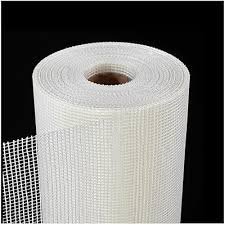
Robust Fiber Mesh Net Roll for Walls & Joints: Technical Specifications, GSM Selection, Installation Guide & 2026 Price in Pakistan
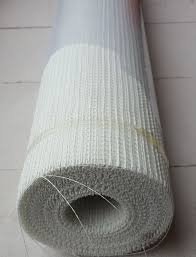
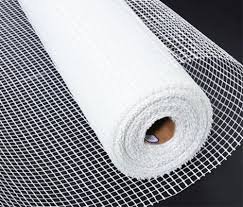
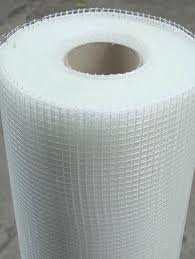
Robust Fiber Mesh Net Roll (alkali-resistant woven fiberglass reinforcement mesh) is the essential crack-arresting reinforcement layer engineered to eliminate vertical and diagonal plaster cracks along brick-to-RCC concrete column/beam junctions, electrical/plumbing conduit chases, and weak sand-cement wall renders. Because brick masonry and reinforced concrete expand, contract, and settle at completely different rates under Pakistan’s extreme 45°C+ summer heat and seismic tremors, unreinforced cement plaster inevitably splits along structural joints—unless bridged wet-on-wet with high-tensile Robust Alkali-Resistant Fiber Mesh.
1. Why Wall Plaster Cracks at Joints (And How Fiber Mesh Stops It)
In Pakistani residential and commercial construction (frame structures with brick or AAC block infill walls), three distinct stress mechanisms cause plaster failure:
-
Dissimilar Material Thermal & Shrinkage Movement: RCC columns, beams, and lintels shrink and expand differently from clay brick or concrete block walls. Without reinforcement, a straight vertical crack appears at every column-to-wall interface within 6 to 12 months.
-
Electrical & Plumbing Conduit Chases (Jhirri): Deep vertical and horizontal grooves cut into brick walls for PVC pipes and wiring weaken the wall plane and cause hollow, cracked plaster strips.
-
Diagonal Corner Shear Around Windows & Doors: Stress concentrates at 45° angles at the four corners of window frames, door lintels, and AC sleeve openings.
How Robust Fiber Mesh Solves This:
-
Distributes Tensile Stress Across Thousands of Glass Filaments: Instead of allowing stress to concentrate into one ugly visible crack, the interlocking fiberglass grid disperses tensile forces uniformly across a wide band.
-
100% Alkali-Resistant (AR) Polymer Coating: Coated with 18%–22% styrene-acrylic copolymer resin, protecting the glass fibers from high-pH wet cement (pH 12.5–13.5) for 25+ years without rotting or rusting—unlike traditional galvanized iron (GI chicken mesh), which rusts, expands, and stains exterior paint.
2. Choosing the Right GSM Grade for Walls & Structural Joints
Select the exact fabric weight based on whether you are reinforcing narrow brick-to-column joints, interior walls, or exterior thermal facades:
| Wall & Joint Application | Recommended GSM Grade | Mesh Grid Opening | Tensile Strength (Warp/Weft) | Recommended Strip / Roll Width |
| Brick-to-RCC Column / Beam Joints & Conduit Chases | 110 – 145 GSM (Standard Wall Joint Grade) | 4 × 4 mm or 5 × 5 mm | ≥ 1,200 – 1,650 N / 50 mm | 200 mm (8″) or 300 mm (12″) pre-cut strips |
| Full-Surface Interior / Exterior Cement Plaster | 145 – 160 GSM (Heavy Structural Plaster Grade) | 4 × 4 mm or 5 × 5 mm | ≥ 1,650 – 2,200 N / 50 mm | 1.0 m × 50 m Full Roll |
| EIFS / XPS (Jambolon) Thermal Wall Cladding | 160 GSM (Heavy Facade Impact Grade) | 4 × 4 mm | ≥ 1,800 – 2,200 N / 50 mm | 1.0 m × 50 m Full Roll |
3. Technical Specifications (Wall & Joint Reinforcement Grade)
| Property / Metric | Wall & Joint Specification (110 – 160 GSM) | Test Standard | Functional Significance |
| Base Fiber Material | High-Tensile C-Glass / E-Glass Yarn | ISO 2078 | Zero thermal shrinkage & high dimensional stability |
| Alkali-Resistant (AR) Coating | ≥ 18% – 22% Styrene-Acrylic Latex Resin | Loss on Ignition | Prevents alkaline cement paste from corroding fibers |
| Weave Type | Interlocking Leno Weave | Textile Standard | Prevents yarn slippage under heavy steel trowel pressure |
| Mesh Aperture Size | 4 × 4 mm or 5 × 5 mm | Visual / Caliper | Allows sand-cement plaster & base coat to key through |
| Elongation at Break | ≤ 3.5% – 4.5% | ISO 4606 / ETAG 004 | Arrests micro-cracks before they become visible |
| Alkali-Aged Strength Retention | ≥ 50% – 65% after 28-day NaOH immersion | ETAG 004 | Guarantees permanent multi-decade wall reinforcement |
| Standard Roll & Strip Sizes |
Full Roll: 1.0 m × 50 m (50 m² / 538 sq. ft.) Joint Tape Rolls: 100 mm, 150 mm, 200 mm, 300 mm × 50 m |
Industry Standard | Ready for both full-wall renders and column joint strips |
4. Step-by-Step Installation Protocol for Walls & Joints (Wet-Embedment Method)
CRITICAL SITE RULE: Never nail or staple dry fiber mesh onto a bare brick wall and throw plaster over it! Mesh pinned directly against the substrate sits behind the plaster and cannot stop surface shrinkage cracks. Always follow the wet-on-wet embedment method:
-
Substrate Cleaning & Pre-Wetting: Brush away loose mortar, dust, and form-release oil from the RCC column and brick masonry. Saturate the wall with clean water until damp (Saturated Surface Dry — SSD) so the bricks do not suck moisture out of the fresh plaster.
-
Pre-Cut Joint Strips & Window Gussets:
-
For RCC Column-to-Brick & Beam-to-Brick Joints, cut 250 mm to 300 mm (10–12 inch) wide strips of Robust Fiber Mesh so at least 125–150 mm overlaps onto the concrete column and 125–150 mm onto the brick wall.
-
For Window & Door Openings, cut 300 mm × 500 mm diagonal patches to place at 45° across all four corners.
-
-
Apply First Plaster / Polymer Base Coat (6 – 8 mm): Apply the first coat of cement-sand plaster (1:4 mix, ideally gauged with Robust SBR Latex at 2–3 liters per 50 kg cement bag for enhanced bond) across the joint or wall.
-
Embed Fiber Mesh Wet-on-Wet: Immediately press the Robust Fiber Mesh flat onto the wet mortar using a steel finishing trowel, smoothing outward from the center until the mortar squeezes cleanly through the 4×4 mm grid openings with zero wrinkles or air pockets.
-
Enforce 100 mm Overlaps: Where full-width rolls meet vertically or horizontally on large walls, overlap adjacent edges by at least 100 mm (4 inches).
-
Apply Final Plaster Finish Coat (6 – 8 mm): Immediately apply the second coat of plaster wet-on-wet over the embedded mesh and float smooth with a wooden/sponge float so the mesh sits embedded in the outer third of the finished plaster thickness with zero grid texture visible. Moist-cure the plastered wall for 7 days.
-
-
Permanently Stops Brick-to-RCC Column & Beam Cracks: In Pakistani frame-structure buildings, clay bricks, AAC blocks, and concrete columns expand and contract at different rates. Embedding Robust Fiber Mesh bridges these dissimilar material joints so straight vertical and horizontal plaster cracks never appear.
-
100% Rust-Free & Alkali-Resistant (25+ Years Lifespan): Unlike traditional galvanized iron (GI chicken wire mesh), which eventually rusts inside damp plaster and bleeds ugly brown stains through interior and exterior paint, Robust Fiber Mesh is coated with 18%–22% alkali-resistant styrene-acrylic polymer that resists cement alkalinity and moisture forever.
-
3× Faster & Safer Installation Than Chicken Wire: Requires zero masonry nails, steel tying wires, or heavy tin snips. Applicators simply press the lightweight mesh flat into wet plaster with a steel trowel—cutting labor time by up to 70% with zero sharp wire injuries.
-
Superior Crack Distribution Across a Tight 4×4 mm Grid: The interlocking leno-weave fiberglass grid absorbs tensile and thermal stresses across thousands of high-strength filaments, preventing hairline shrinkage cracks from widening into hollow, flaking plaster patches.
-
Eliminates Diagonal Window, Door & Conduit Chase Cracks: Reinforces high-stress 45° corners around window frames, door lintels, AC openings, and deep electrical/plumbing pipe chases (jhirri), keeping interior walls smooth and paint-ready for decades.
-
Ideal Structural Backbone for EIFS / XPS (Jambolon) Thermal Facades: In 160 GSM grade, it provides the mandatory impact- and hail-resistant tensile skin over exterior thermal insulation boards on commercial plazas and modern homes.
Where & How to Use Robust Fiber Mesh Net Roll (Application Guide)
1. Primary Wall & Structural Joint Uses
-
RCC Column-to-Brick & Beam-to-Brick Junctions: Applied as 250 mm – 300 mm (10–12 inch) wide strips centered directly over every concrete-to-masonry vertical and horizontal joint.
-
Electrical & Plumbing Wall Chases (Jhirri): Bridged across filled conduit grooves so plaster never splits along concealed pipe runs.
-
Window, Door & AC Sleeve Corners: Applied as 300 mm × 500 mm diagonal gusset patches at 45° across all four corners of wall openings.
-
Full-Surface Exterior & Interior Wall Plaster: Applied in full 1.0 m × 50 m rolls over weak masonry, AAC blocks, or sun-baked south/west exterior walls to prevent thermal crazing.
-
EIFS / XPS Thermal Insulation Cladding (160 GSM): Embedded into polymer-modified base coat over exterior polystyrene insulation boards before applying textured facade finishes.
2. Step-by-Step Field Usage Summary (Wet-Embedment Method)
-
Clean & Pre-Wet Wall: Brush dust and form-oil off the RCC column and brick wall, then pre-wet with clean water until damp (Saturated Surface Dry — SSD).
-
Apply First Plaster Coat (6 – 8 mm): Trowel on the first coat of cement-sand plaster (ideally gauged with Robust SBR Latex for superior bond) across the joint or wall.
-
Embed Mesh Wet-on-Wet (Never Nail Dry to Bare Brick): Immediately press the Robust Fiber Mesh smoothly into the wet plaster using a steel finishing trowel until mortar squeezes through the 4×4 mm grid openings. Overlap adjacent mesh sheets by 100 mm (4 inches).
-
Apply Second Finish Coat (6 – 8 mm) & Cure: Immediately trowel on the top plaster coat wet-on-wet so the mesh sits embedded in the outer third of the finished plaster thickness with zero grid marks visible, then moist-cure for 7 days.
-
-
Permanently Stops Brick-to-RCC Column & Beam Cracks: In Pakistani frame-structure buildings, clay bricks, AAC blocks, and concrete columns expand and contract at different rates. Embedding Robust Fiber Mesh bridges these dissimilar material joints so straight vertical and horizontal plaster cracks never appear.
-
100% Rust-Free & Alkali-Resistant (25+ Years Lifespan): Unlike traditional galvanized iron (GI chicken wire mesh), which eventually rusts inside damp plaster and bleeds ugly brown stains through interior and exterior paint, Robust Fiber Mesh is coated with 18%–22% alkali-resistant styrene-acrylic polymer that resists cement alkalinity and moisture forever.
-
3× Faster & Safer Installation Than Chicken Wire: Requires zero masonry nails, steel tying wires, or heavy tin snips. Applicators simply press the lightweight mesh flat into wet plaster with a steel trowel—cutting labor time by up to 70% with zero sharp wire injuries.
-
Superior Crack Distribution Across a Tight 4×4 mm Grid: The interlocking leno-weave fiberglass grid absorbs tensile and thermal stresses across thousands of high-strength filaments, preventing hairline shrinkage cracks from widening into hollow, flaking plaster patches.
-
Eliminates Diagonal Window, Door & Conduit Chase Cracks: Reinforces high-stress 45° corners around window frames, door lintels, AC openings, and deep electrical/plumbing pipe chases (jhirri), keeping interior walls smooth and paint-ready for decades.
-
Ideal Structural Backbone for EIFS / XPS (Jambolon) Thermal Facades: In 160 GSM grade, it provides the mandatory impact- and hail-resistant tensile skin over exterior thermal insulation boards on commercial plazas and modern homes.
Where & How to Use Robust Fiber Mesh Net Roll (Application Guide)
1. Primary Wall & Structural Joint Uses
-
RCC Column-to-Brick & Beam-to-Brick Junctions: Applied as 250 mm – 300 mm (10–12 inch) wide strips centered directly over every concrete-to-masonry vertical and horizontal joint.
-
Electrical & Plumbing Wall Chases (Jhirri): Bridged across filled conduit grooves so plaster never splits along concealed pipe runs.
-
Window, Door & AC Sleeve Corners: Applied as 300 mm × 500 mm diagonal gusset patches at 45° across all four corners of wall openings.
-
Full-Surface Exterior & Interior Wall Plaster: Applied in full 1.0 m × 50 m rolls over weak masonry, AAC blocks, or sun-baked south/west exterior walls to prevent thermal crazing.
-
EIFS / XPS Thermal Insulation Cladding (160 GSM): Embedded into polymer-modified base coat over exterior polystyrene insulation boards before applying textured facade finishes.
2. Step-by-Step Field Usage Summary (Wet-Embedment Method)
-
Clean & Pre-Wet Wall: Brush dust and form-oil off the RCC column and brick wall, then pre-wet with clean water until damp (Saturated Surface Dry — SSD).
-
Apply First Plaster Coat (6 – 8 mm): Trowel on the first coat of cement-sand plaster (ideally gauged with Robust SBR Latex for superior bond) across the joint or wall.
-
Embed Mesh Wet-on-Wet (Never Nail Dry to Bare Brick): Immediately press the Robust Fiber Mesh smoothly into the wet plaster using a steel finishing trowel until mortar squeezes through the 4×4 mm grid openings. Overlap adjacent mesh sheets by 100 mm (4 inches).
-
Apply Second Finish Coat (6 – 8 mm) & Cure: Immediately trowel on the top plaster coat wet-on-wet so the mesh sits embedded in the outer third of the finished plaster thickness with zero grid marks visible, then moist-cure for 7 days.
-
1. Structural Joint Engineering Rules (Brick-to-RCC Column, AAC Block & Conduit Chases)
In Pakistani frame-structure construction—whether residential houses in DHA/Bahria Town or multi-story commercial plazas in Lahore, Karachi, and Islamabad—different masonry units require specific Robust Fiber Mesh detailing:
-
Brick Masonry to RCC Column / Beam Junctions:
-
Minimum Strip Width: 250 mm to 300 mm (10 to 12 inches) centered symmetrically over the vertical or horizontal joint (125–150 mm on the RCC concrete and 125–150 mm on the clay brick wall).
-
RCC Surface Keying (Tuck / Hacking): Before plastering, ensure the smooth shuttered RCC column face is mechanically hacked (tuck lagana) or primed with a bonding slurry of 1 part Robust SBR Latex : 1.5 parts cement so the first plaster coat anchors firmly to the dense concrete.
-
-
Autoclaved Aerated Concrete (AAC) / Lightweight Block Walls:
-
AAC blocks have high thermal insulation but higher drying shrinkage and lower surface tensile strength than clay bricks.
-
Mandatory Full-Wall Reinforcement: Specify 145 – 160 GSM Robust Fiber Mesh across 100% of exterior AAC block walls and at least 300 mm wide strips across all interior AAC block-to-column joints and horizontal bed joints every 3rd course.
-
-
Deep Electrical & Plumbing Conduit Chases (Jhirri):
-
After securing PVC conduits, fill the chase flush with 1:3 cement-sand mortar gauged with Robust SBR Latex (never fill deep chases with weak lime or gypsum), let it set, and bridge a 200 mm (8-inch) wide strip of Robust Fiber Mesh across the chase during wall plastering.
-
-
45° Window, Door & Lintel Corner Gussets:
-
Cut 300 mm × 500 mm rectangular patches of 145–160 GSM mesh and embed them diagonally at 45° across all four corners of every window, door, and exhaust/AC opening before applying the main wall mesh.
-
2. Why Embedment Depth (“The Outer-Third Rule”) Determines Success
A common mistake on local construction sites is pinning mesh directly against the bare brick wall before throwing mortar. Engineering mechanics prove why outer-third embedment is mandatory:
-
Where Tensile Cracking Starts: When cement plaster shrinks or flexes over a brick-to-column joint, maximum tensile strain occurs at the outer exposed face of the plaster—not against the brick backing.
-
Optimal Placement: In a standard 12 mm to 15 mm (½-inch) wall plaster render, Robust Fiber Mesh must sit 3 mm to 5 mm below the finished paint surface (inside the outer third of the plaster thickness).
-
Two-Pass Wet-on-Wet Technique:
-
Base Pass (8 – 10 mm): Screed and level the primary mortar coat across the brick-to-column joint.
-
Mesh Press-In: Lay the Robust Fiber Mesh flat and trowel it into the top 2 mm of the wet base pass.
-
Top Skim Pass (3 – 5 mm): Immediately apply the finishing skim pass wet-on-wet and float smooth with a sponge/wooden float.
-
3. On-Site Quality Verification Checklist (Genuine AR Glass vs. Cheap Local Mesh)
Low-grade local fiberglass rolls often skip proper alkali-resistant polymer coating, causing raw glass strands to dissolve inside wet alkaline cement within 6 to 12 months. Verify these four tests on site before accepting bulk deliveries:
-
Actual Roll Weight Verification:
-
A genuine 145 GSM (1 m × 50 m = 50 m²) roll must weigh ~7.25 kg (±5%), and a 160 GSM roll must weigh ~8.0 kg (±5%), excluding the cardboard core. Underweight rolls (5.0–6.0 kg) are mislabeled 100–120 GSM stock.
-
-
The Palm-Rub & Stiffness Test:
-
Rub a sample swatch briskly between your hands and fold it sharply. Genuine Alkali-Resistant (AR) coated mesh feels crisp, springy, and snaps back to its flat shape without shedding itchy white glass dust or fraying at cut edges. Uncoated mesh feels limp like fabric and sheds raw fiberglass needles.
-
-
Leno-Weave Knot Lock Check:
-
Grip two perpendicular warp and weft yarns with your fingernails and pull firmly. Proper leno-weave construction locks every intersection so strands cannot slide apart during heavy steel troweling.
-
-
Alkali-Resistance Certificate (ETAG 004 / ISO 3374):
-
Confirm the Technical Data Sheet specifies ≥ 18%–22% styrene-acrylic copolymer resin coating with ≥ 50% tensile strength retention after 28-day immersion in alkaline NaOH solution.
-
4. Common Wall & Joint Plastering Mistakes & Troubleshooting
-
Dry-Nailing Fiber Mesh Directly to Bare Bricks:
-
Symptom: Plaster still cracks along the column joint or sounds hollow when tapped.
-
Fix: Never nail dry mesh onto bare masonry. Always embed mesh wet-on-wet into freshly troweled base mortar.
-
-
Ghosting / Square Grid Lines Showing Through Wall Paint:
-
Symptom: Faint 4×4 mm waffle patterns remain visible after painting.
-
Fix: Ensure the finishing top skim coat is a full 3 to 5 mm thick over the embedded mesh and floated smoothly before curing.
-
-
Peeling or Bubbling Over Smooth Concrete Columns:
-
Symptom: Reinforced plaster detaches cleanly off the RCC column face.
-
Fix: Always chip/hack smooth shuttered concrete and apply a wet bonding slurry of Robust SBR Latex + Cement (1:1.5) immediately before troweling the first plaster pass.
-
-
Butt-Jointing Mesh Edges Without Overlap:
-
Symptom: A straight vertical hairline crack forms exactly where two mesh sheets meet.
-
Fix: Always overlap adjacent vertical and horizontal mesh edges by at least 100 mm (4 inches).
-
5. Complete SEO Pillar Page Outline & FAQ Schema (For CMS Rollout)
-
Primary Focus Keyword:
fiber mesh roll for wall plaster(local variants:fiberglass mesh price in Pakistan,plaster crack control mesh Lahore) -
Supporting Long-Tail & Buyer Keywords:
brick to column joint fiber mesh,alkali resistant fiberglass jali for plaster,145 gsm vs 160 gsm fiber mesh,aac block plaster reinforcement mesh Pakistan,1m x 50m fiber mesh roll rate -
Recommended H2 Structure for a 3,000-Word Pillar Page:
-
H2: Why Cement Plaster Cracks at Brick-to-RCC Column Joints & Window Corners
-
H2: How Alkali-Resistant Fiber Mesh Stops Wall Cracks Permanently
-
H2: Choosing the Right GSM Grade (110 GSM vs. 145 GSM vs. 160 GSM)
-
H2: Robust Fiber Mesh vs. GI Chicken Wire Mesh (Cost & Durability Comparison)
-
H2: Step-by-Step Wet-Embedment Plastering Protocol (The Outer-Third Rule)
-
H2: 4 On-Site Quality Tests to Verify Genuine Alkali-Resistant Mesh
-
H2: Fiber Mesh Net Roll Price in Pakistan (2026 Full Roll & Joint Strip Rates)
-
-
High-Value FAQ Schema Questions to Embed on Page:
-
Which GSM fiber mesh is best for brick-to-column joints and wall plaster? — 110–145 GSM is ideal for brick-to-RCC column joints and interior plaster, while 160 GSM is recommended for full exterior walls, AAC blocks, and EIFS/XPS thermal facades.
-
How many running feet of column joint tape can I cut from one 1m × 50m fiber mesh roll? — Slitting one 1 m × 50 m roll into four 250 mm (10-inch) strips yields 200 linear meters (~656 running feet) of structural joint reinforcement.
-
Should fiber mesh be nailed to the wall before plastering? — No. Always embed fiber mesh wet-on-wet into the freshly troweled first plaster coat so it sits in the outer third of the plaster thickness.
- robust
- robust
- robust
- robust
- robust
- robust
- robust
- robust
- robust
- robust
- robust
- robust
- robust
- robust
- robust
- robust
- robust
- robust
- robust
- robust
- robust
- robust
- robust
- robust
- robust
- robust
- robust
- robust
- robust
- robust
- robust
- robust
- robust
- robust
- robust
- robust
- robust
- robust
- robust
- robust
- robust
- robust
- robust
- robust
- robust
- robust
- robust
-
-
-
-
-